


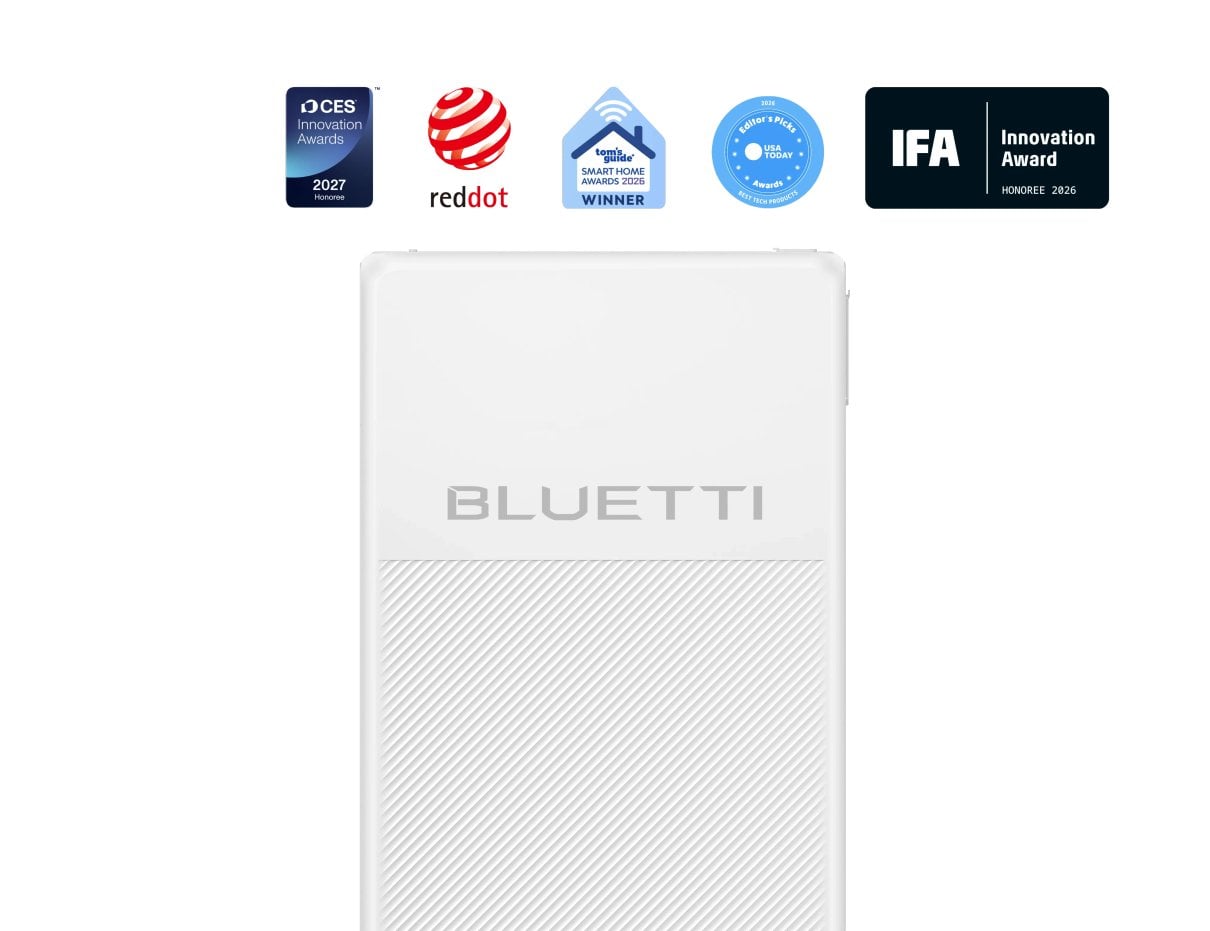
Share This Article
Portable power is easiest to understand when it starts with a real need: keep a refrigerator running during an outage, charge devices at camp, or bring more capacity into an RV. BLUETTI builds products around those different jobs, from compact power stations to solar kits and home backup equipment. Its Canadian store presents the range by both product family and scenario, which gives a new reader more than one way to find a starting point.
The useful question is not simply which station has the biggest capacity. It is which combination of output, stored energy, portability and expansion options matches the appliances or devices you plan to run. Looking at the Canadian product pages, we can see a system-led range: portable units, solar panels, batteries, chargers and more dedicated backup products.
Some links in this article are affiliate links: if you make a purchase through them, we may receive a small commission.
Before you read on
- BLUETTI groups products by scale and setting, including home backup, RV travel and camping.
- FridgePower is a focused refrigerator-backup product, while the Elite stations cover broader portable-power needs.
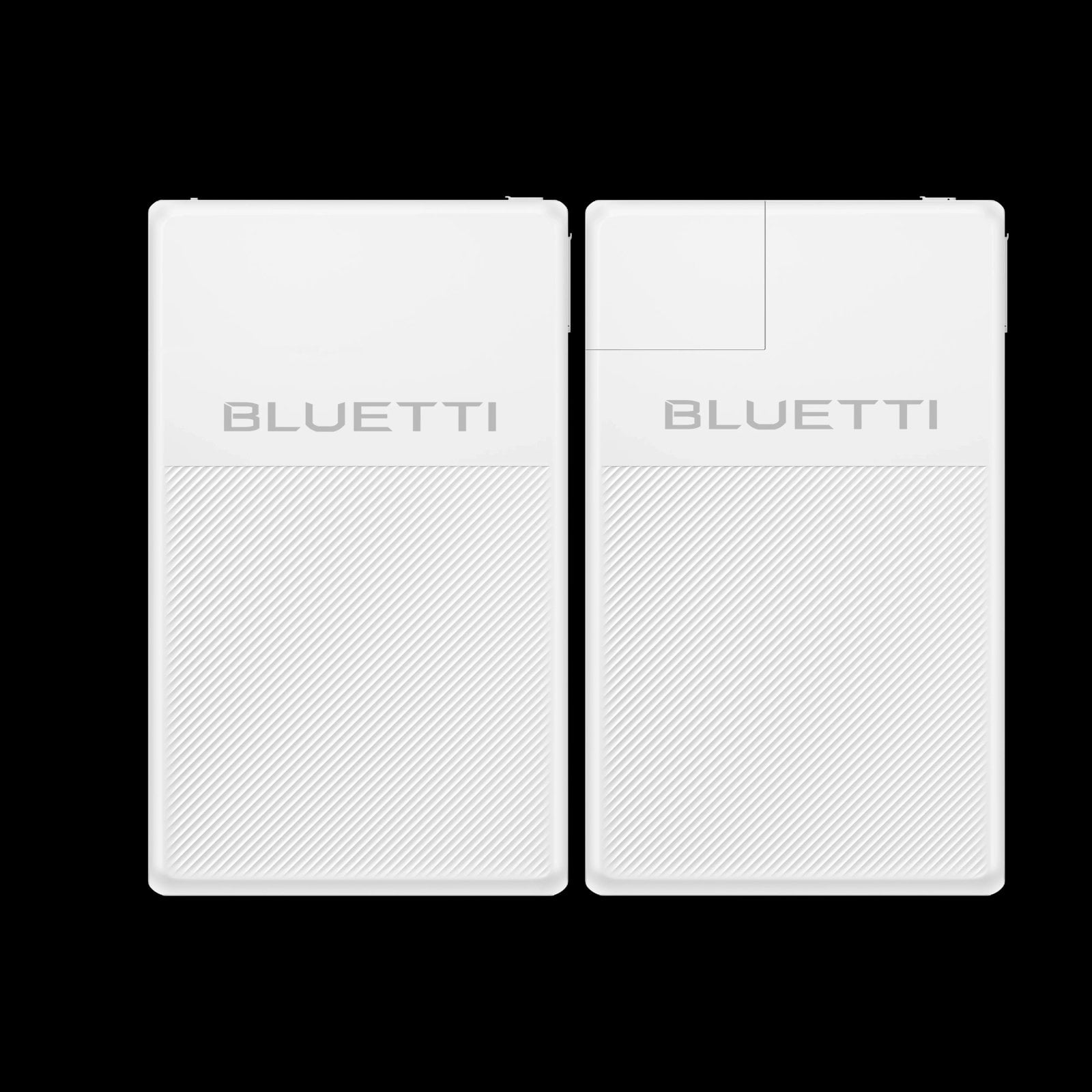
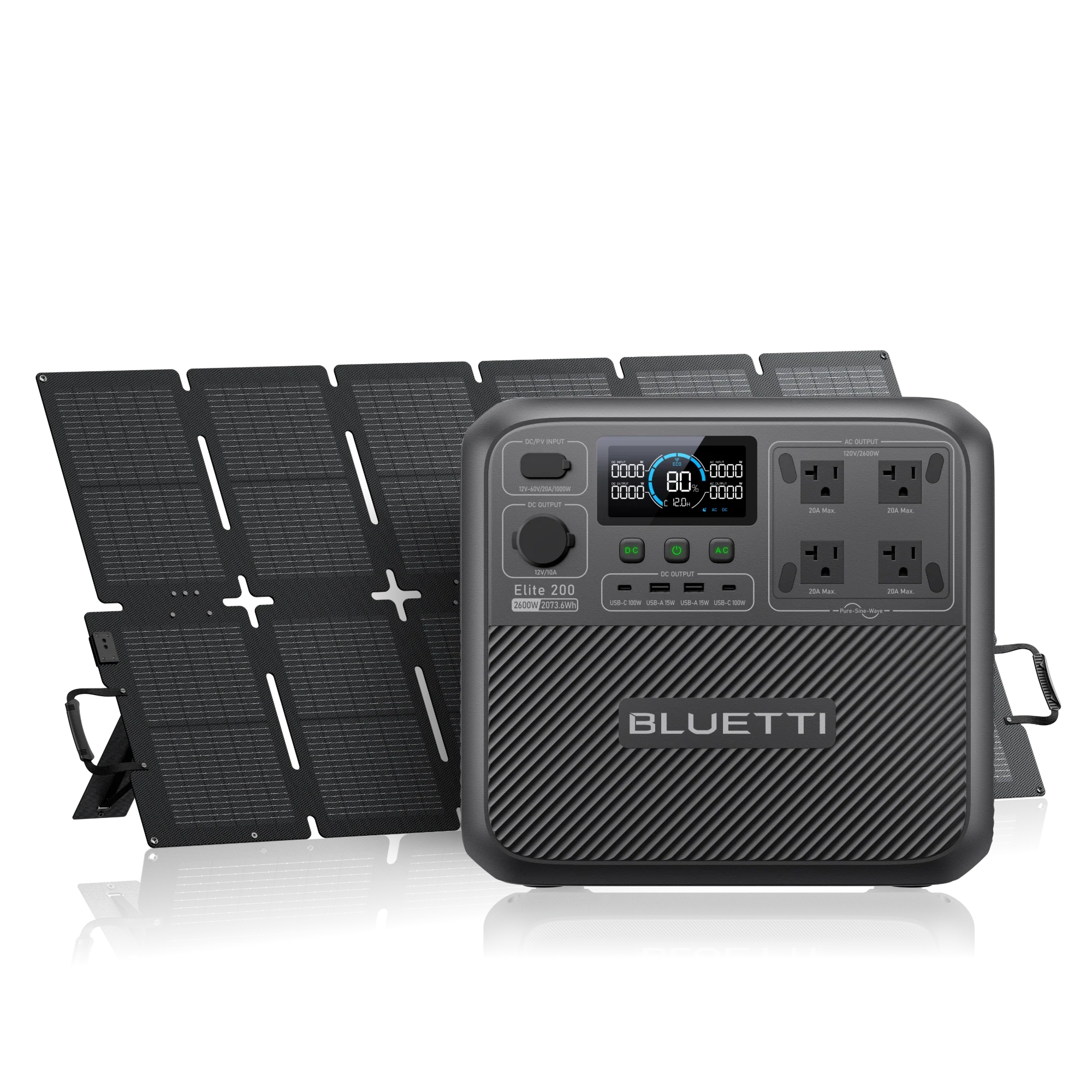
- The Canadian store lists the Elite 100 mini at 1,004.8Wh and 700W, and the Elite 200 V2 at 2,073.6Wh and 2,600W.
- Solar input and expansion can add flexibility, but compatibility and your expected load should guide a purchase.
BLUETTI connects portable power with specific jobs
The brand’s catalogue spans familiar portable power stations and more specialized equipment. Its Canadian site groups stations into Elite and Apex families, while scenario paths cover home backup, RV power, camping and off-grid living. That structure matters: it helps readers begin with the situation, then compare the capacity and output that situation may call for. The BLUETTI portable power collection and home backup range show those distinct routes.
There is also an ecosystem around the main unit. The store lists solar panels, expansion battery packs, alternator chargers and accessories alongside generators and stations. In practical terms, this can make a setup more adaptable, though system components are not automatically interchangeable. Before choosing a solar generator kit or expansion battery, check the product page for compatible models, connection requirements and the inputs the system supports.
FridgePower narrows the problem to refrigerator backup
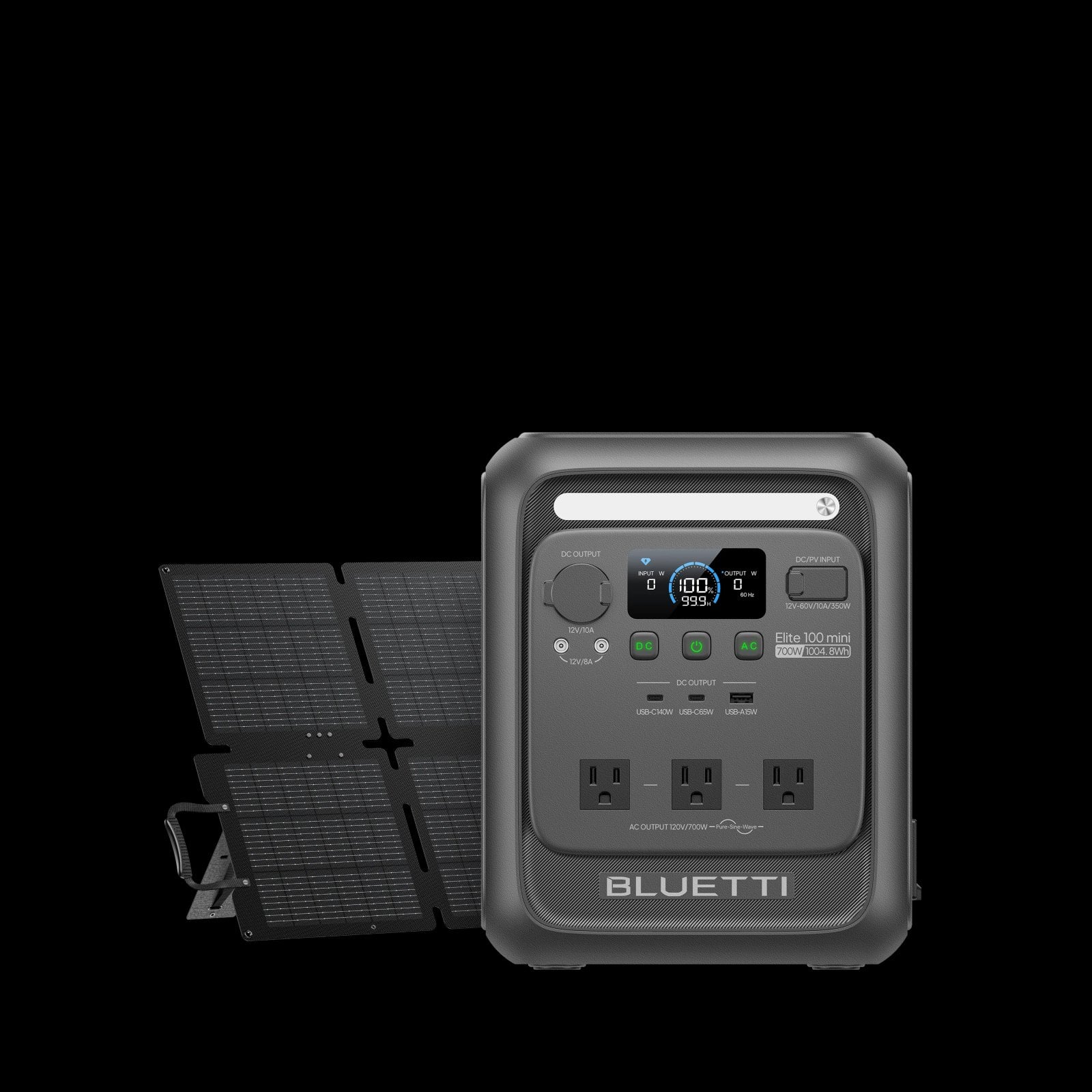
A broad power station can serve several devices; FridgePower is framed around one critical household load. The Canadian product page positions it as a battery backup for a refrigerator, making it a more focused place to begin for someone whose priority is keeping food cold when mains power is interrupted. The product image and listing for FridgePower make the intended use clear.
That focus is its strength and its boundary. A refrigerator’s demand varies by model, temperature, use and outage length, so a reader should not assume that any backup unit will sustain every appliance for the same period. Check the appliance’s power information and the store’s stated compatibility and runtime guidance. If you need to keep several household circuits running, compare a broader home backup solution instead of treating a refrigerator unit as whole-home coverage.
Elite stations scale from everyday carry to a larger reserve
For mobile use, Elite 100 mini sits in a middle ground: BLUETTI lists 1,004.8Wh capacity and 700W output. The combination suggests a station for multiple device charges and selected small appliances, with the usual caveat that runtime depends on the connected load. The product page for Elite 100 mini gives the port and operating details worth checking against your own gear.
The Elite 200 V2 steps up to 2,073.6Wh and 2,600W according to the Canadian store. That higher tier can support a wider range of devices and longer use between charging opportunities, while adding size and weight considerations compared with a smaller station. Readers can review Elite 200 V2 and its listed charging options, including whether a compatible panel suits their typical setting.
Accessories turn a station into a planned setup
BLUETTI’s range is easiest to assess as a collection of choices around a core battery. A panel may support recharging when wall power is unavailable; an alternator charger can suit road travel; an expansion battery can increase stored energy for supported systems. The SORA panel options, Charger 1 and Charger 2 are distinct paths, and shoppers should confirm the relevant station pairing before adding equipment.
This ecosystem approach rewards a little planning. Write down the devices you expect to run, their wattage where available, and how long they need to stay on. Then consider whether recharging will come from an outlet, a vehicle or sunlight. A portable station may be enough for short trips, while solar charging or a larger battery setup may be relevant for longer stays away from a wall socket.
A first choice should follow the load, not the product family
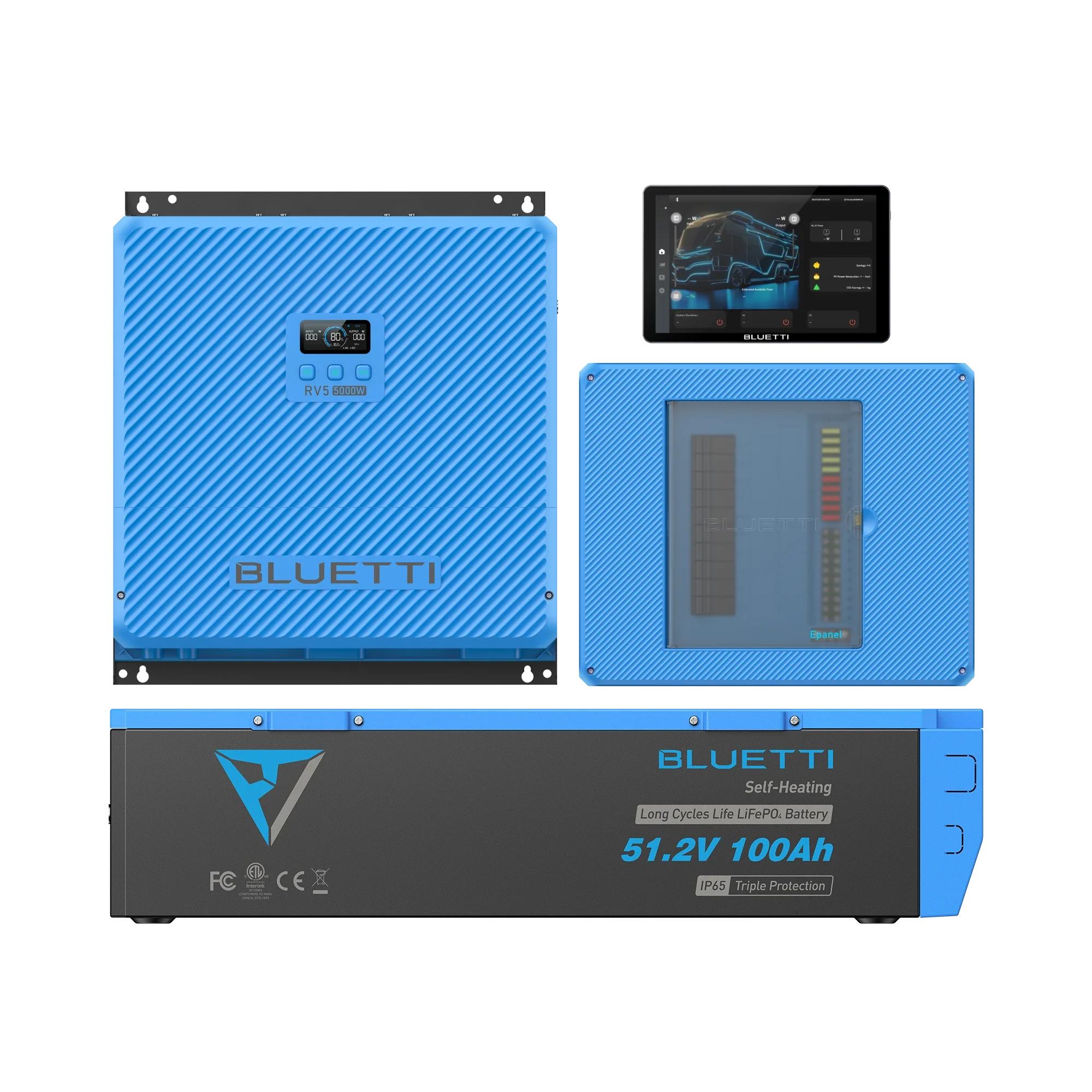
A useful first pass is to map each need to a type of product. This keeps a brand’s many models from becoming a spec-sheet exercise before the reader knows what matters. Start with the most important load, then check output, energy capacity and charging method on the relevant Canadian pages.
- For one refrigerator during outages, begin with FridgePower and verify the appliance and runtime fit.
- For portable charging and selected small devices, look at Elite 100 mini and compare its output with the equipment list.
- For a larger mobile reserve, consider Elite 200 V2 and account for carrying weight and recharge time.
- For RV or longer off-grid use, examine compatible solar and vehicle charging components as a complete setup.
Ready to explore BLUETTI’s power range?
Our recommendation is to choose by the job first: refrigerator backup, portable device power, or a more substantial RV or home setup. Then use the Canadian product pages to confirm output, capacity, compatible accessories and current price for the specific configuration. This makes BLUETTI’s broad range easier to navigate and reduces the chance of paying for capacity or components you do not need.
One limitation is that product-page specifications cannot predict your exact runtime without knowing the connected load and conditions. Treat capacity as a planning input, check appliance requirements, and verify compatibility before combining products. For a first-time reader, FridgePower is the clearest specialized option, while the Elite stations suit people who need power across more than one setting.
Start with the load you need to cover, then choose the BLUETTI station and compatible charging options around it.

