


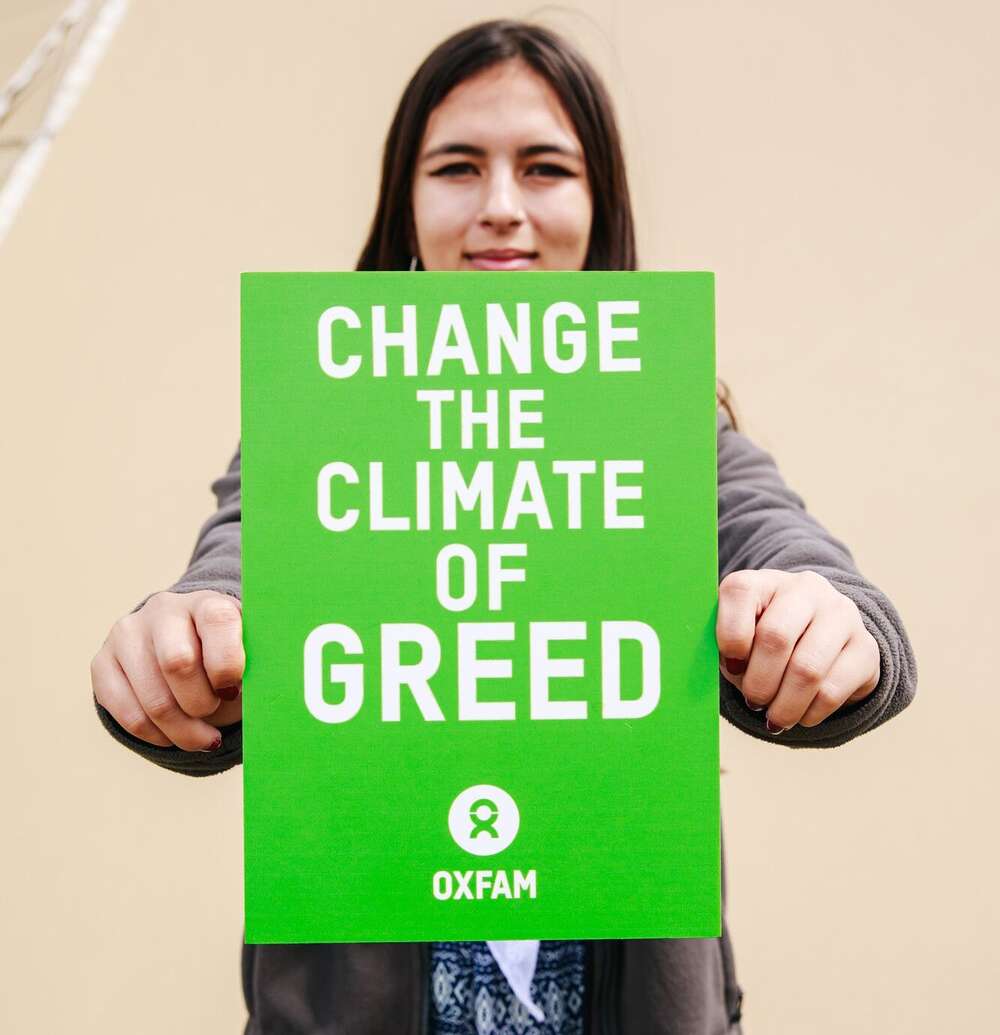
Share This Article
The increasing effects of heatwaves, floods and storms have become too difficult to ignore. In different parts of the world, families are losing their houses to floods or their farms to dust caused by droughts. These transformations are not far off future considerations and fears, but current realities that are defining lives and livelihoods of millions of people. The catastrophic consequences of a climate system falling out of control underscore the need to adapt, as well as to demand action on the part of those who are perpetrating the crisis.
What is unfortunate about this evolving tale is, it is the people who contribute the least to global emissions, who are experiencing the most severe effects. Some of the most vulnerable groups include farmers in arid areas, small island populations and low-income families in cities at risk of floods. It is this disparity that leads to the most crucial question- what does justice in a warming world look like? Combating the climate crisis needs to be accompanied by combating inequality, so that no community, however small, has the resources to survive and flourish in an uncertain future.
Understanding the Climate Reality
Climate change is not only the environmental problem, it is the human problem. Its impact is shaking food systems, displacing families, and undermining economies the world over. The first step of resilience building is the recognition of its impact.
Key Realities to Keep in Mind:
- Extreme weather is worsening, hitting vulnerable populations hardest.
- Communities are developing innovative strategies to adapt and survive.
- True change requires accountability from wealthier nations and industries.
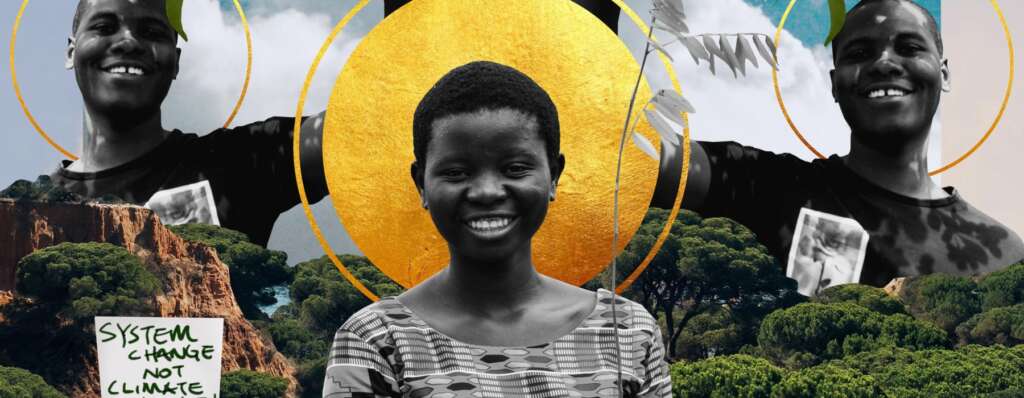
Who is OXFAM?
OXFAM is a movement worldwide focused on empowering people to address poverty and inequality, by addressing the causes that keep people down. It believes in a better, less-harmful future and collaborates with local partners and volunteers to see that no voice is ignored in the battle against climate change. OXFAM enables communities to be resilient in the face of adversity through grassroots campaigns and international pressure, and also holds those in power accountable to their roles.
Building a Better Tomorrow: What Makes These Solutions Stand Out
The promoted strategies focus not only on survival, but also on dignity, empowerment, and sustainability. These efforts are not meant to provide a short-term fix but instead to provide avenues of long-term change, giving people skills and equipment to survive under climate uncertainty.
Distinctive Strengths:
- Locally driven approaches tailored to community needs.
- Innovative methods such as drought-resistant crops and greenhouses.
- Strong emphasis on accountability from global powers.
- Focus on sustainable livelihoods, not just emergency aid.
- Integration of social justice with environmental justice.
These solutions stand out because they go beyond treating symptoms. They work toward addressing inequality, climate vulnerability, and sustainability simultaneously. Choosing this approach means supporting a vision where fairness and resilience walk hand in hand. Let’s now explore these initiatives more deeply to see why they matter and how they bring hope to millions.
Seeds at a seedbank in Zimbabwe
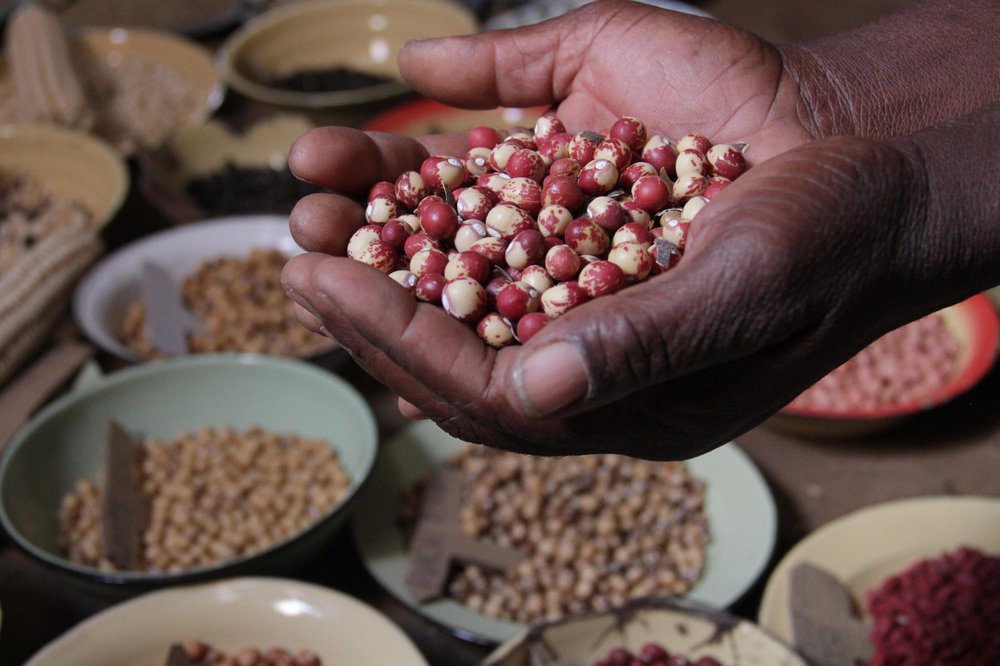
The seeds in a seedbank in Zimbabwe are an incremental milestone in the protection of food security against climatic uncertainties. The seedbanks conserve the indigenous varieties and also introduce new drought-resistant varieties, which allow farmers to adjust their planting techniques based on changing climate conditions. These seeds are not only crops, but lifelines in areas where agriculture is at risk due to long dry spells. Farmers get the strength to survive the unpredictable weather, and save their lives.
There are also some cultural implications around the preservation of seeds which guarantee that societies have access to both traditional farming knowledge and current methods. These projects promote self-reliance locally, eliminating reliance on expensive imports besides ensuring food security. By so doing, they will create economic strength and ecological stability, making farming viable to future generations.
Support sustainable farming by embracing climate-resilient solutions today!
Irrigation for the future
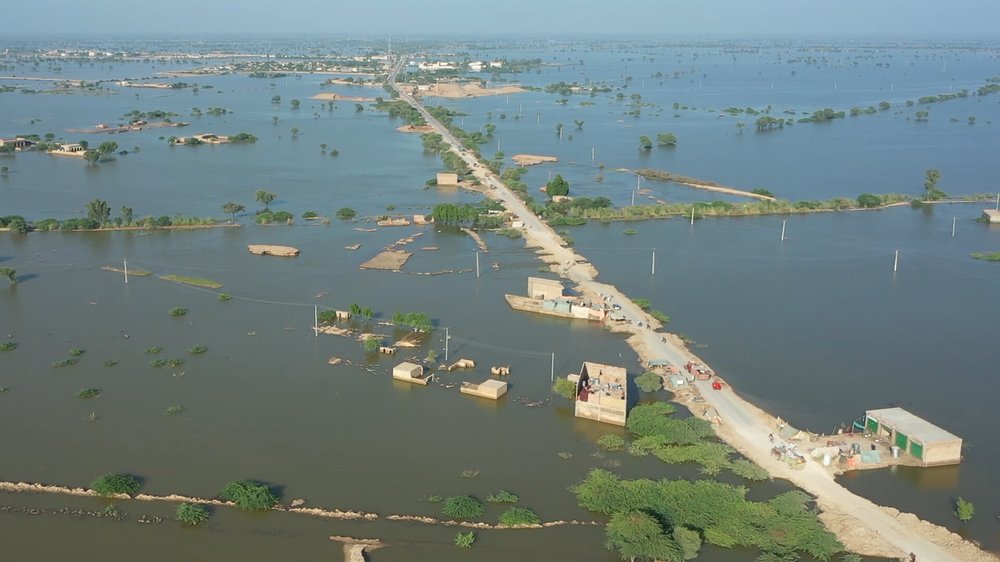
Future irrigation illustrates how societies can insure harvests against the unpredictable impacts of global warming. Reinforced irrigation systems and gabions have also come in handy in areas such as Nyanyadzi where agriculture is threatened by floods and droughts. These dams are used not only to replenish irrigation systems, but also to protect fields against erosion, ensuring the survival of farming families.
This futuristic adaptation will lead to better management of water resources that will minimize wastage and maximize crop production. Stability is also a plus to farmers because certain irrigation systems are reliable; farmers no longer risk losing whole seasons to extreme weather owing to unreliable irrigation. These innovations emphasize the strength of integrating the best of the past and present engineering to cushion livelihoods against the vagaries of the future.
Invest in climate-smart solutions that protect farming futures!
Stories that Inspire Action
Societies on various continents are showing that resilience can be achieved when innovation is matched with determination. Starting with women organizations in Nepal organizing to assist smallholder farmers, it is evident now, that real change begins at a community level, and youth activists in Nigeria organizing to seek accountability. They illustrate how climate action is interconnected, so what occurs in one region of the world will be felt elsewhere in the world.
The unity born by global campaigns is also significant, as it serves to remind everyone that accountability is important. Corporations and industrialized countries have to stop being the owners of the emissions they cause and the people they disturb. If inequality is not addressed by making justice core to climate action, it will only increase.
A Shared Vision for the Future
The struggle against climate change is also a struggle against justice, dignity and human rights. Although extreme weather keeps posing a threat to the vulnerable populations, there are solutions that not only help in saving lives but also empowering people. Strengthening seed systems, rebuilding water infrastructure, and mobilizing people with the demand to hold them accountable are viable measures with a strong impact.
Meanwhile, climate justice is not simply a matter of adaptation. It needs a change in priorities in the world, people and the planet first, not profit. It is possible to shift the world towards a fairer and livable place by pushing governments and industries to act boldly and by supporting grassroots resilience.
Toward a Fairer, Liveable Future
Climate change is the problem of the time but also the chance to rebuild a more equitable and sustainable world. There is already evidence of resilience and innovation existing together in communities in all parts of the world. By their boldness, we are reminded that even the struggle to survive may be a struggle to fight injustice.
The fact that vulnerable communities are disproportionately affected makes it clear that the world should be held to account. More advanced countries and industries should give their fair share and decrease emissions but financially and technically assist those who are on the frontline. Solutions will never be complete without equity.
Most importantly, we see a future where all people can afford not only to survive climate shocks but also to flourish in a world where people and the planet co-exist with each other. To do it, it takes joint effort, daring, and unimpeachable unity. We can create a more sustainable future, which is more equitable, together.
Take a stand for climate justice—act now for a fairer, liveable tomorrow!

