


Share This Article
Severe weather patterns are no longer long term warnings but the new reality being experienced by millions of people in the world. It does not matter whether it is the devastating floods in South Asia or periods of drought in East Africa, the changing climate is setting new terms of life, economies and communities. These changes also impact individuals that have contributed the least to carbon emission and hence resilience and adaptation is needed, not only required but urgent. With each heatwave, cyclone or flood, livelihoods, food security and access to clean water is under threat and needs a new set of solutions that will be resilient to future uncertainties.
The societies across the globe are seeking adaptation, innovation and future security. By individuals following sustainable trends and community led practices, communities are protecting their land, crops and houses and ensuring that their children have a world which can still prosper. Knowledge sharing, availability of resources as well as interventions at the opportune moment have emerged as some of the most important aspects in the empowerment of communities to deal with climate challenges. Climate justice is not an environmental situation, it is an equity and survival and long-term prosperity quest.
Understanding the Impact of Climate Change
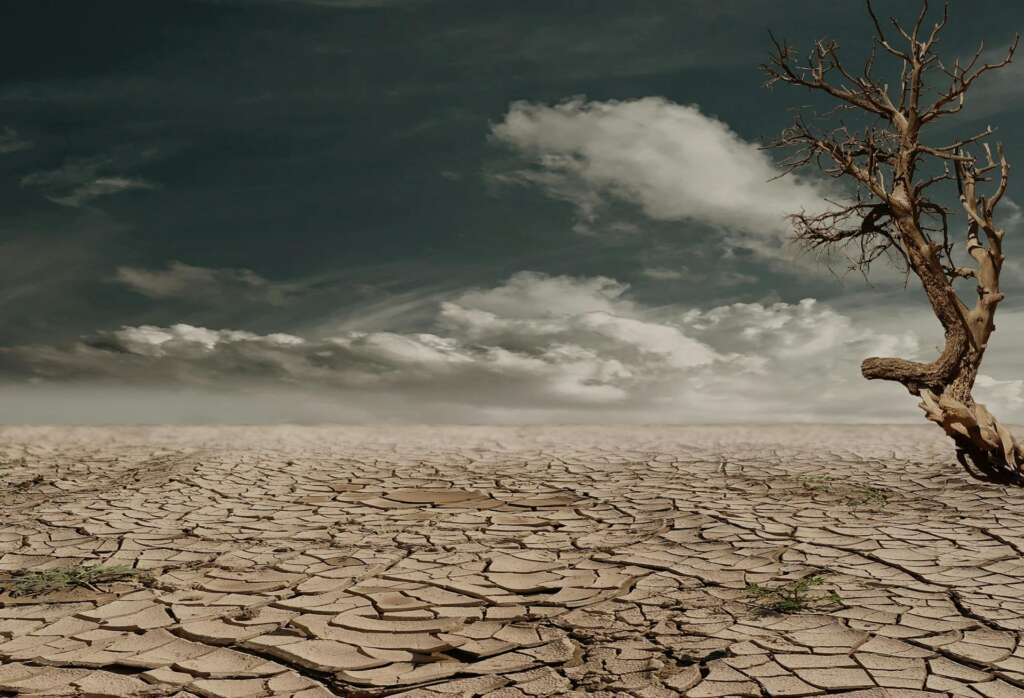
The effects of climate change are both immediate and long-term, affecting daily life and future stability. Rising temperatures, erratic rainfall, and stronger storms are eroding infrastructure, displacing families, and threatening food production. Low-income regions face the harshest consequences despite their minimal contribution to global emissions.
-
Communities are forced to rebuild homes destroyed by floods and cyclones.
-
Crops are increasingly vulnerable to drought, salinity, and soil degradation.
-
Water scarcity limits access to safe drinking water and irrigation for farming.
OXFAM has been at the forefront of providing aid, resources, and advocacy for communities most affected by climate change. By supporting local initiatives, OXFAM empowers people to adapt to environmental challenges and advocate for systemic change. Their approach prioritizes both immediate relief and long-term sustainability, ensuring that communities can thrive even in a rapidly changing climate.
Pioneering Sustainable Solutions
The uniqueness of the initiatives offered lies in their holistic approach to resilience. These solutions address multiple layers of vulnerability, from environmental risks to economic instability, and are tailored to specific local conditions. By combining technology, traditional knowledge, and community participation, they create practical, scalable outcomes that make a measurable difference.
-
Innovative agricultural techniques that improve crop resilience
-
Community-built infrastructure to withstand extreme weather
-
Access to clean water and renewable energy solutions
-
Education and training for sustainable livelihoods
-
Advocacy programs ensuring accountability from powerful entities
These interventions were chosen for their effectiveness and adaptability, allowing communities to maintain productivity while preparing for future risks. Each initiative is designed to provide tangible benefits immediately and foster long-term security, ensuring that the solutions remain relevant as environmental conditions evolve.
Irrigation for the Future
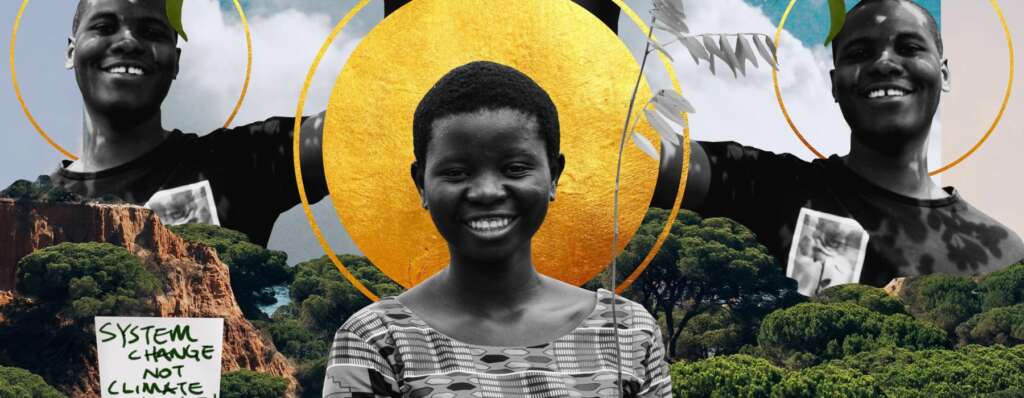
Changing climatic patterns have also interfered with the traditional forms of irrigation in areas such as Zimbabwe leaving the farmers exposed to crop failure in such areas. Building gabions and restoring irrigation channels, these communities are gaining control over their waterways, so fields can be fertile even in the case of unpredictable rainfalls. Reliable irrigation helps to maintain food security and economic sustainability that strengthens the capacity of households to cope with changing weather conditions.
Such interventions enhance the output of agriculture and increase community resilience by bringing together local insights and practical engineering. The farmers are able to plan and grow crops better and have less risk and confidence of success in the long-term agriculture.
-
Protects crops from flooding and soil erosion
-
Enhances water retention for dry periods
-
Strengthens community-managed irrigation systems
Take Action to Support Resilient Agriculture Now!
Cyclone Relief Initiatives
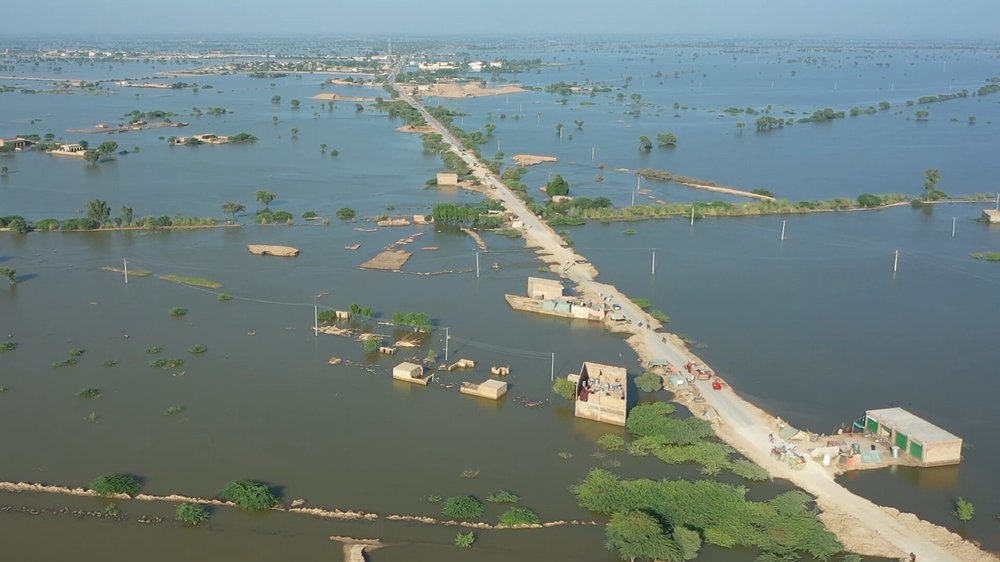
Bangladesh and India have been able to use proactive disaster management and preparedness programs in the cyclone prone areas. Neighborhood shelters were disinfected and equipped, the neighborhoods were equipped with the required relief materials, and the campaigns were carried out with less risks of post-cyclone diseases. These safeguards mitigated near-term destruction and gave a foundation of faster restoration and increased future capability.
Disaster planning before the disaster and disaster relief after the event were also strategic interventions and they made sure that the families were able to resume normal life as soon as possible. These programs reduce the economical and social disasters expenses and provide the communities with the means of adaptation to the weather, which is now more unpredictable.
-
Provides access to clean water, food, and hygiene kits
-
Offers temporary shelter and emergency supplies
-
Reduces disease transmission following extreme weather
Join Efforts to Protect Vulnerable Communities Today!
Drought Resilience Programs

Long droughts have led to the loss of livestock and caused shortages of local food in places such as Wajir, Kenya. Efforts aimed at drought resistant seeds, community water management and alternative livelihoods training are rebuilding livelihoods of families. These programs allow agricultural diversification and the preservation of resources, thus providing stability even in some extreme conditions.
Communities are assisted to make informed water consumption, crop and livestock decisions through training and support. Such proactive action not only maintains livelihoods but also makes them long term resistant to recurrent droughts.
-
Introduces drought-resistant crops and seeds
-
Provides training for sustainable farming techniques
-
Improves water conservation and management
Support Communities Facing Drought Now!
Climate Awareness and Advocacy
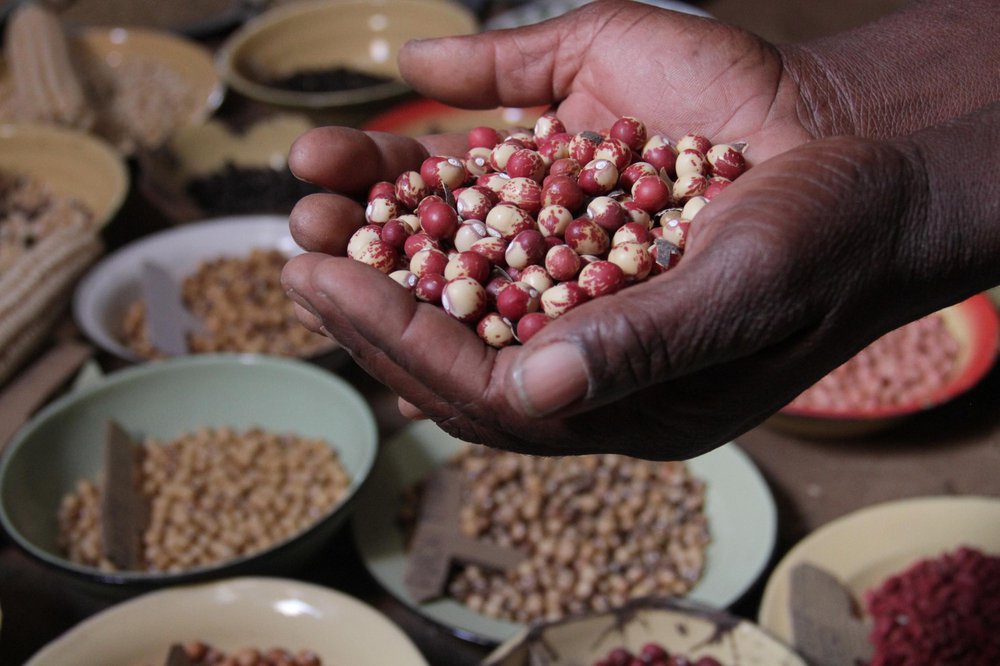
Advocacy and education are important to deal with the causes of climate change. Policymakers, industries, and global institutions are the target of campaigns that aim to promote fair policies, responsible behaviour, and huge decreases in carbon emissions. The involvement of the population will make climate action more inclusive and will provide all vulnerable groups with protection against excessive exposure.
Effective participation also encourages people to take up sustainable efforts in their day to day lives and this brings a ripple of environmental responsibility. The form of grassroots action coupled with international advocacy enables communities to gain a voice that is at the international platform.
Building a Resilient Future
Community-based adaptation is a process that needs coordination, sharing of knowledge and innovation. Education, infrastructure and support networks can enable families to more easily weather unpredictable weather events, safeguard their livelihood, and invest in their futures.
The fight against climate change is not only about averting the disasters but also establishing a situation in which people can live and prosper even with them. Sustainable long-term plans that consider sustainability and resilience together make the improvement sustainable and all inclusive.
Committing to Climate Justice
Every intervention, whether it is rebuilding irrigation systems, providing cyclone relief, or supporting drought resilience, contributes to climate justice. By addressing both immediate needs and systemic inequities, these programs ensure that the most vulnerable populations are not left behind in the fight against climate change.
Long-term sustainability is achieved by fostering local leadership, enhancing access to resources, and advocating for global accountability. When communities have the tools and support to thrive, the impact of climate change can be mitigated, paving the way for equitable growth and stability.
Taking Action for a Sustainable Tomorrow
Active participation in climate justice initiatives reinforces the collective responsibility to protect the planet. Ensuring access to resources, knowledge, and advocacy strengthens resilience while promoting fairness and opportunity for all. Supporting these programs helps secure a future where environmental hazards no longer dictate life outcomes.

