



Share This Article
Choosing plants online is less about finding an attractive photograph than working out whether the plant fits the space, soil and season you have. We reviewed the UK DutchGrown™ store and its product information to see how well it supports that decision, and where a gardener still needs to do their own checks.
The pages reviewed cover bulbs and flowering plants as well as perennials, and several describe flower form, flowering period and garden use. That gives a useful starting point, although detail is not identical on every listing we reviewed.
Some links in this article are affiliate links: if you make a purchase through them, we may receive a small commission.
Before you read on
- Range is the main advantage: seasonal bulbs sit alongside perennials and plants selected for different garden settings.
- Descriptions can be practical: listings such as Hosta Red Ninja and Dahlia Waltzing Mathilda add cultivar-level traits beyond colour.
- Plant fit remains your job: shade, moisture, mature scale and local conditions still need checking against your own plot.
- Best suited to planners: gardeners comparing named varieties will get more from the catalogue than anyone looking for a fully designed planting plan.
The UK catalogue gives gardeners more than one planting season
The store is organised around seasonal buying, which is useful if a garden plan spans the year rather than a single burst of spring colour. Autumn-planted bulbs appear alongside spring-planted choices, while perennial pages broaden the selection beyond bulbs. The breadth we saw helps with browsing, but it also means the customer must narrow the field by planting time and garden conditions. Browsing the autumn-planted bulbs alongside later-flowering choices is useful only when the timing fits the actual project.
For example, a page for Astrantia White Button describes its white pincushion centres, papery bracts, summer flowering and suitability for borders and woodland-style planting. That is more decision-useful than a colour label alone. The listing also mentions cut flower use, which helps a gardener decide whether the plant could serve both border and vase.
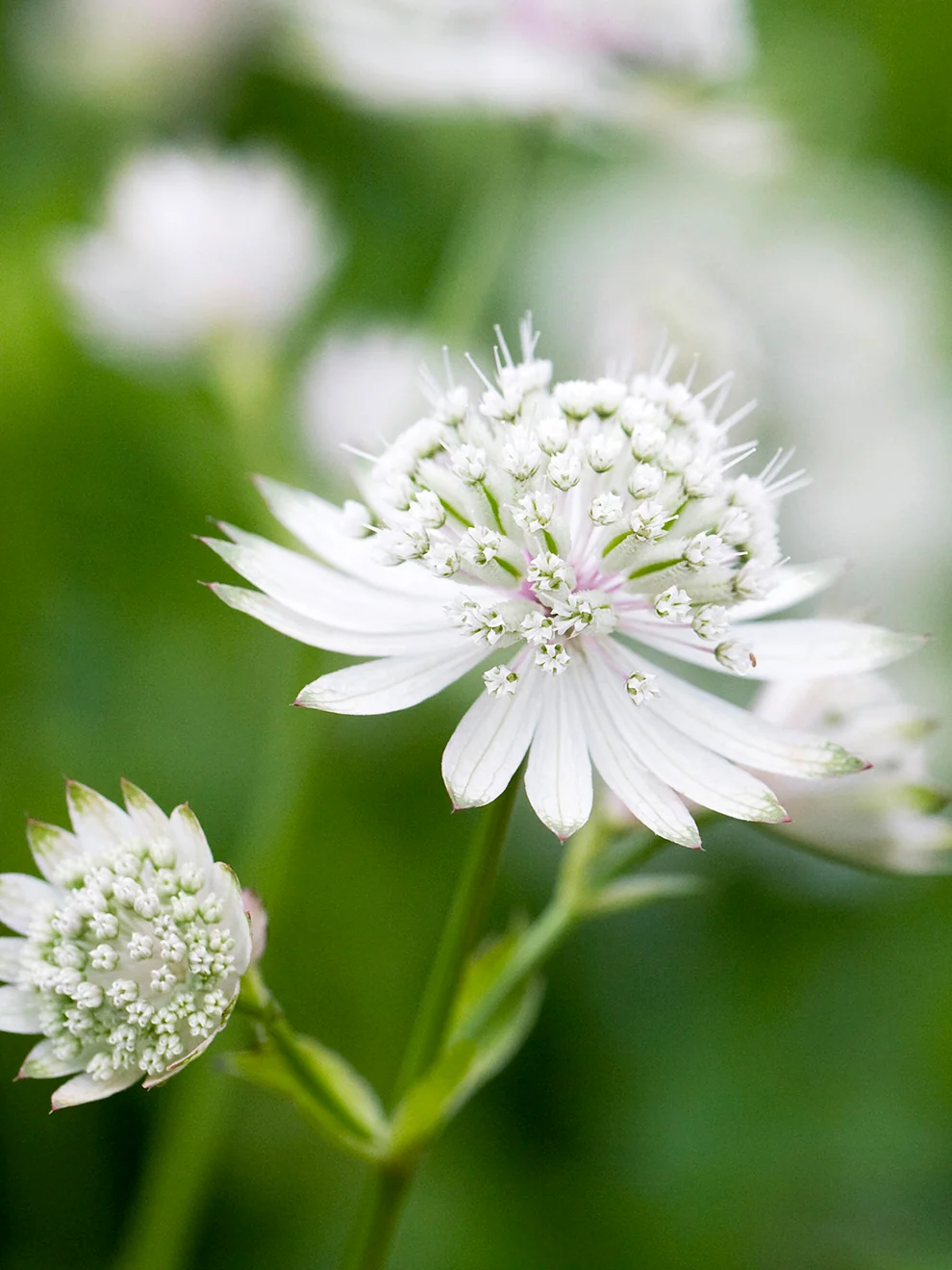
For a gardener planning a mixed border, being able to compare flower form, season and scale on one store is a practical advantage. It can reduce the need to browse several unrelated catalogues before forming a shortlist. The caveat is that category breadth is not the same as a complete scheme. A wide selection gives a gardener options, but the site does not tell every buyer how many plants to combine, how to balance neighbouring heights, or whether a particular soil will suit a chosen variety. From the pages reviewed, the catalogue works best when you already have a rough plan.
Plant pages are strongest when they explain form and setting
The clearest listings distinguish a cultivar by traits that affect placement that affect placement. Hosta Red Ninja is described by its red leaf stems and green foliage, with the product page noting the plant’s tolerance for more sun than many hostas. That detail creates a useful point of comparison for a gardener weighing a shady border against a brighter spot. The linked Hosta Red Ninja listing also gives the variety a clear identity within a crowded hosta category. We would still confirm the actual exposure and moisture needs before ordering.
On Dahlia Waltzing Mathilda, the store describes single flowers with an open golden centre, warm shades that can shift between coral, peach and pink, and dark foliage. It also gives a mature height range and notes its use in borders and containers. The practical value is in those combined traits: a gardener can judge both colour and scale, rather than choosing from a bloom image alone. Its open flower centre also makes the pollinator note easier to understand in context. A linked Waltzing Mathilda page is a helpful next check for the live product information.
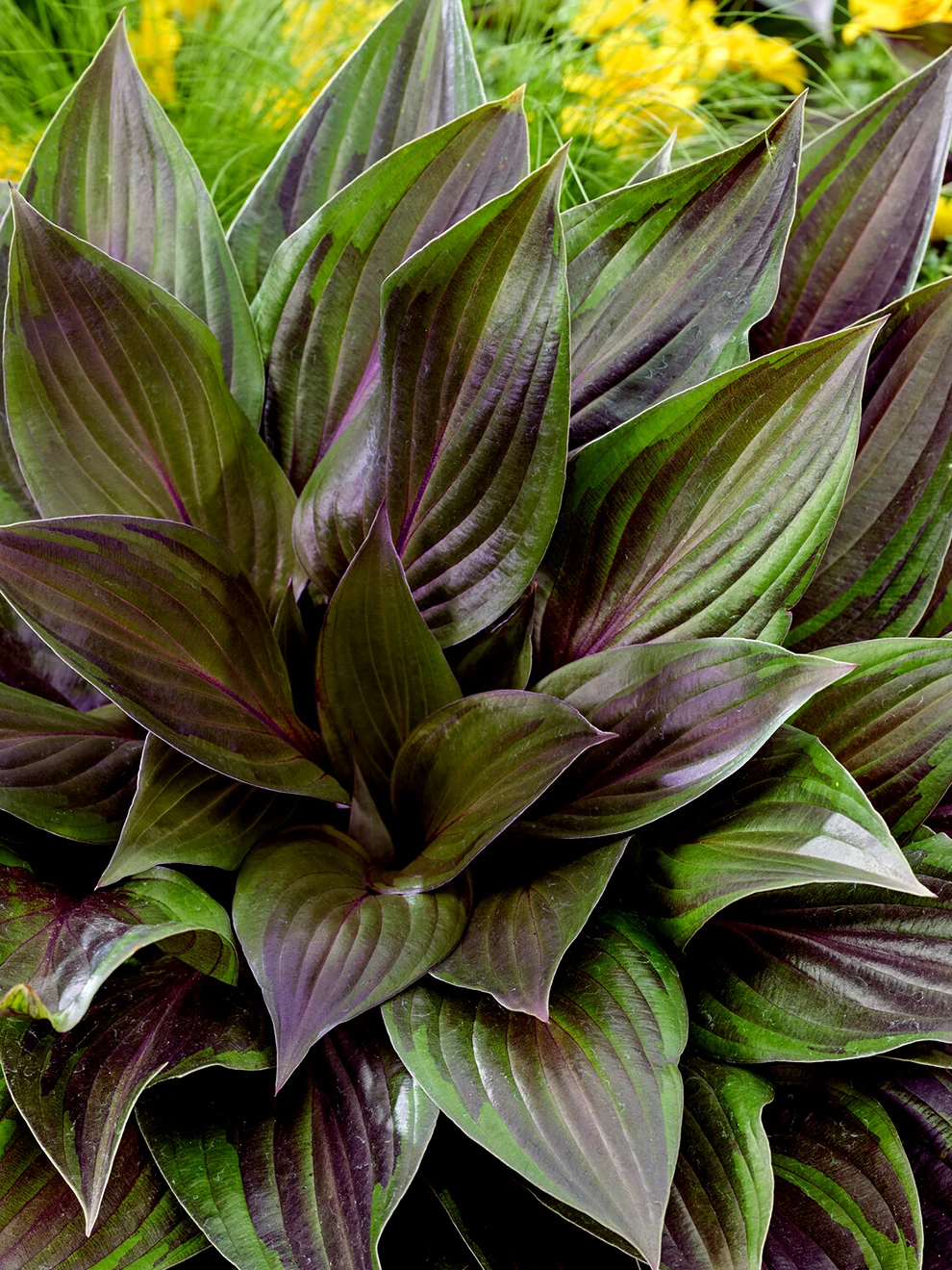
This descriptive approach is a genuine strength, especially for shoppers comparing named plants rather than shopping by broad category. Product descriptions may also mention pollinator interest or cut flower value. We found that detail especially useful when deciding between plants for a mixed border and a more targeted planting for cutting. Those are useful cues, but they remain seller-provided guidance, not a guarantee of how a plant will perform in a specific garden.
The range rewards a shortlist more than impulse browsing
A product such as Peony Quitzin illustrates why the extra detail matters. DutchGrown describes its double flowers as opening through green-yellow, cream and pale butter tones, with the colour changing as the buds open. The listing gives an expected mature height and places its flowering late in the peony season. Those are concrete reasons to consider it for a border, but the unusual colour may not fit every planting palette. Its late peony season could extend interest, while the layered shades may call for quieter neighbours. Readers can compare it with the Quitzin product page before deciding whether that palette works.
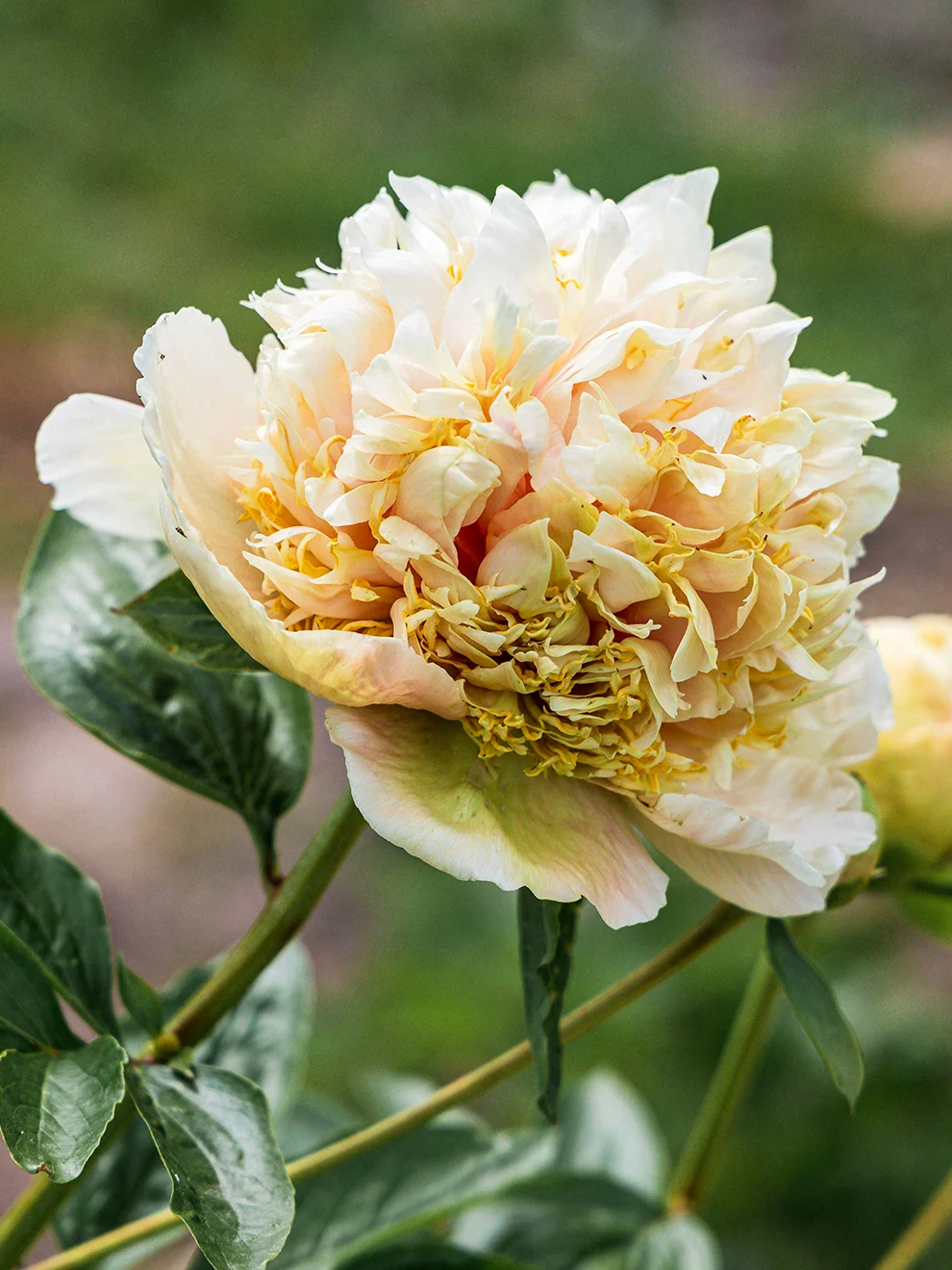
There is a trade-off in a varied catalogue: comparison takes effort. Product pages are not all equally detailed, and even a helpful description cannot settle questions about drainage, wind exposure, local frost or how much room a mature clump will have. We recommend opening several relevant listings and recording the conditions and dimensions before settling on one.
- Start with the site’s perennial selection and filter by the garden job you need to fill.
- Check flowering period, mature height and spread, light and moisture notes against the planting spot.
- Compare two or three named cultivars before choosing on colour or flower form.
- Revisit the individual product pages to confirm the live listing and current availability before deciding.
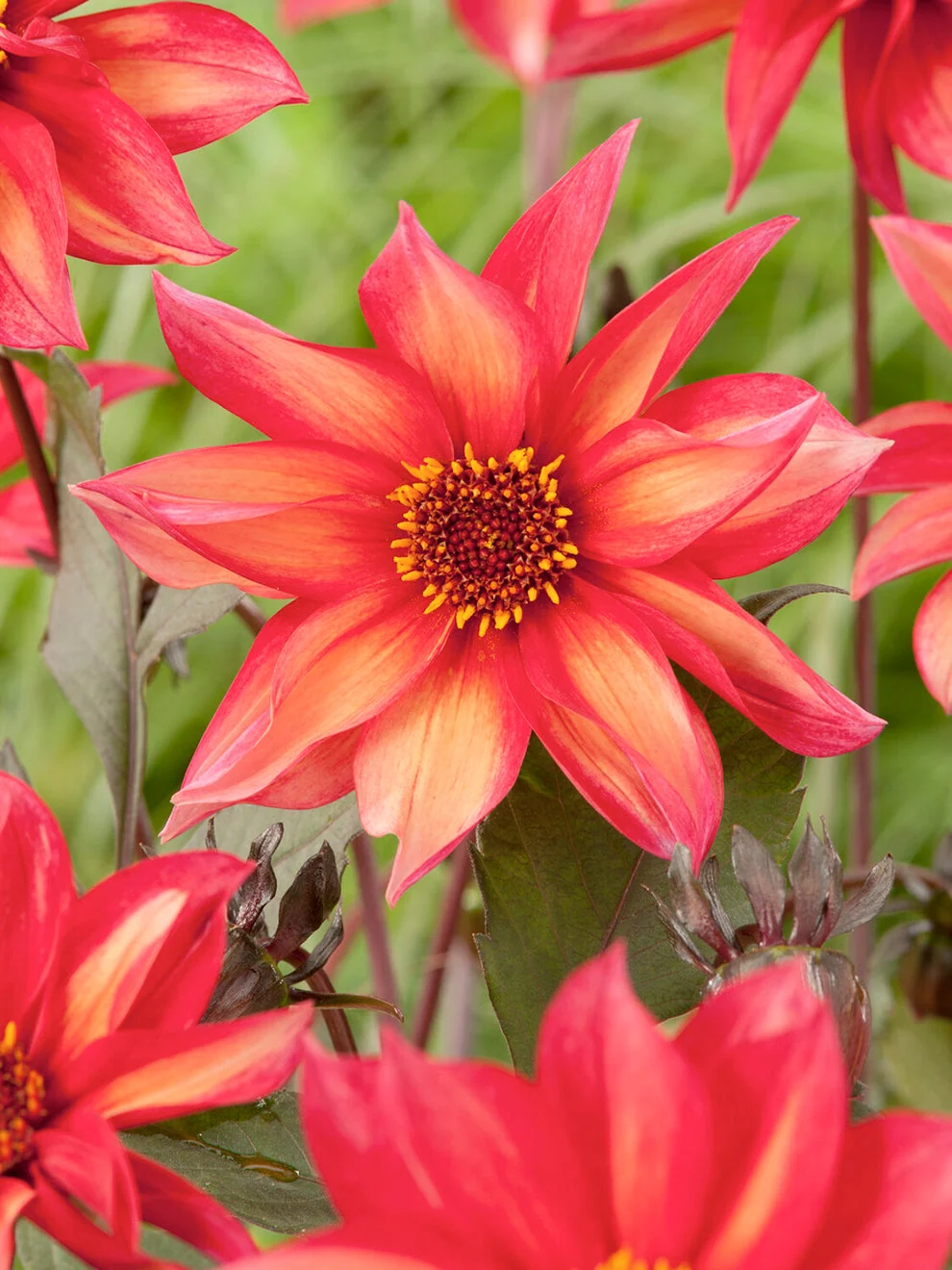
DutchGrown suits gardeners who want choice and can verify fit
Our review finds a useful UK catalogue with its strongest value in named variety choice and descriptions that sometimes connect appearance to season, scale and placement. It suits gardeners who enjoy comparing plant options and are comfortable checking the remaining horticultural details for themselves. The store’s own product pages are the sensible place to confirm what is currently listed. A final check of current plant options also lets you see which varieties remain available for your intended season.
The limit is important: a detailed listing is not an individual planting consultation, and a large range can make the final decision harder if you have no shortlist criteria. Before choosing, compare the plant’s stated conditions with your garden and ask a local specialist if a site-specific question remains. Checking the selected cultivar details is a small step that can prevent a mismatch between the picture and the planting place.
Ready to shortlist plants for your garden?
We recommend DutchGrown™ for gardeners who value cultivar choice and are prepared to match each listing to their own conditions. Start with plants whose height, season and setting are clearly described, such as Astrantia White Button or Dahlia Waltzing Mathilda; treat the catalogue as a selection tool, not a substitute for checking your soil and exposure.
DutchGrown™ is worth considering for planned plant purchases when you are willing to verify each variety’s fit for your garden.

