


Share This Article
Choosing dahlias is less about finding one universally best flower and more about matching shape, colour and scale to the place you have. DutchGrown™ offers a wide range of named tubers, and its product pages describe individual varieties in enough detail to make that first filter useful.
We reviewed the UK store’s product information rather than growing or handling the plants. The range’s clearest strength is variety; its practical limitation is that dahlias still call for seasonal planning and care after the tuber arrives.
Some links in this article are affiliate links: if you make a purchase through them, we may receive a small commission.
Before you read on
- DutchGrown™ lists named dahlias with descriptions of flower form, colour and garden use.
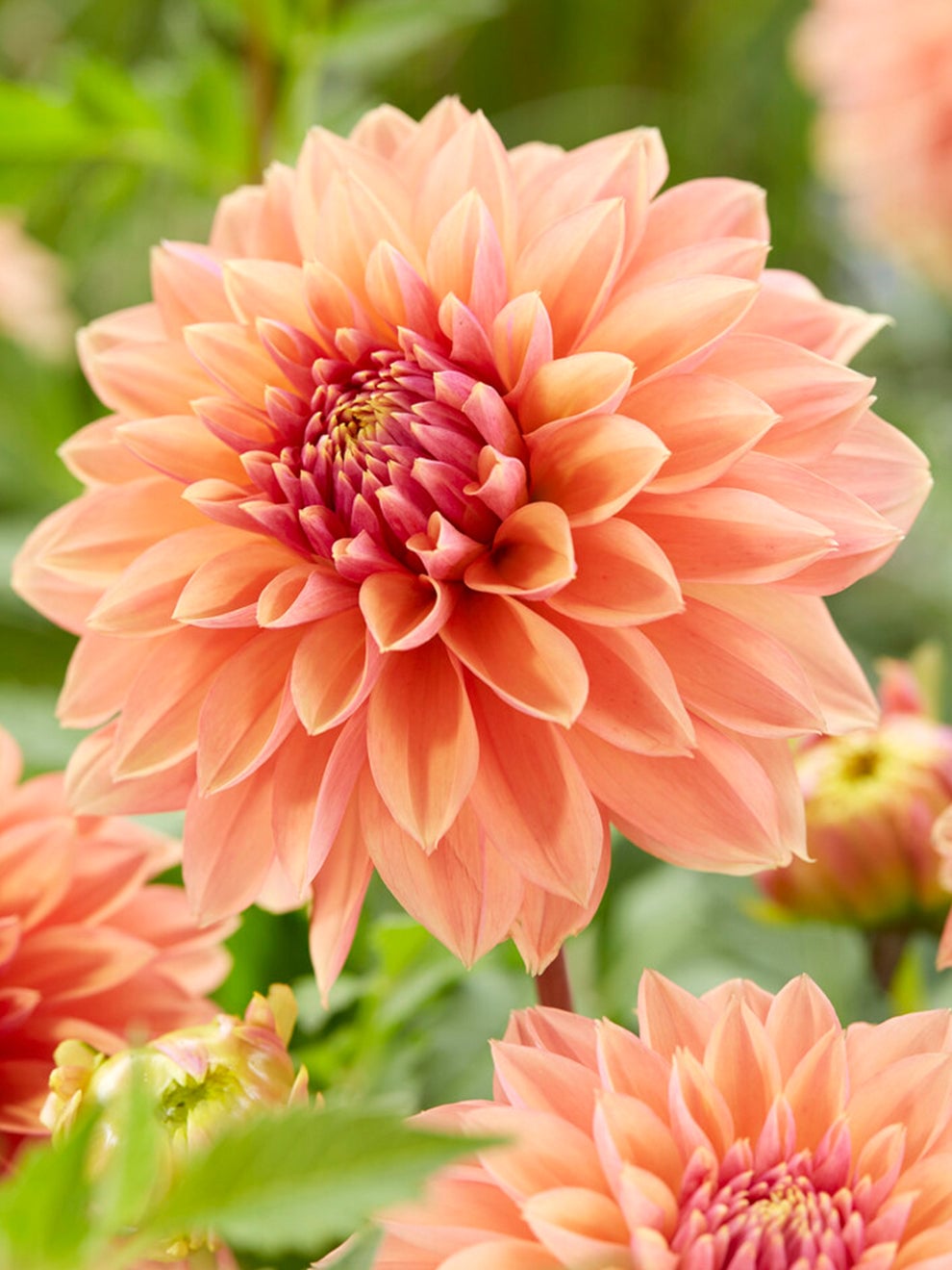
- Kick Off brings salmon and copper tones on an upright plant described at roughly 90-110 cm.
- Zippity Do Da is a pompon type with small, rounded flowers and a long stated flowering window.
- Tsuki-Yori-No-Shisha offers tall, open white flowers rather than a dense rounded head.
DutchGrown makes variety the main strength
The UK catalogue works well for gardeners who already have a colour or flower shape in mind. Instead of treating a dahlia as a generic tuber, the store presents individual names and descriptions, so a reader can compare a compact pompon with an open single or a large decorative bloom. Product pages also point to intended uses such as borders and cut flowers.
That detail gives browsing a useful starting point: Dahlia Kick Off is described in warm salmon, copper and yellow tones, with upright stems and a listed height around 90-110 cm. Those specifics make it easier to imagine it in a border than a bare colour label would. Readers wanting another look at the variety can open its product page and check the current availability and planting notes.
The trade-off is choice overload. A large list helps when you have a plan, but it does not replace one. Before selecting, decide whether you want a strong focal bloom, a flower for cutting, a softer filler or a shape that attracts pollinators. Then use the variety descriptions to narrow the field. Specificity is useful when it supports a decision; without a bed size or palette in mind, the same breadth can slow one down.
Three flower forms point to different garden jobs
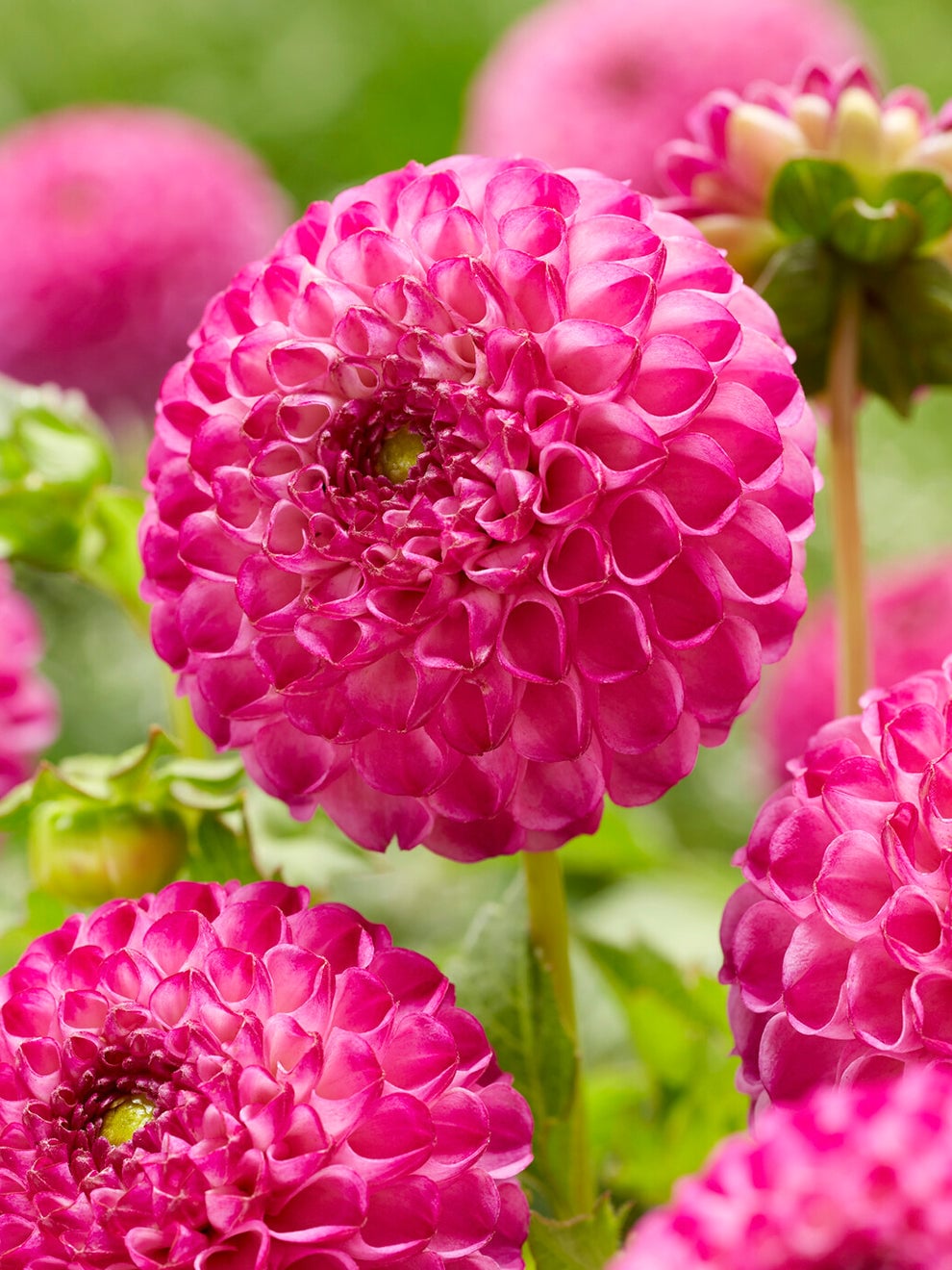
Consider Dahlia Zippity Do Da for a more structured effect. DutchGrown describes a free-flowering pompon with tightly formed blooms around 5 cm across, from midsummer to first frost. Its neat scale gives a border texture and repeated colour rather than one oversized centrepiece. The product page provides more detail on this pompon variety.
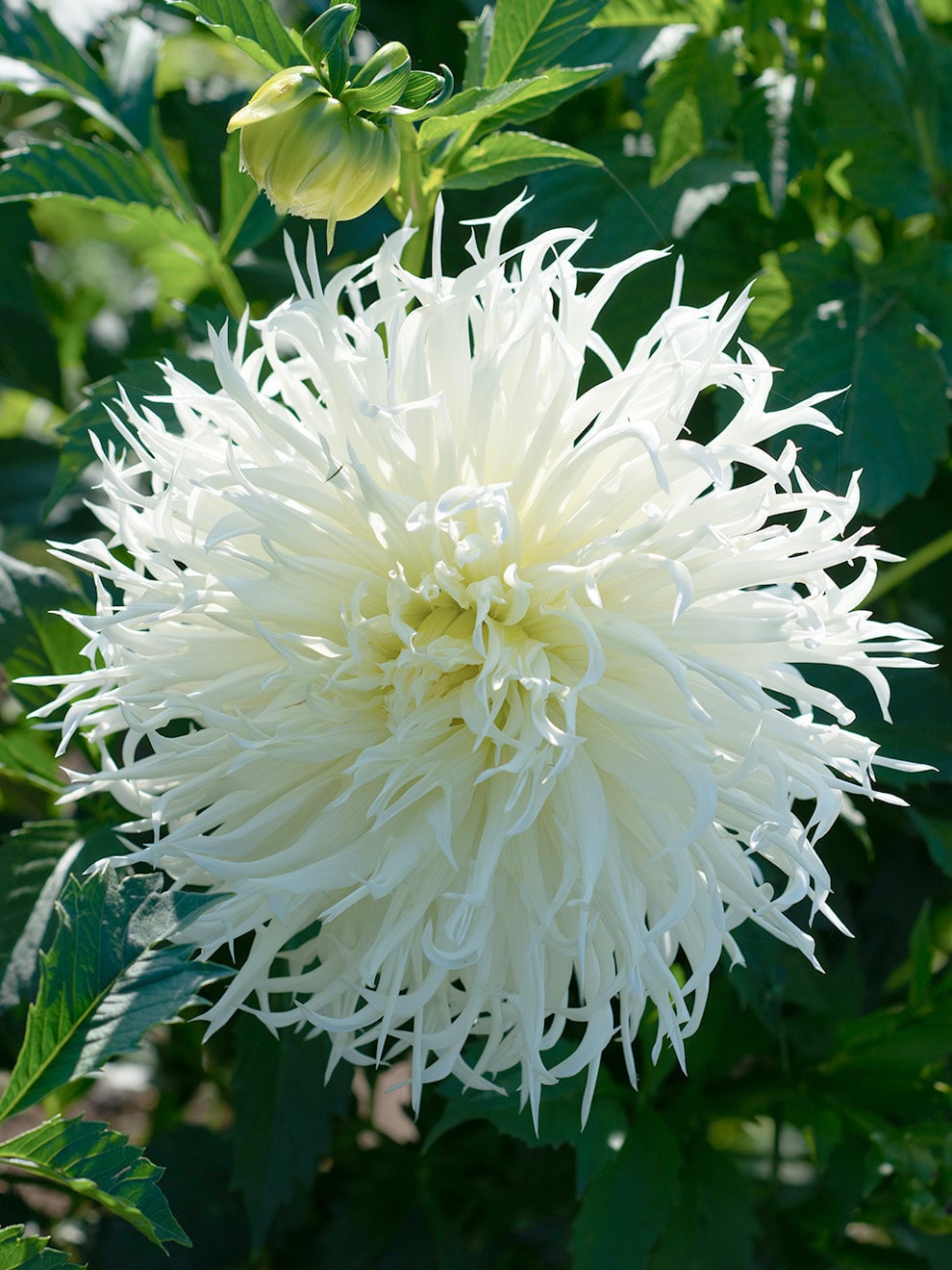
At the other end of the visual spectrum, Dahlia Tsuki-Yori-No-Shisha is a spider type with long, slender white petals. DutchGrown lists blooms around 15-20 cm across and describes the plant as tall and suited to a more sculptural presence. Its open shape will not provide the dense, rounded look some gardeners want, but it creates contrast alongside fuller dahlias. Check its listed flower details against the space available.
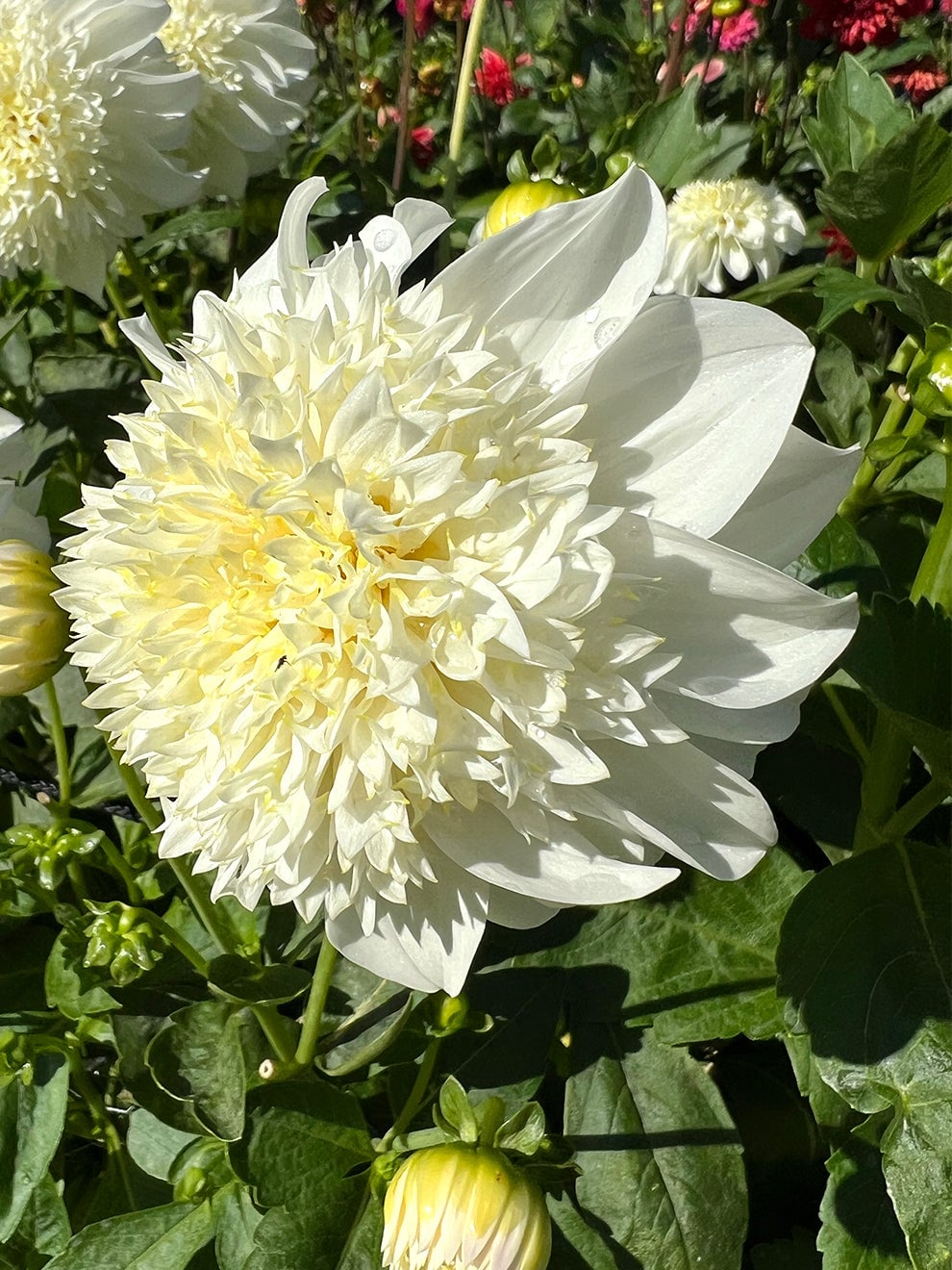
For a softer, more contained flower shape, Dahlia Zahra is described as an anemone type with an ivory outer ring and a raised cream-to-yellow centre. That layered form sits between the pompon’s precision and the spider’s looseness. The individual product entry is useful for comparing its flower structure and colour notes with nearby choices.
The product descriptions help, but do not remove the work
Descriptions of colour, height and flower form are the site’s most practical selling point. For example, a reader can compare Kick Off for upright warm colour with Zippity Do Da for smaller rounded blooms. These are concrete distinctions, not a promise that one plant will suit every soil, exposure or garden layout.
- Check the stated height against the front, middle or back of your border.
- Choose flower form as well as colour, especially if you plan to cut stems.
- Read planting and care guidance before ordering, including seasonal timing.
- Confirm stock and delivery details on the UK product listing before deciding.
Growing conditions remain the main uncertainty. The store’s descriptions cannot predict how a particular tuber will perform in a reader’s garden, and we have not grown these varieties. Dahlias are seasonal plants, so buyers also need to consider when to plant and how to protect or lift tubers where local conditions call for it. This is a reasonable fit for gardeners comfortable with seasonal jobs, less so for someone seeking a plant that can simply be left alone.
The range suits planned borders more than impulse buying
The best reason to choose DutchGrown is the ability to browse distinctive named forms. Kick Off is the warm, upright option in this review; Zippity Do Da brings a smaller pompon shape; and Tsuki-Yori-No-Shisha suits a gardener seeking an open, taller accent. The product descriptions allow readers to compare these roles without relying on vague category names.
We would not treat the breadth as a substitute for a planting plan, and availability can vary by season. Think about the height and shape you need first, then confirm the current product information on the relevant UK listing. Readers can revisit Kick Off, Zippity Do Da and Tsuki-Yori-No-Shisha to compare their descriptions before choosing.
Ready to choose a dahlia for your garden?
Our recommendation is to shortlist DutchGrown when you want a named variety and have a clear idea of the height, flower form or colour your planting needs. The range gives considered gardeners useful distinctions, while the product descriptions make it easier to compare examples such as Kick Off and Zippity Do Da.
The limitation is the seasonal commitment: you still need to check growing guidance, timing and local conditions, and a catalogue description cannot guarantee results in your own border. Choose for fit, not novelty, and confirm the live listing before making a decision.
DutchGrown is a sound option for planned dahlia planting, provided you are ready to manage the season as well as choose the flower.

