


Share This Article
Choosing food and small essentials for an outdoor trip can mean bouncing between specialist shops. Base Camp Food takes a broader approach: its UK store brings expedition meals, trail fuel, hydration products and camping equipment into one catalogue. That can make planning more coherent, though the range is broad enough that shoppers still need to compare products carefully.
We reviewed the store’s product information and navigation, rather than testing or using its products. The useful question is whether that mix serves a real trip-planning need, and which details deserve a closer look before choosing.
Some links in this article are affiliate links: if you make a purchase through them, we may receive a small commission.
Before you read on
- The store’s strongest idea is trip planning in one place, spanning food, hydration and camp kit.
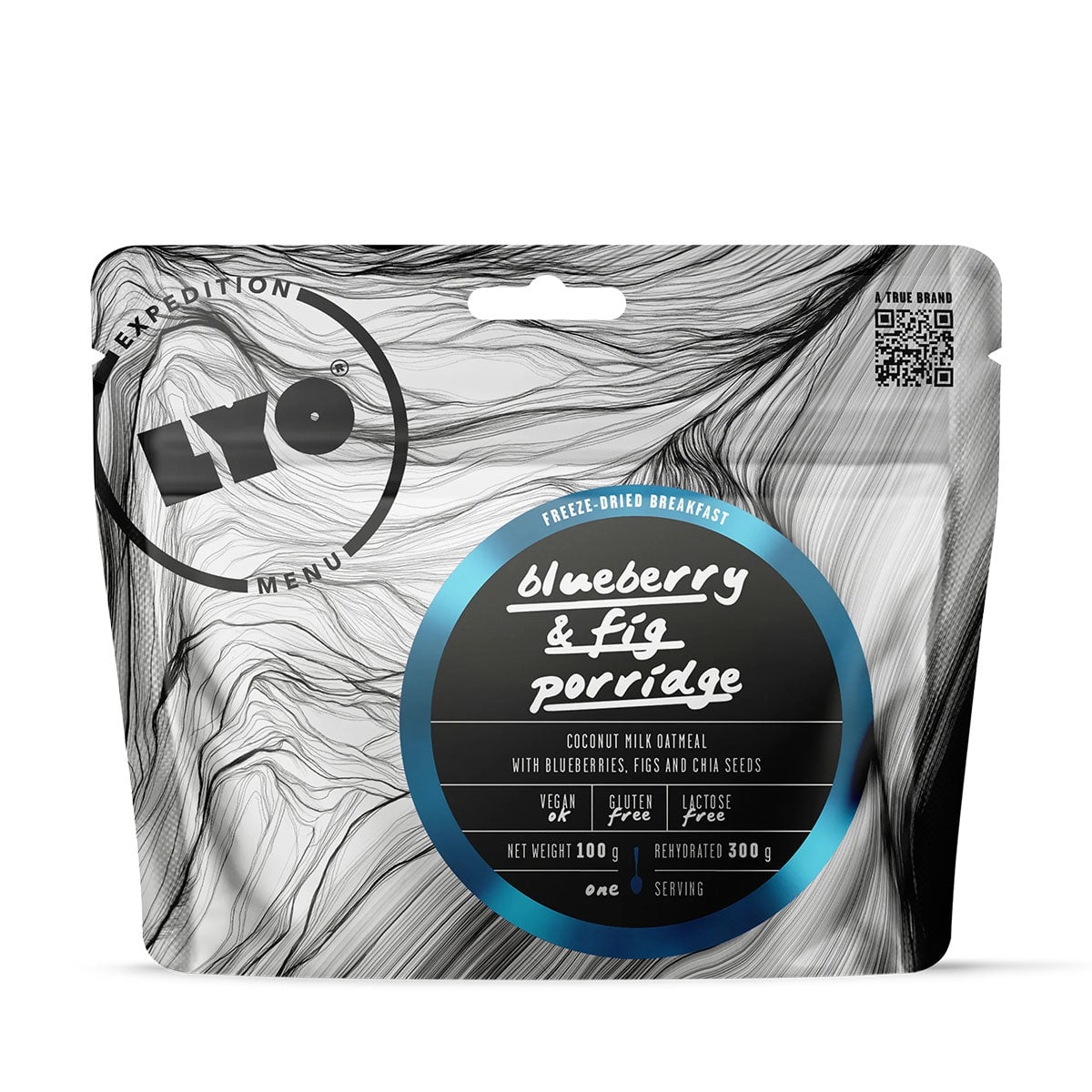
- LYO Expedition Blueberry & Fig Porridge shows how specific the food listings can get.
- Fidlock Hydration Bladders and filtration products solve different water needs.
- The trade-off is catalogue breadth: compare preparation, materials, capacity and dietary information before adding items to a trip list.
The catalogue connects food with practical camp kit
The main strength is range architecture. Menus separate camping meals, breakfast, drinks, energy products and equipment, with further routes into activities and specialist kit. For someone planning a multi-day walk, that means a single store can help assemble more than the menu: a meal choice, a way to carry water and shelter-related equipment sit within the same browsing journey. That convenience is the store’s clearest proposition.
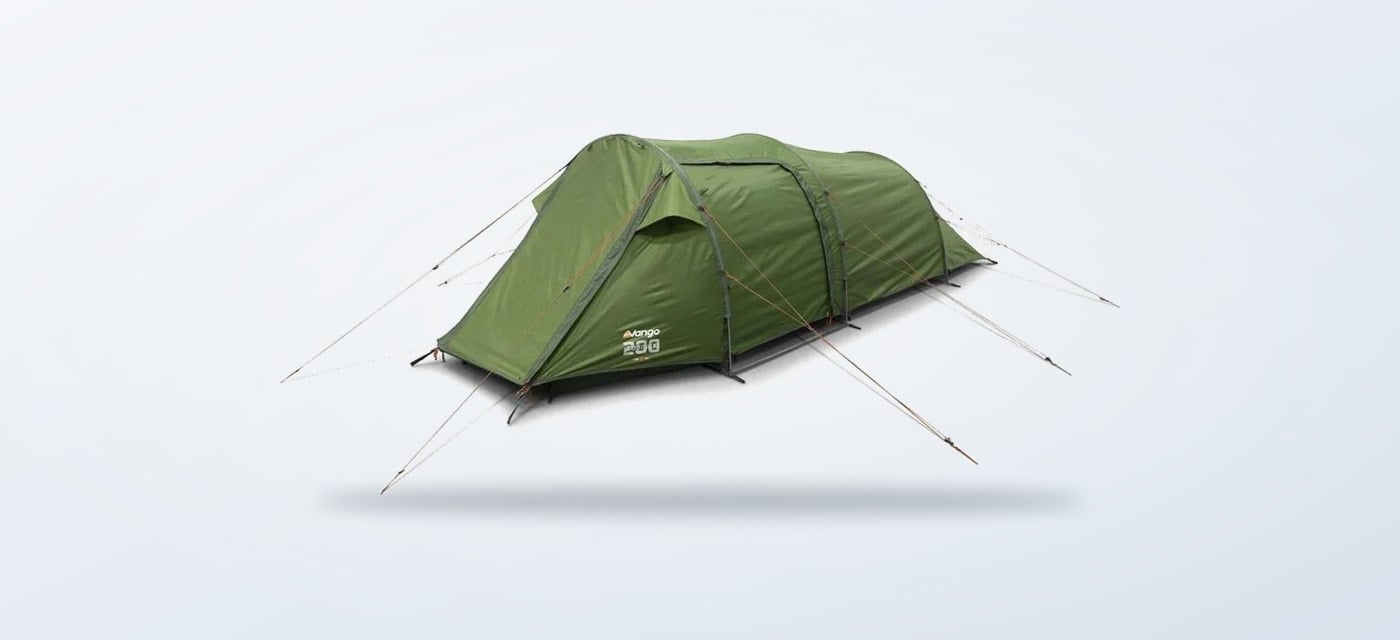
The equipment pages make the breadth tangible. The Vango Equinox 200 Tent is described as a tunnel shelter with a rear bedroom and generous porch, with a TBS II tension system intended to improve stability in stronger or changing winds. Its flysheet is listed as recycled-material Protex Eco Ripstop polyester. Those are useful details for a shopper comparing exposed-site use and gear storage, rather than relying on a generic claim of all-weather suitability. The product page outlines the Equinox construction, and readers can check its listed shelter details against their own packing plan.
That specificity is valuable, but a retailer listing is not an independent performance guarantee. Check the full specification and consider the conditions, group size and packed load your route calls for. Review the Equinox 200’s listed features alongside the rest of the shelter options.
Meal listings make trip food easier to assess
Food is the centre of gravity, and the store organises it into practical shopping paths such as freeze-dried meals, ready-to-eat options, breakfast, dietary categories and ration packs. That helps readers start from the trip requirement. Someone who needs a quick breakfast can browse differently from someone assembling a full ration plan or checking for a dietary constraint.
The LYO Expedition Blueberry & Fig Porridge listing gives concrete ingredients: oats cooked in coconut milk with blueberries, chia seeds, agave and fig. It is positioned as a gluten-free breakfast. Those details help a reader judge whether the format and ingredients fit their own menu; they do not answer personal taste or tolerance. Check the product page’s current ingredients and allergen notes before relying on a dietary filter. The LYO listing provides the ingredient context, and its preparation format is worth checking before packing it.
For a longer outing, the distinction between meal and fuel matters. An energy pouch or drink mix is not a substitute for a planned meal, and a freeze-dried pouch implies access to water and preparation time. Compare the porridge format with the store’s ready-to-eat and trail-fuel categories against your cooking setup.
- Check preparation: water, heating and waiting time can change what is practical.
- Check dietary detail: read the full ingredients and allergen information on the item page.
- Plan by occasion: breakfasts, main meals and movement fuel do different jobs.
Water and energy products cover separate needs
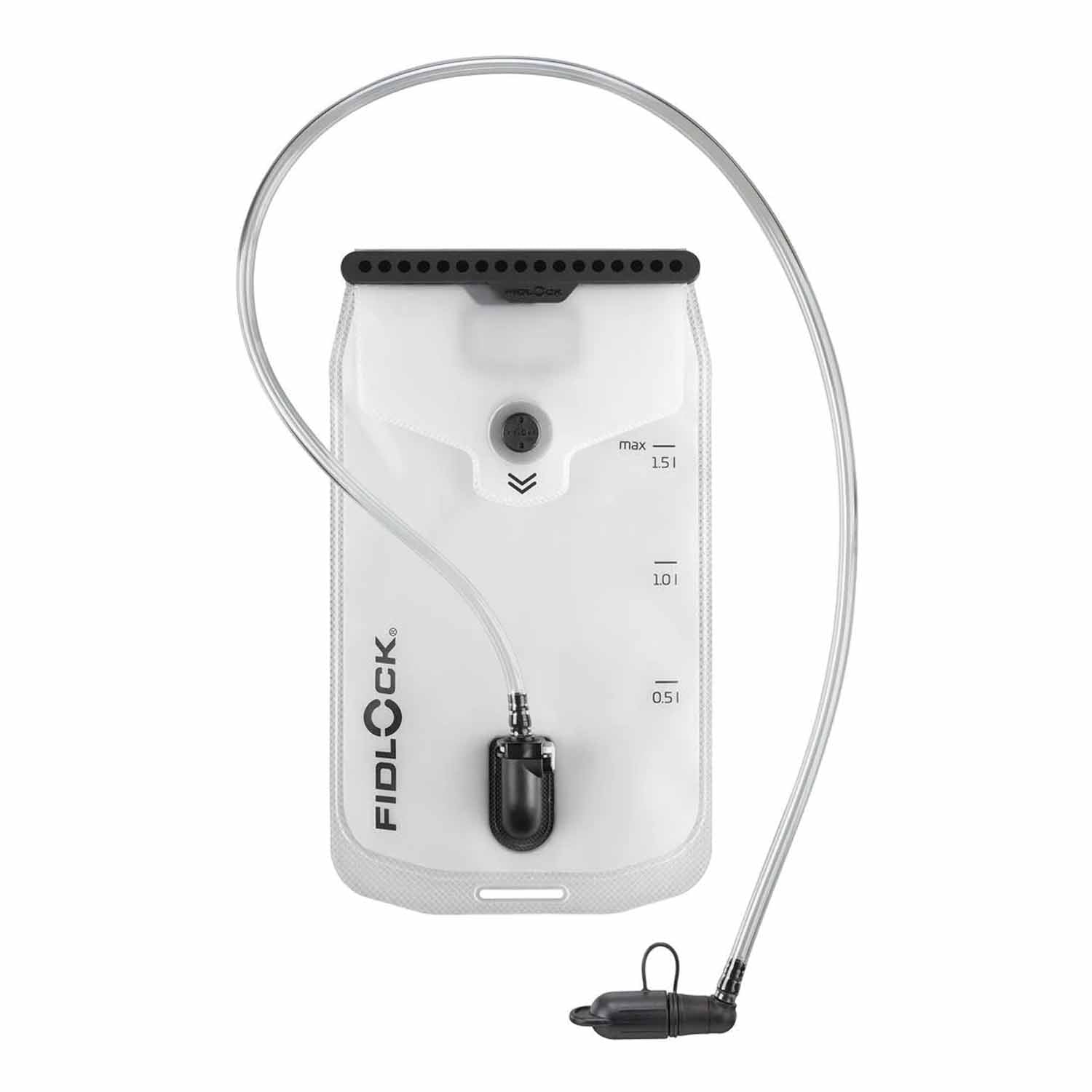
Hydration is another useful strand, although the store’s choices call for a little more research than a simple add-on. The Fidlock Hydration Bladders listing describes a reservoir with a magnetic closure designed to seal without a manual lock. That may appeal to hikers or cyclists who want a hands-free carry system, but capacity, pack compatibility, cleaning and replacement parts are the decision points to verify on the page. Review the bladder specifications and confirm its fit with your pack before treating it as a suitable match.
For uncertain water sources, the listed LifeStraw Peak Series 3-in-1 filtration kit is a distinct category: the store describes straw, squeeze and gravity-fed configurations. A bladder carries water; a filter treats water. They are not interchangeable, so shoppers should check the manufacturer’s instructions and limitations for the specific model. See the Fidlock product details if carrying rather than treating water is the need.
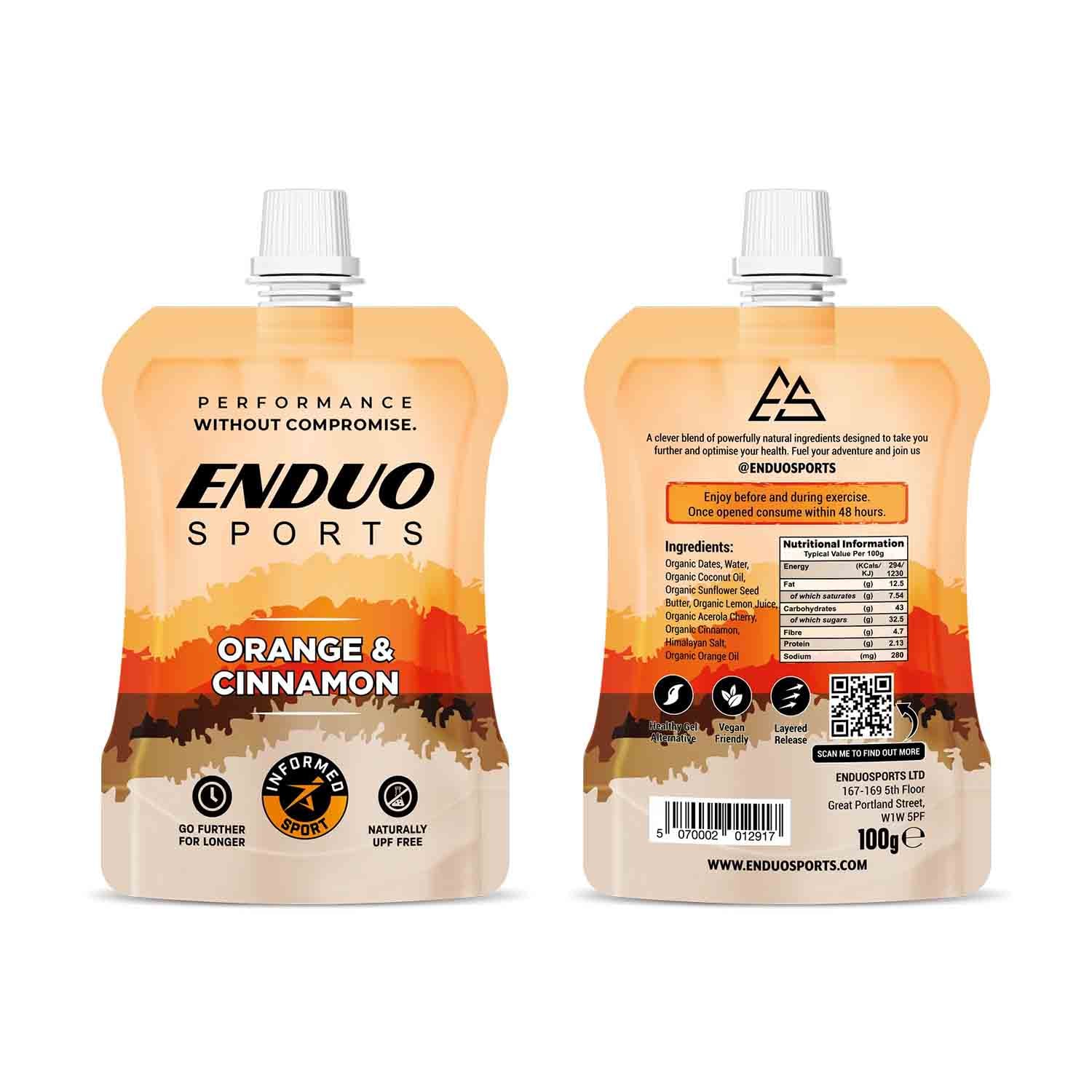
Trail fuel extends the range again. The Enduo Sports Orange & Cinnamon Energy Pouch is presented by the store as an organic whole-food energy option, while Tailwind High Carb Fuel is a drink mix described as supplying carbohydrates and electrolytes. The difference is useful: one is a pouch format and one is mixed with water. The Fidlock product listing also helps illustrate how hydration storage sits alongside food and fuel in the store. The brand’s own claims should be read as product descriptions, not as a substitute for individual nutrition advice or a race-day plan.
- Choose a reservoir around carrying comfort and compatibility.
- Choose a filter around the water source and the manufacturer’s stated limits.
- Choose fuel around format, ingredients and your established routine.
The broad range asks shoppers to do more filtering
A large catalogue is only helpful when the route to a decision is clear. Base Camp Food’s category and activity navigation gives useful starting points, but shoppers may still move between brands, formats and equipment types. Some listings are detailed; others require opening the product page to answer the practical questions that matter. This is a store to browse with a checklist, not a tightly edited shortlist where every option has already been weighed against every other one.
Before choosing, compare a few points across the relevant product pages: how it is prepared or assembled, its weight or carrying needs where listed, the ingredients and allergens for food, and whether the specifications match the route. For a tent, check occupancy and porch space as well as weather-related ratings. Compare the Equinox 200 page with your group and gear needs, and verify the listed setup details before making a shortlist. For water gear, distinguish storage from treatment. For a meal, consider whether the cooking method is available on your trip.
Ready to plan an outdoor kit list?
Our recommendation is to use Base Camp Food when your trip list spans meals and practical outdoor essentials, especially if you value seeing these categories under one roof. The listings provide enough concrete product detail to make focused comparisons, from the ingredients in a breakfast pouch to the stated features of a tent or water system.
The honest limitation is choice overload: the breadth does not remove the work of checking specifications, dietary notes, compatibility or product suitability. Start with your route and constraints, shortlist a few products, and confirm the current store information before deciding. Readers who want a narrow, independently ranked selection may prefer to define their requirements first.
Base Camp Food is a useful one-stop starting point for outdoor meal planning, provided you compare the details that matter to your trip.

