


Share This Article
A first visit to Base Camp Food can lead in two directions: food for the route, or the kit that makes a night outside workable. The UK retailer puts both under one roof, with meals, snacks and expedition fuel alongside tents, hydration, water treatment and other camp equipment. That mix gives the brand a practical point of view: planning outdoors involves more than choosing a menu.
We reviewed the store’s product and category information to understand how its range is organised. For new readers, the useful question is whether this breadth makes trip planning easier, and where a more focused shortlist still matters.
Some links in this article are affiliate links: if you make a purchase through them, we may receive a small commission.
Before you read on
- Base Camp Food combines outdoor food with camp equipment in one UK store.
- Its food listings separate ready-to-eat options from freeze-dried meals that require water.
- Examples such as LifeStraw SIP with Carry Case and Vango F10 Helium UL 1 Air Tent show how far the catalogue extends beyond meals.
- Product pages provide details to check, but shoppers still need to match them to route conditions and personal requirements.
A food-led store also covers the rest of a trip
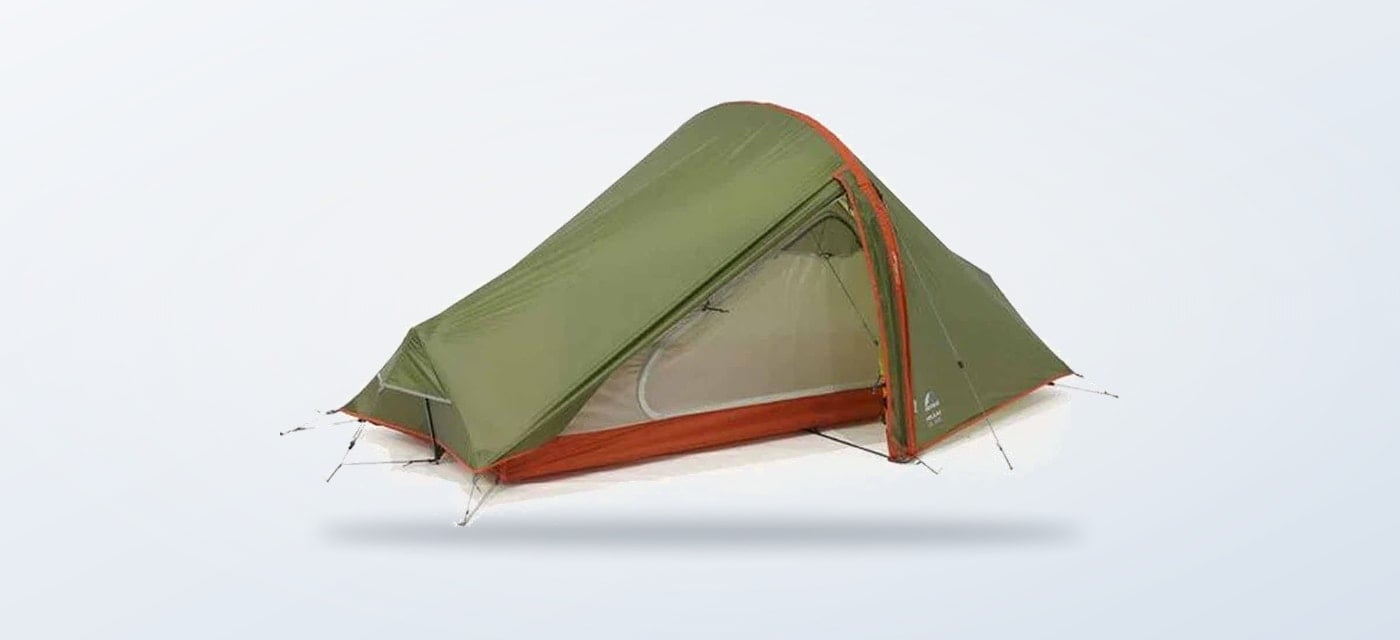
The store presents itself as a source for camping and expedition food, but its navigation places food beside equipment and activity-based collections. A reader can start with the Vango F10 Helium UL 1 Air Tent listing to see how shelter product pages sit within the same shop. Readers can browse meal types such as ready-to-eat and freeze-dried, then move to hydration, water filters, tents or dry bags. That layout is useful for assembling a list around a trip rather than browsing a single product category in isolation.
There is an editorial distinction worth keeping in view: the catalogue is broad, while individual items solve specific problems. A meal pouch addresses eating; a filter or tent belongs to a different part of preparation. We would use the store as a planning starting point, then check each listing against the length, conditions and support available on the outing.
Trip food ranges from ready-to-eat to water-based meals
The meal catalogue includes ready-to-eat pouches and freeze-dried choices. Those formats ask different things of a trip: the former can reduce preparation steps, while freeze-dried meals need water to rehydrate. The brand’s site presents products such as Wayfayrer Chilli Con Carne and Rice as eat-hot-or-cold food, while freeze-dried listings set out their own preparation requirements. Another reference point is Real Turmat Beef Stew, whose listing sits in the field-meal part of the offer.
That difference matters most when water access, cooking time and pack space shape the plan. A product page is the place to verify the instructions and ingredients before deciding. Check the format first, then consider flavour and dietary fit. The store also includes ingredient and allergen information on food listings, a useful prompt for anyone buying for a group or managing an allergy. Check those details directly on the Wayfayrer meal page as well as on any alternative under consideration.
For a compact browse, start with categories rather than assuming every meal works the same way:
- Ready-to-eat meals for fewer preparation steps.
- Freeze-dried meals where carrying water and adding it at camp fits the plan.
- Snacks and energy products for eating between main meals.
- Dietary collections, followed by a careful check of each item’s ingredients.
Equipment listings make the retailer broader than its name
The clearest examples of that broader offer sit in the equipment catalogue. The Vango F10 Helium UL 1 Air Tent is listed as a solo tent for camping and bikepacking, while its listing describes a hybrid tunnel design with AirBeam technology. The tent’s product details give readers a place to review the stated construction before comparing it with other shelter choices. That gives a first-time reader a concrete sense of the sort of shelter stocked here, but it does not remove the need to assess conditions, internal space and packed dimensions against the route.
Hydration and water treatment form another useful branch. The LifeStraw SIP with Carry Case is described as a reusable stainless-steel filtration straw intended for travel, everyday use and emergency preparedness. It is a different tool from a bottle or a larger filtration system, so the intended water source and trip use should guide the comparison. A listing is a starting point for checking the maker’s stated capabilities, not a substitute for route-specific water planning. Readers can review the LifeStraw SIP product information alongside their own water-source plan.
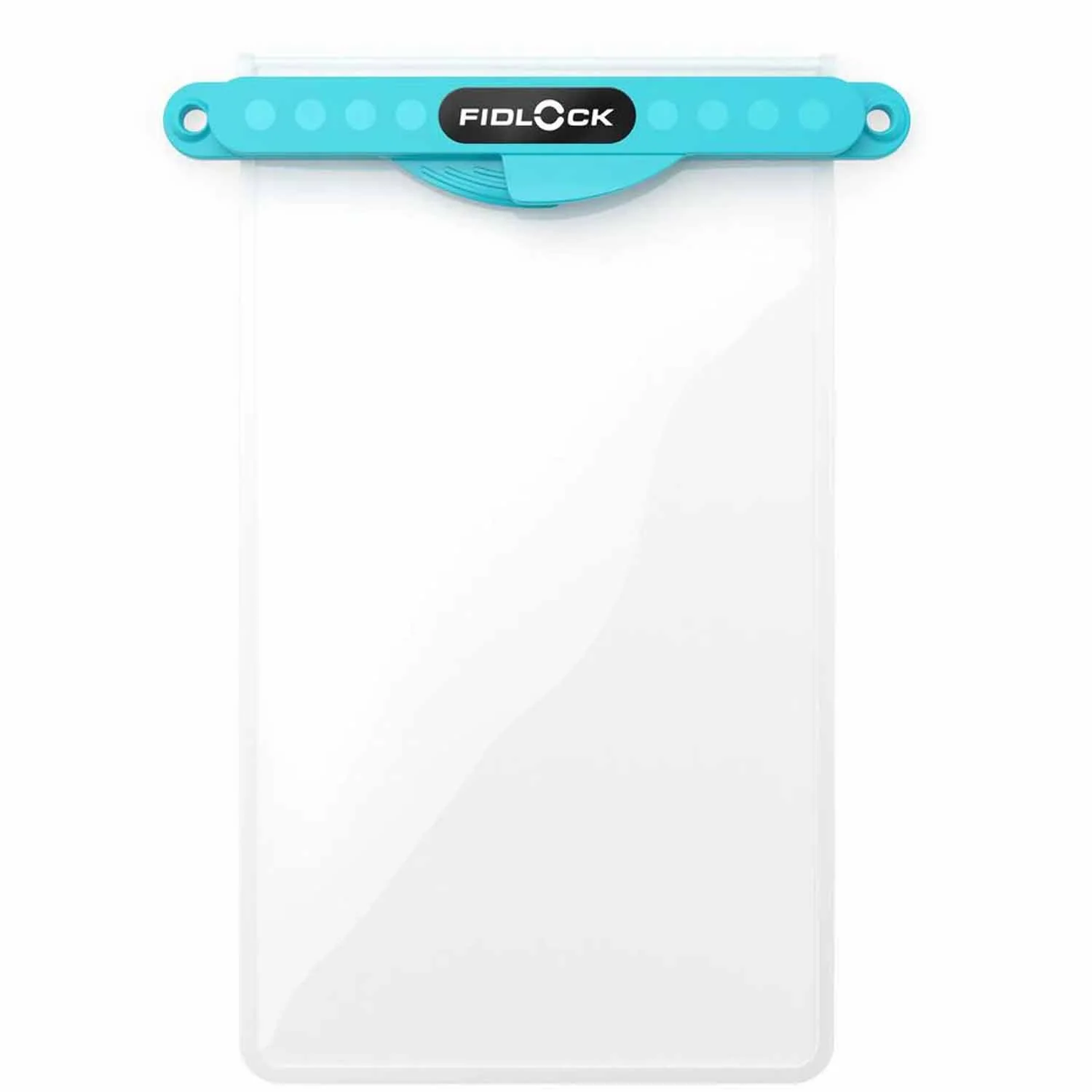
For organising smaller essentials, the Fidlock Dry Bag Medi listing describes a compact waterproof pouch with a magnetic self-sealing closure and a transparent front. It suggests how far the range extends into accessories. Readers considering it should verify what it is designed to protect and how it fits the equipment they already carry. The store also lists larger dry bags and other outdoor storage options. The Fidlock Dry Bag Medi listing is one concrete example for comparing size and closure details.
A broad catalogue rewards a list built around the outing
Base Camp Food is most useful to a newcomer when approached with a simple trip list. Start with the essentials, then use the store’s range to compare relevant options. For example, a reader planning a lightweight solo overnight could browse a shelter such as the Vango F10 Helium UL 1 Air Tent, while someone arranging a day route might focus on snacks and water treatment rather than tent specifications.
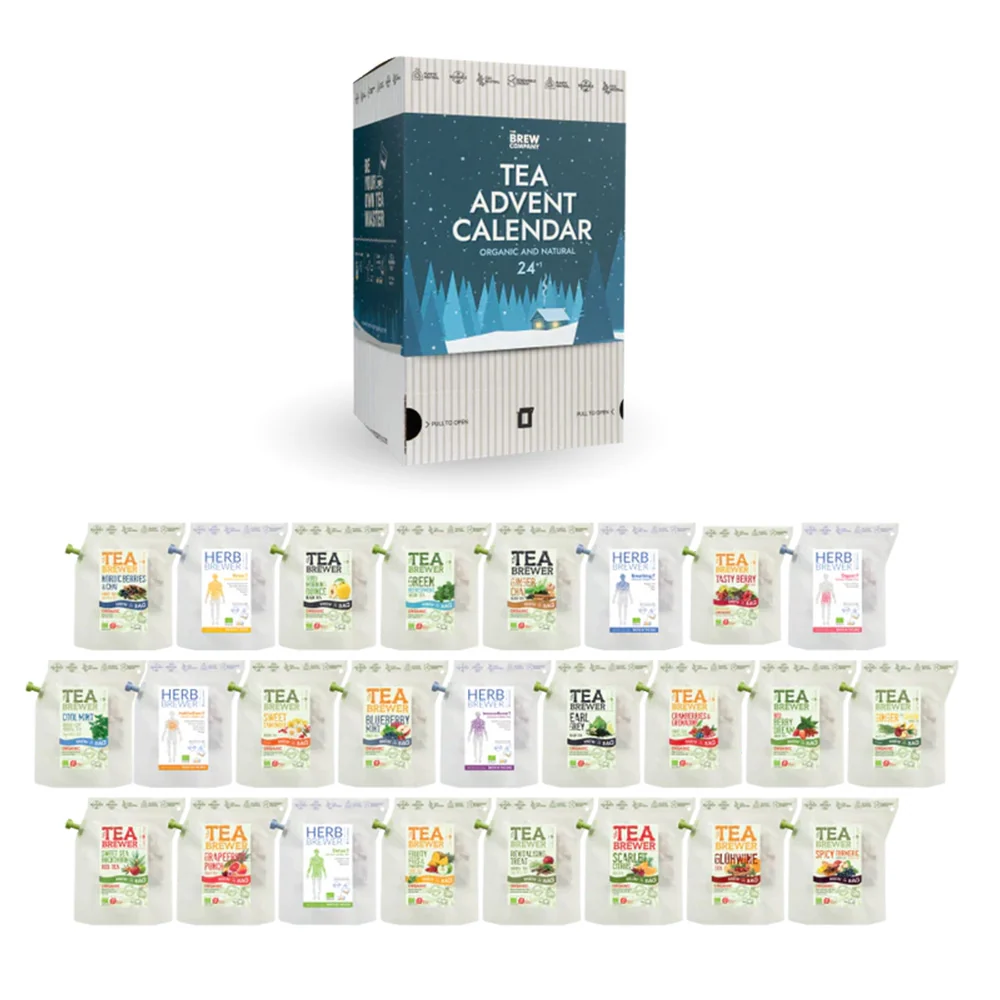
Small details can help make that shortlist more grounded. The The Brew Company Tea Advent Calendar shows the shop has offerings beyond core expedition staples, but a seasonal gift item will not be relevant to every outdoor plan. Its presence is a reminder that the range serves several kinds of shopper, from people preparing trips to people looking for outdoor-themed provisions. The Tea Advent Calendar product page provides the store’s own description for readers considering that seasonal category.
- Write down the conditions and duration before choosing equipment.
- Separate meals, snacks, hydration and shelter into different needs.
- Check preparation directions, ingredients and allergens on food listings.
- Confirm the product’s stated features and dimensions on its own page.
A limitation follows from the same breadth: category choice can feel diffuse when someone arrives without a clear need. Product availability and exact specifications can also change, so readers should treat store descriptions as listing information and recheck the current product page before making a decision. Trip-first browsing helps keep the catalogue manageable. A shopper can return to a specific shelter listing or water-treatment listing after narrowing the need.
Ready to explore the range for your next trip?
We would recommend Base Camp Food to readers who value having outdoor meals and practical equipment together, especially when building a supply list across more than one category. Its range is the story: food is the anchor, with hydration, shelter and accessories extending the shop into trip preparation.
The honest caveat is that a large assortment does not make selection automatic. Shoppers still need to check suitability, instructions and current listing details against their own route and requirements.
Use Base Camp Food as a broad planning source, then choose each item against the specific demands of your outing.

