


Share This Article
Choosing outdoor food is a logistics decision as much as a menu decision. A meal that needs added water can make sense when you already carry a stove and water plan; a pouch that is ready to eat has a different value when a stop needs to stay simple. The breadth of Base Camp Food makes those distinctions worth reading carefully.
We reviewed the retailer’s UK product information and range, rather than relying on personal use. Its catalogue combines prepared meals, freeze-dried options, trail snacks and practical equipment. The useful question is whether that breadth helps a reader build a coherent food plan, or leaves too much filtering to do.
Some links in this article are affiliate links: if you make a purchase through them, we may receive a small commission.
Before you read on
- MRE Pork Meatballs With Pasta is listed as ready to eat from the pouch or suitable for heating.
- Real Turmat Beef Stew represents the lighter dry-food format, but needs water to prepare.
- Wayfayrer Chilli Con Carne and Rice is described as edible hot or cold and needs no refrigeration.
- Trail bars and energy products fill a different role from a full meal, so choose them around effort and stopping plans.
Ready meals make preparation the clearest strength
The strongest practical case for the range is choice among meal formats. The listing for MRE Pork Meatballs With Pasta says it can be eaten straight from the pouch or heated. That flexibility gives the reader a choice at camp without making heating a prerequisite. A similar browse through the retailer’s Wayfayrer Chilli Con Carne and Rice page shows another format: a meal presented as suitable hot or cold and requiring no refrigeration.
This is meaningful convenience, but not a claim that every pouch suits every route. Ready-to-eat meals can reduce dependence on cooking equipment and make a short stop simpler; the product page still leaves shoppers to compare ingredients, allergens, portion size and the meal they actually want. Read the listing details before treating a category label as a substitute for checking suitability.
Freeze-dried meals reward a water-first plan
The Real Turmat Beef Stew listing shows the other side of the trade-off. Real Turmat Beef Stew is a freeze-dried meal, a format that cuts down carried food weight before preparation but needs water to become a meal. That makes it most persuasive when water access and a way to heat or prepare it are already part of the route plan. The adjacent MRE Pork Meatballs With Pasta listing is a useful counterpoint for readers who prioritise fewer preparation steps.
The store’s range therefore helps shoppers compare formats within one destination, but the reader has to supply the context: distance between water sources, cooking setup, appetite and tolerance for carrying heavier ready meals. No single format wins across those conditions. The retailer does provide ingredient and allergen information on product pages, a practical strength for narrowing options before purchase.
Trail fuel and meals solve different problems
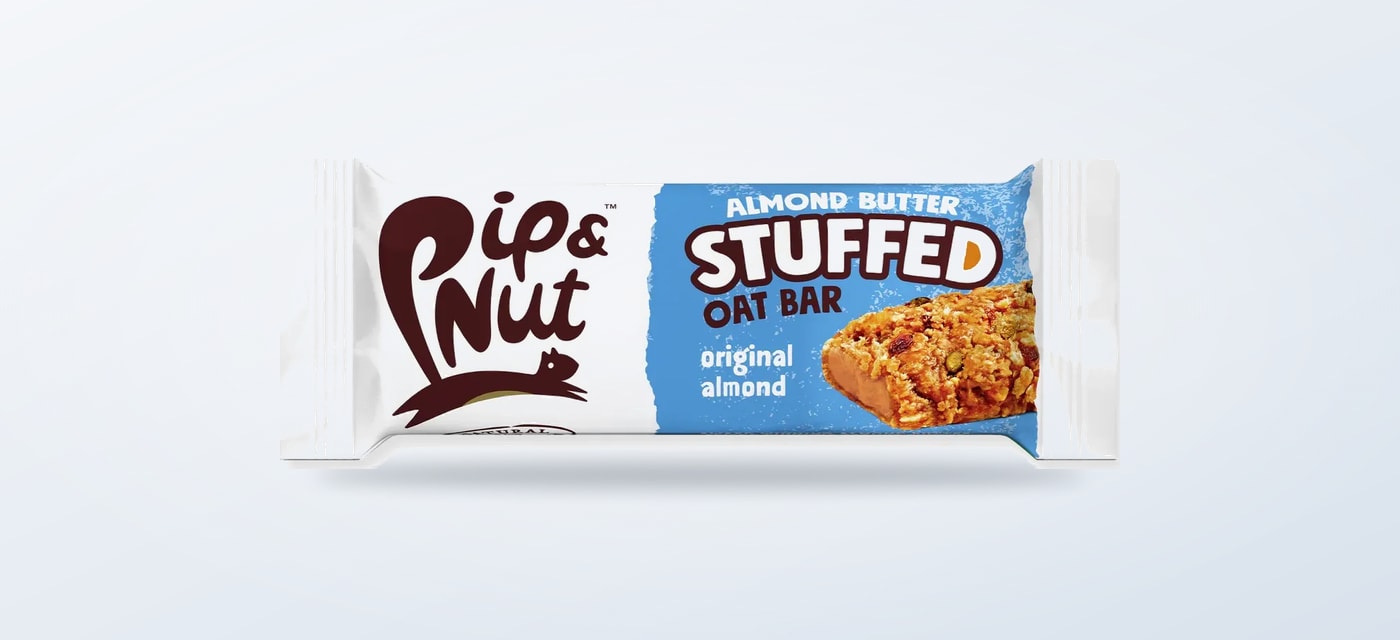
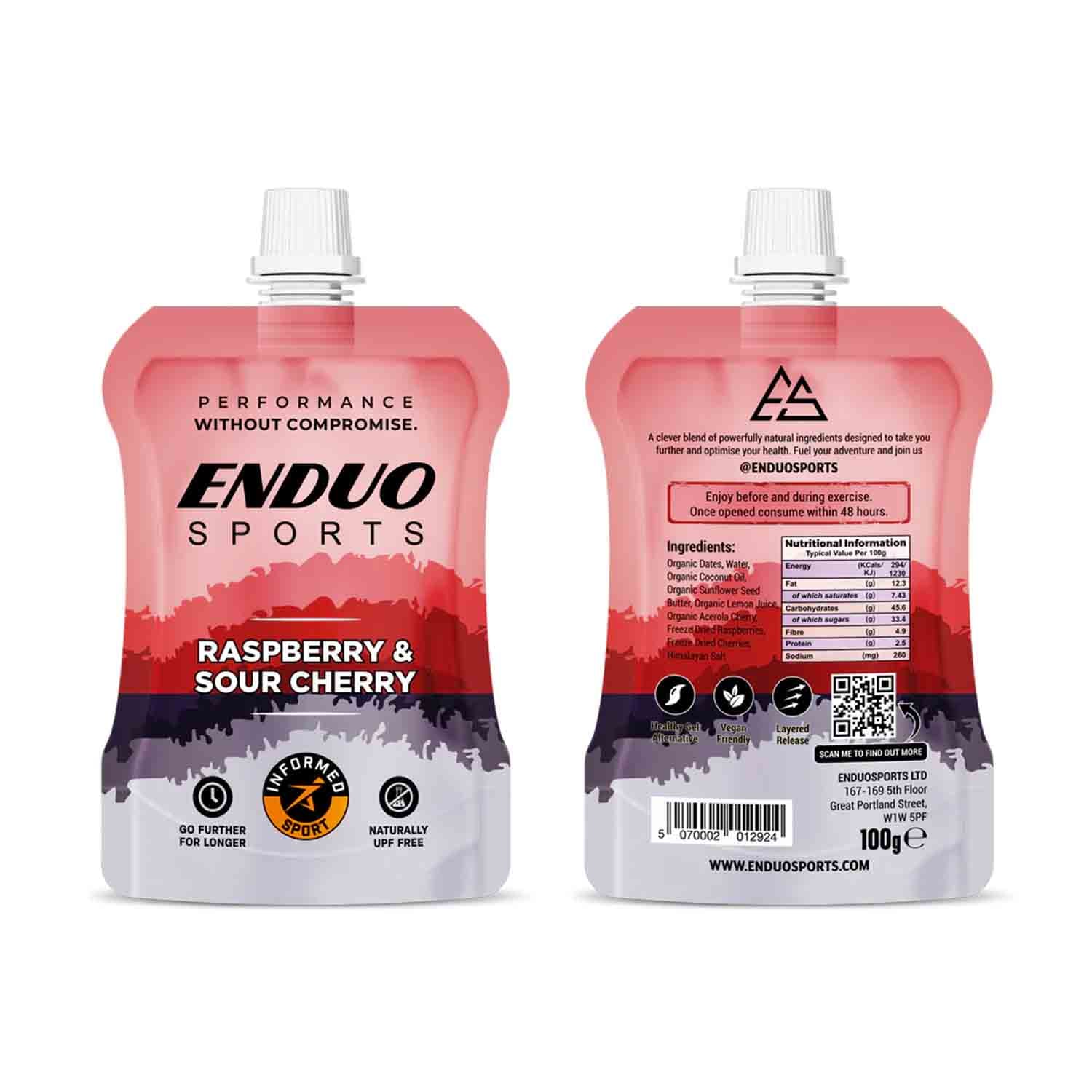
Snack products broaden the selection beyond breakfast and dinner. A listing such as Pip & Nut Almond Stuffed Original Oat Bar gives readers a portable option for a shorter pause, while Enduo Sports Raspberry & Sour Cherry Energy Pouch is positioned as sports energy food. These are not interchangeable: a bar can be a snack, and an energy product belongs in a plan for exertion, rather than being treated as a complete meal.
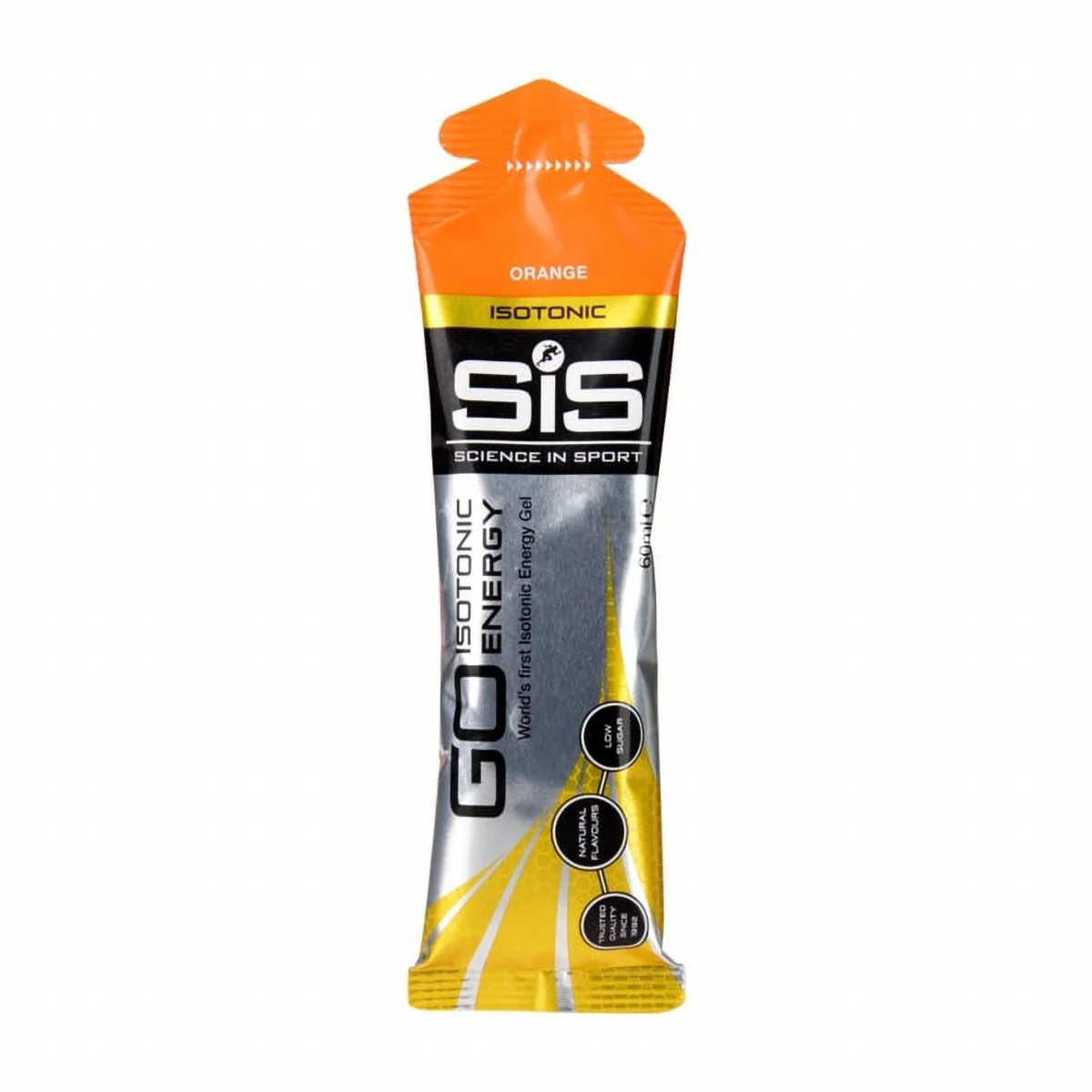
That breadth is useful for a shopper assembling several parts of a trip’s food list. For instance, the retailer also lists Science in Sport Go Isotonic Energy Gel in Orange. Check its ingredients and intended use against your own needs; product descriptions cannot determine whether a formulation works for a particular person. Different jobs, different choices is the sound way to use this category.
- Choose a ready meal when reducing preparation matters most.
- Choose freeze-dried food when lower dry carry weight and water availability align.
- Add trail snacks or sports fuel only for the moments they are intended to cover.
The broad catalogue asks for a trip-specific shortlist
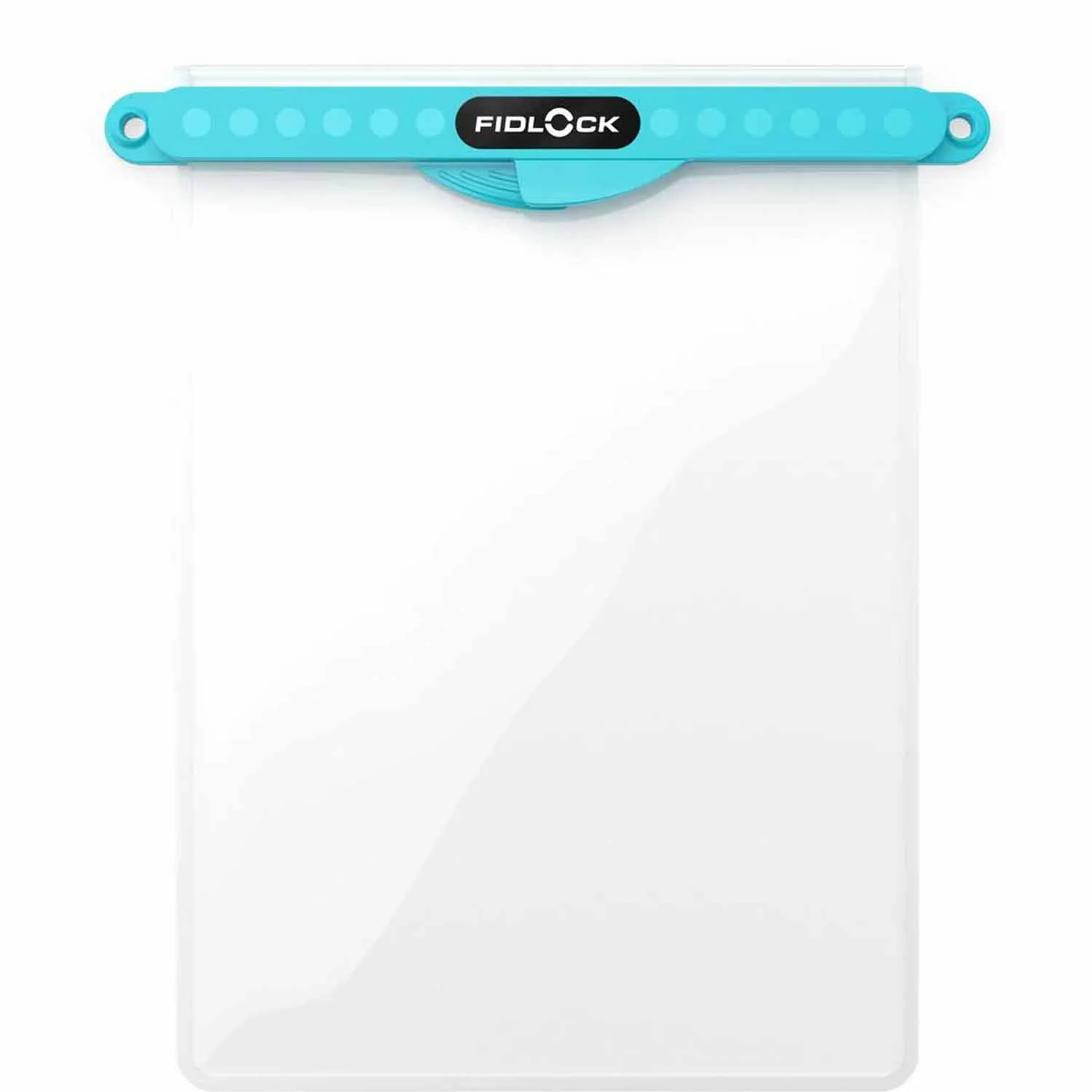
Base Camp Food also sells equipment, from the LifeStraw Peak Series 3-In-1 Filtration Kit to the Fidlock Dry Bag Maxi. The extra categories support one-stop browsing, but they also make the site less focused than a specialist food-only shop. Readers arriving with a clear route plan can use the breadth productively; readers seeking a single best meal may need to narrow the catalogue by preparation style, dietary requirements and trip conditions first.
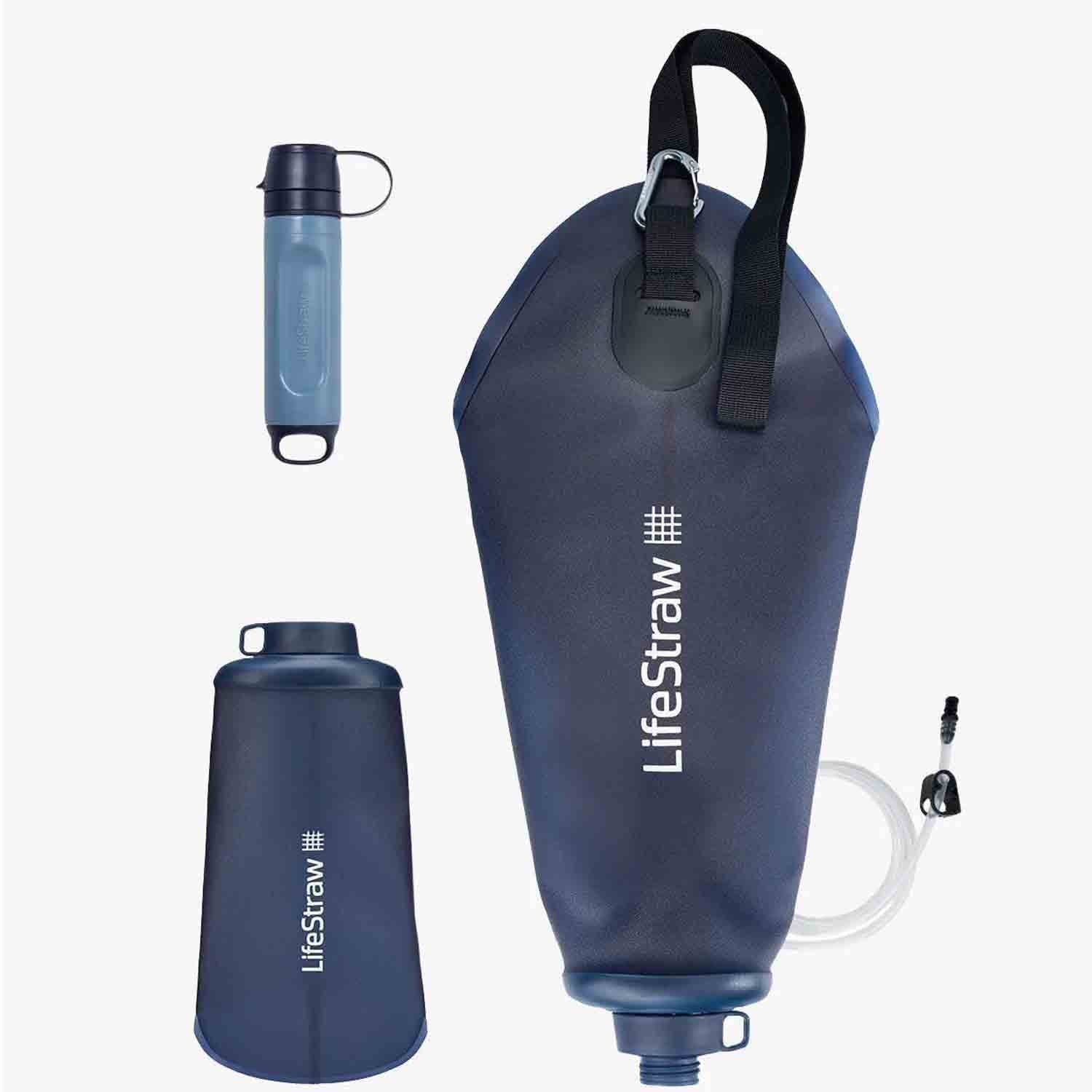
We would treat the product pages as the starting point for comparison rather than as a complete menu-planning tool. They offer concrete details such as preparation notes and ingredient information, while the shopper still needs to consider personal dietary requirements and the water and cooking equipment available. The LifeStraw filtration kit is a separate equipment choice, not proof that water is available or appropriate at every campsite.
The best fit is a reader planning several food moments
The catalogue is a better fit for hikers and campers who want to compare ready meals, freeze-dried dinners and portable fuel in one place. It is less immediately useful for someone who has not decided whether they can heat food, carry enough water or needs a particular dietary profile. The breadth is real, but browsing convenience does not remove those planning decisions.
For a practical shortlist, compare one no-cook meal, one water-prepared meal and the snack format relevant to your route. Product pages for Wayfayrer Chilli Con Carne and Rice, Real Turmat Beef Stew and the Pip & Nut oat bar give concrete starting points. Review serving details, ingredients and preparation guidance on the current listings, since that information should guide the final selection.
Ready to build your trail food plan?
Our recommendation is to use Base Camp Food as a comparison source when you already know the constraints of your trip. Its real strengths are format variety, practical preparation distinctions and a mix of meals and snacks. Its limitation is that the reader must do the matching: the catalogue cannot decide water access, dietary fit or whether a compact snack is enough for a given stop.
Start with the meal format that suits your equipment, then check ingredients and add trail fuel only where it serves a distinct purpose. That approach makes the broad range useful without mistaking breadth for a ready-made plan.
Base Camp Food is a useful source for a trip-specific shortlist, especially when preparation needs vary across the route.

