


Share This Article
Choosing a bulb and plant supplier is partly a question of range, but the more useful test is whether the catalogue helps you make a suitable choice. DutchGrown™ presents itself as a UK source for flower bulbs and plants from growers in the Netherlands. Its offer spans seasonal bulbs, tubers, bare roots and perennials, so the range is broad enough to reward a little planning.
We reviewed the UK storefront and product information rather than ordering or growing the plants. The store is strongest when a listing explains where a plant belongs and what conditions it needs. The trade-off is that breadth shifts some work to the buyer: a large catalogue cannot decide whether a plant fits your soil, light and gardening calendar.
Some links in this article are affiliate links: if you make a purchase through them, we may receive a small commission.
Before you read on
- Range: a broad mix of spring- and autumn-planted options alongside perennials.
- Useful detail: selected listings state flowering time, height, position and soil preferences.
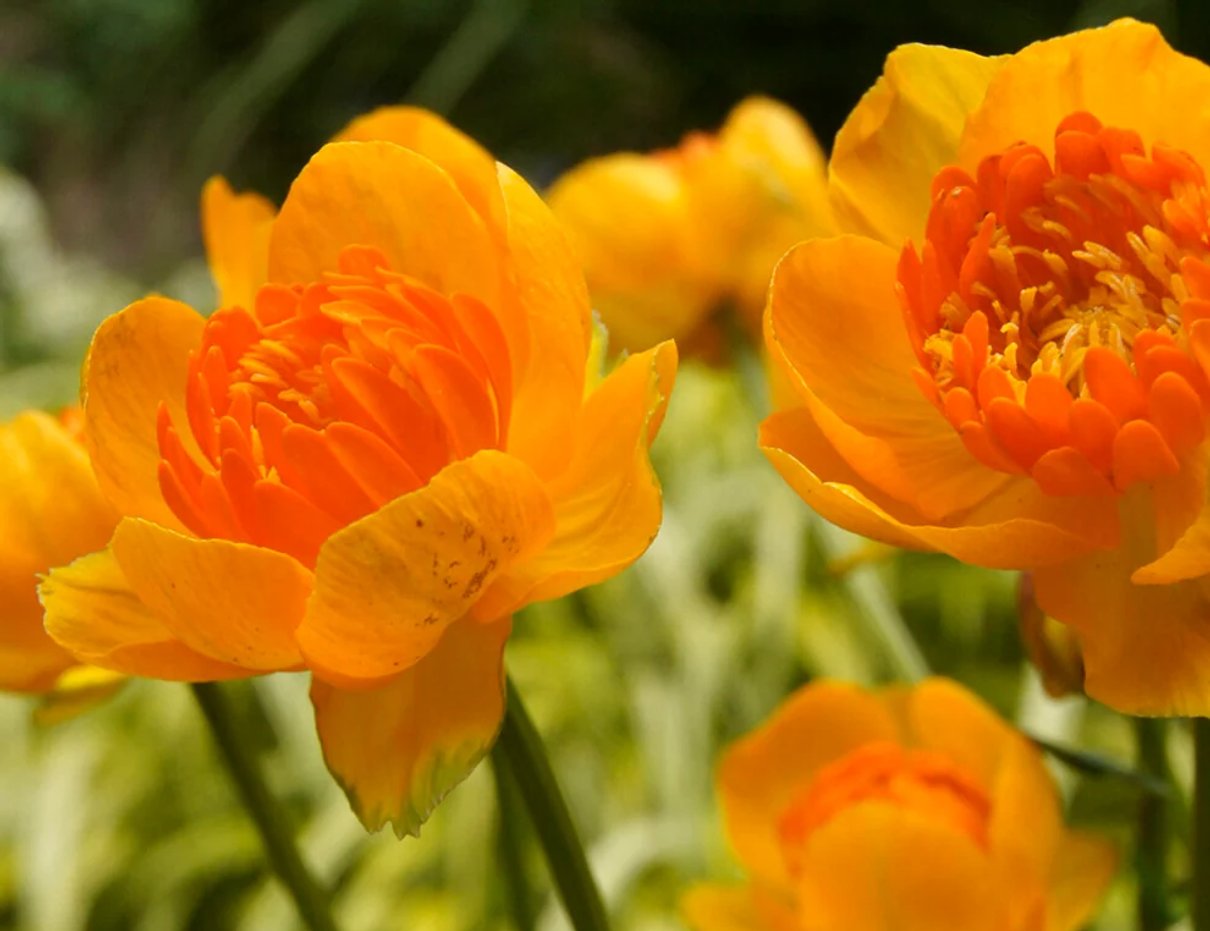
- Specific examples: Trollius Orange Crest is suited to moist ground, while Anemone Fullstar Bordeaux offers a different border character.
- Best fit: gardeners who enjoy choosing by growing conditions and want multiple plant types in one catalogue.
- Limit: check seasonal availability, delivery information and site requirements before settling on a combination.
DutchGrown covers more than one planting season
A practical strength of DutchGrown™ is that the UK shop organizes plants across different categories and planting windows. That gives gardeners a route from familiar tulips and daffodils to less routine options, instead of forcing every plan into one narrow season. The brand describes its offer as sourced from growers and sells bulbs direct through its UK store.
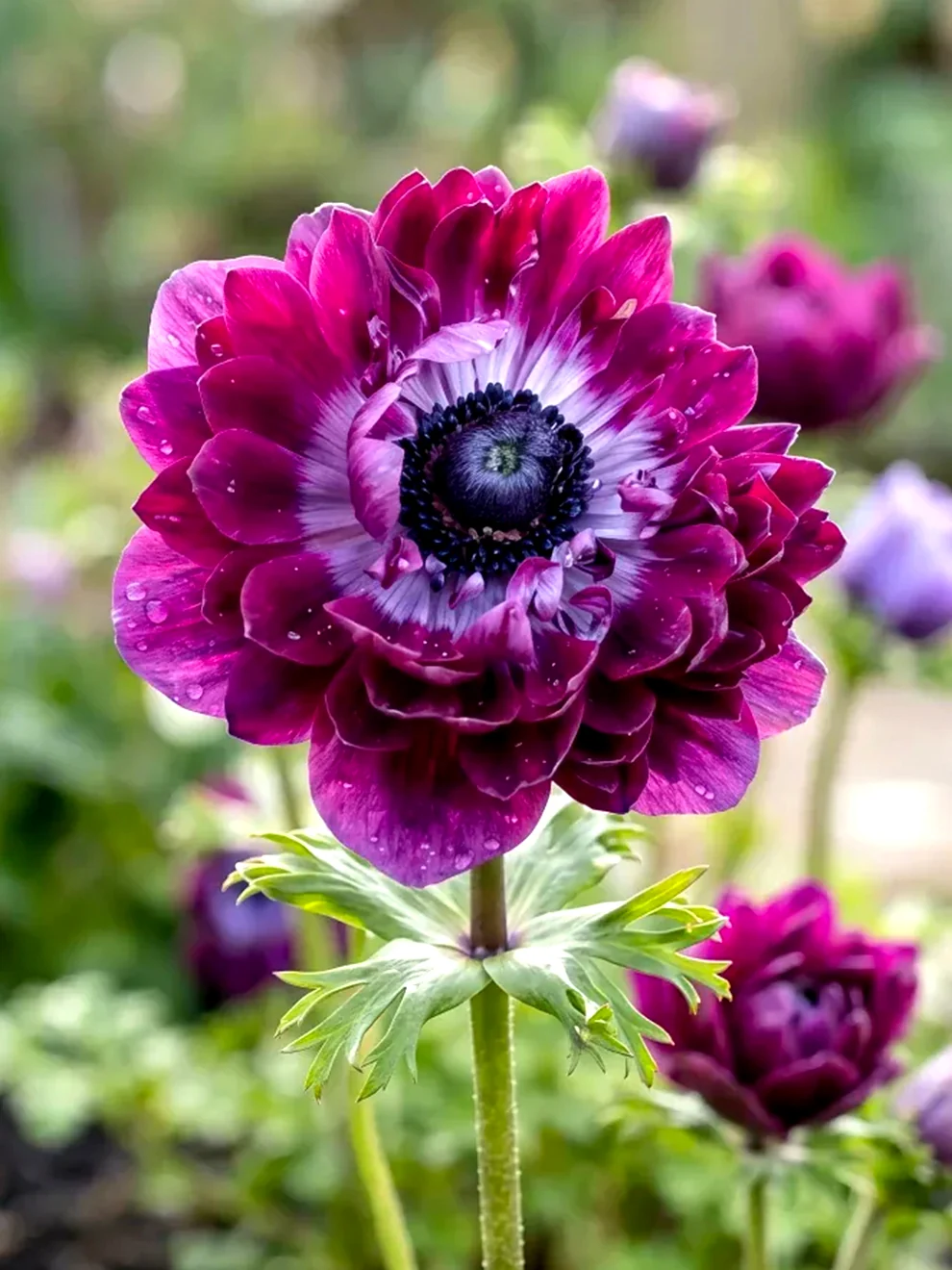
The range also includes plants with noticeably different jobs. Anemone Fullstar Bordeaux is presented as a dark-flowered anemone, while Spigelia marilandica Little Redhead brings vivid tubular flowers and a more specialist perennial character. Product names and photos help establish the visual idea, but the important decision comes from each listing’s growing notes. See Anemone Fullstar Bordeaux and view Spigelia Little Redhead in their UK product pages before deciding how they fit together.
- Choose by planting season first, then narrow by colour and form.
- Compare each listing’s stated light and moisture preferences with the actual planting site.
- Use the product page to confirm the current season and delivery schedule before placing an order.
Growing notes make the product pages more useful
In the reviewed product information, Trollius Orange Crest is described as a compact globeflower with yellow-orange blooms, suitable for borders, smaller gardens and pond edges. The listing says it prefers humus-rich soil that stays consistently moist, and flowers in late spring to early summer. Those details give a buyer a meaningful fit check rather than relying on a colour photograph alone. Review the Trollius Orange Crest listing for its full growing notes.
The advice is especially relevant here because suitability is conditional. A gardener with a reliably damp edge may find the description promising; someone with a dry, sunny border would need to account for regular moisture or choose another plant. The stated height and spread can also help with placement, but local conditions affect eventual growth. This is a useful product-page level of guidance, not a guarantee that every garden will produce the same result.
For contrast, Spigelia marilandica Little Redhead gives the range a less familiar perennial option. Its listing describes red tubular flowers and provides site and cultivation notes that help distinguish it from a standard bulb purchase. We would treat specialist plants as decisions to research carefully: check hardiness, light and soil notes and consider whether the rest of the border can support its needs. Check the Little Redhead product details before adding it to a mixed order.

The breadth asks buyers to do some editing
The catalogue’s main limitation is the same feature that makes it useful: choice. A large assortment can be inspiring, but it also increases the chance of buying plants for their appearance without noticing that their planting periods or moisture preferences differ. A border assembled from attractive product photos still needs a coherent plan for height, flowering sequence and site conditions.
There is also a seasonal element to bulb retail. A product may be listed for a particular planting period, and availability can change as the season progresses. The UK storefront provides shipping schedule and shipping cost pages, alongside a grow guarantee page; readers should consult the current terms and delivery information directly rather than assume every listing has identical timing or coverage. Check the store’s planting options and read the UK growing information before committing.
- Start with the garden conditions you can offer, not a colour theme alone.
- Check current stock, planting season and delivery details on each relevant UK listing.
- Keep the final selection small enough to compare care needs and flowering times.
The store suits planners more than impulse buyers
We see DutchGrown™ as a good fit for gardeners who like browsing named varieties, planning seasonal planting and checking individual care requirements. The catalogue lets a reader move between bulbs and other plant formats, while detailed listings can make the final selection more informed. Its family-farm and grower-sourcing story is part of the brand’s positioning, and its UK site provides customer information alongside the product range.
It is a less straightforward choice for someone who wants a ready-made planting scheme with every combination and aftercare decision settled. The broad range requires comparison, and some plants have specific conditions. The brand’s guarantee may offer reassurance, but its terms should be read as written; it does not remove the need to select plants for the right site. Browse the DutchGrown UK range to check which options are currently presented for your season.
Ready to choose plants for your garden?
Our recommendation is to shortlist DutchGrown™ if you want a wide UK catalogue and are prepared to match each plant to your own conditions. The product information is most useful when you read beyond the photograph and compare season, soil, light and moisture. One limitation remains: range and detail do not amount to a tailored planting plan, so buyers still need to do that last step themselves.
Start with one or two listings that suit your site, then confirm current availability and delivery information on the store. For example, the specific growing needs listed for Trollius Orange Crest make it a better candidate for a damp edge than a dry border. Explore the wider UK catalogue if you want to compare it with other plant types.
DutchGrown is worth considering for planned planting and broad choice, provided you check every plant against your garden’s conditions.

