


Share This Article
Autumn is when next spring’s flower display starts taking shape. If you are choosing bulbs now, the useful question is not simply which flower looks good in a photograph, but how its height, colour and preferred conditions will fit your border or containers.
We reviewed the UK pages at DutchGrown™ for options across tulips, daffodils and alliums, helping plan a spring sequence rather than choosing colour in isolation.
Some links in this article are affiliate links: if you make a purchase through them, we may receive a small commission.
Before you read on
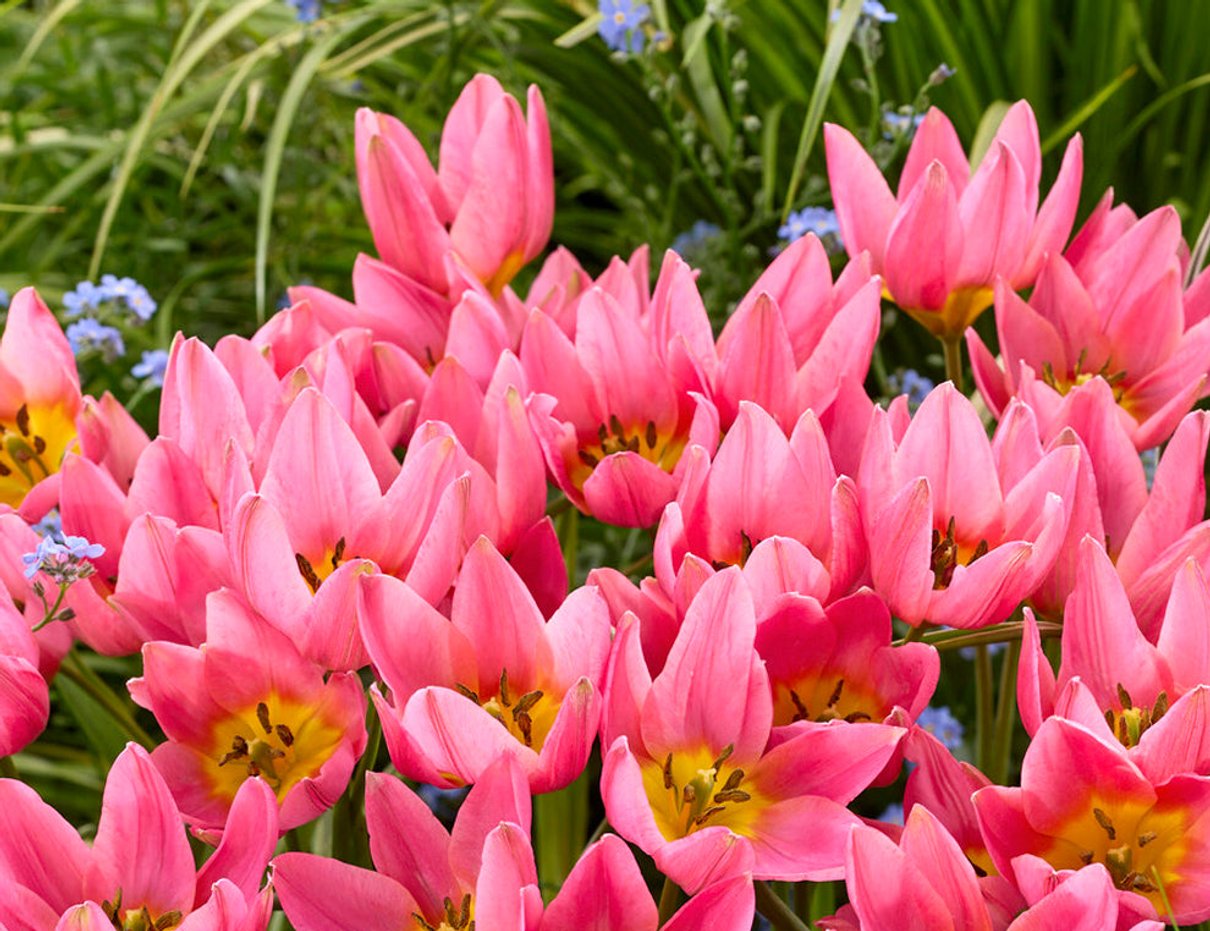
- Tulip Daniella brings compact, star-shaped mauve-pink flowers with crimson markings.
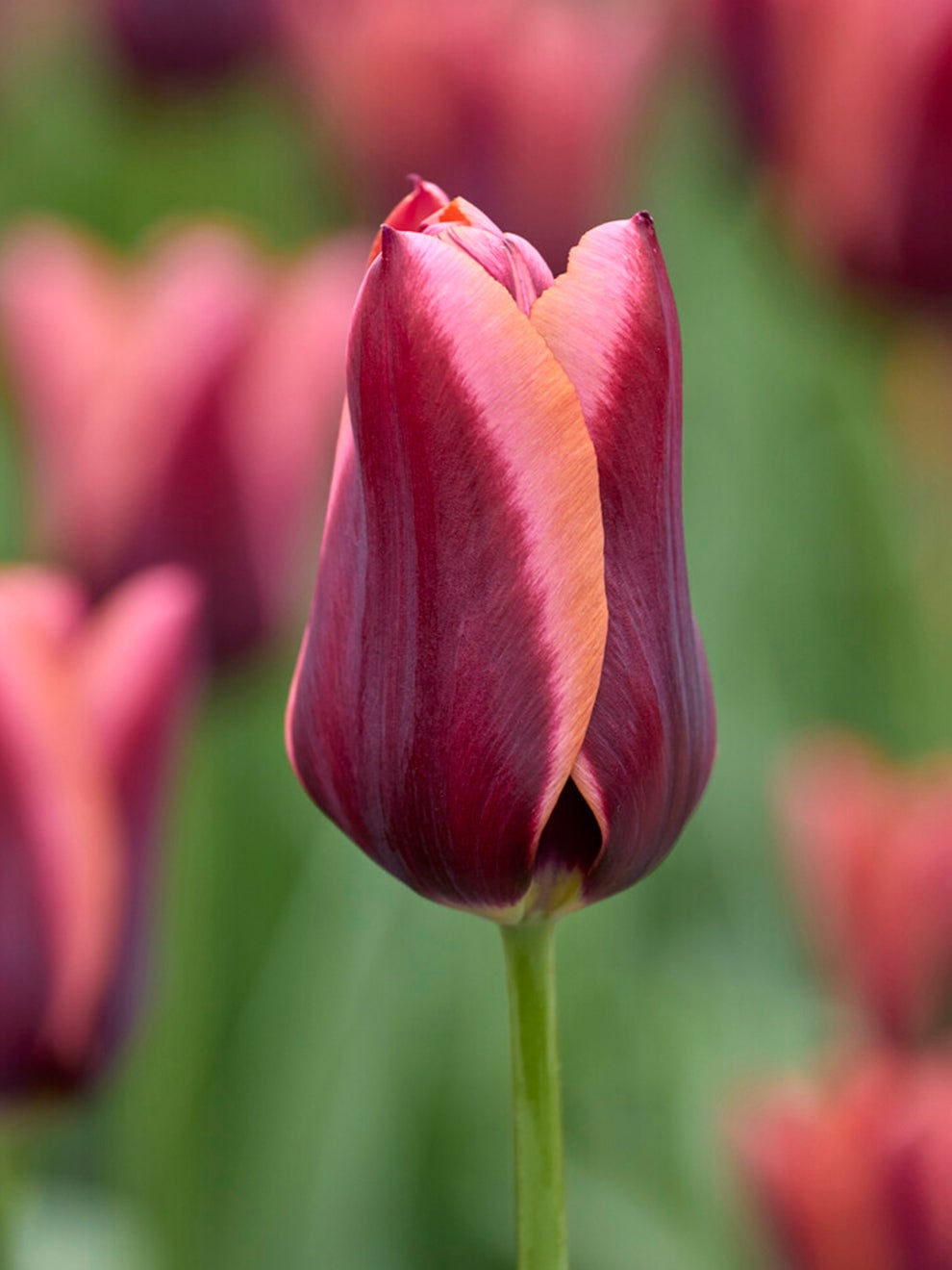
- Tulip Slawa pairs dark purple petals with warm apricot and copper edges.
- Tulip Little Beauty suits a border front, gravel garden or container where height matters.
- Choose for your light and drainage first, then confirm current availability and planting notes on the UK product page.
Bulbs are a forward-planning purchase: colour arrives in spring, planting happens in autumn. The DutchGrown™ autumn bulb selection brings together early planning choices, but each variety has its own scale and character. Product pages can help narrow the field; the right choice still depends on what your garden can offer.
Tulip Daniella brings a natural shape to sunny edges
Tulip Daniella is a Tulipa clusiana species with mauve-pink petals and a crimson flame. Flowers open star-shaped in sunshine and narrower in cool light. Its compact stems, listed around 20 to 25 centimetres, suit sunny border fronts, gravel gardens or pots.
Daniella is also described as naturalising, meaning bulbs may multiply over time when conditions suit. That makes it more relevant to a gardener hoping for a recurring display than to someone seeking a uniform one-season bedding effect. The trade-off is scale: its smaller flowers need to be planted in a group to register clearly from a distance. See the Daniella growing notes and current availability before deciding how many to use. Sun and sharp drainage are central to the conditions listed for this variety.
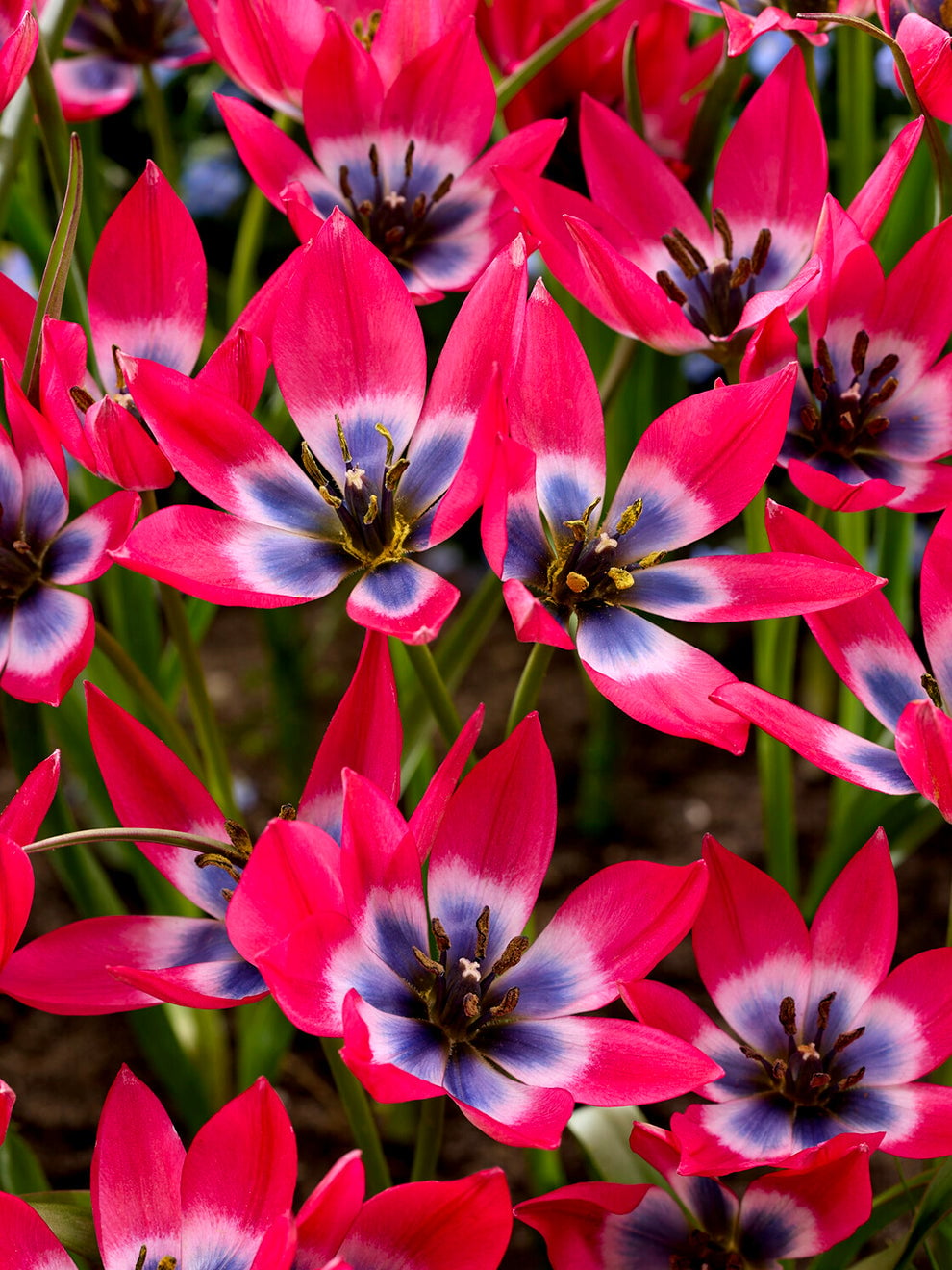
For a similarly low-growing option, Tulip Little Beauty reaches around 10 to 15 centimetres. Cherry-pink petals frame a steel-blue centre with a white ring. Check the Little Beauty product details for a compact focal point with a blue and white centre.
Slawa uses contrast for a stronger spring focal point
Tulip Slawa offers a different role. This Triumph tulip opens dark purple, then shows apricot, copper and warm orange at the petal edges. The combination gives a planting more depth than a single flat colour, and its sturdy, cup-shaped stems also make it a candidate for cutting. The page describes it as naturalising, though repeat performance depends on garden conditions and care.
The limitation is its assertive colour. Slawa can anchor a group, but it may dominate a soft pastel scheme if planted without a connecting colour nearby. Pairing it with cream or pale pink bulbs is one way to make the transition deliberate. Check the Slawa listing for current stock information; availability can change during the seasonal ordering period. Colour contrast is its main strength, so give it room to read clearly.
Three bulbs serve different spring planting jobs
These options are not interchangeable. Use the table to match the variety to the job, then open the linked product listing for the current UK details. We recommend treating height and colour as starting points. Drainage and light decide suitability.
| Bulb | Best suited to | Published detail |
|---|---|---|
| Tulip Daniella | Sunny edges and gravel gardens | Compact, naturalising species tulip |
| Tulip Slawa | Colour contrast and cutting | Dark petals with copper-orange edges |
| Tulip Little Beauty | Containers and low planting | Very compact with a blue centre |
- Low and natural: shortlist Daniella for sunny edges.
- Small and distinctive: consider Little Beauty in a container or gravel bed.
- Dark with warmth: use Slawa where bold contrast suits the palette.
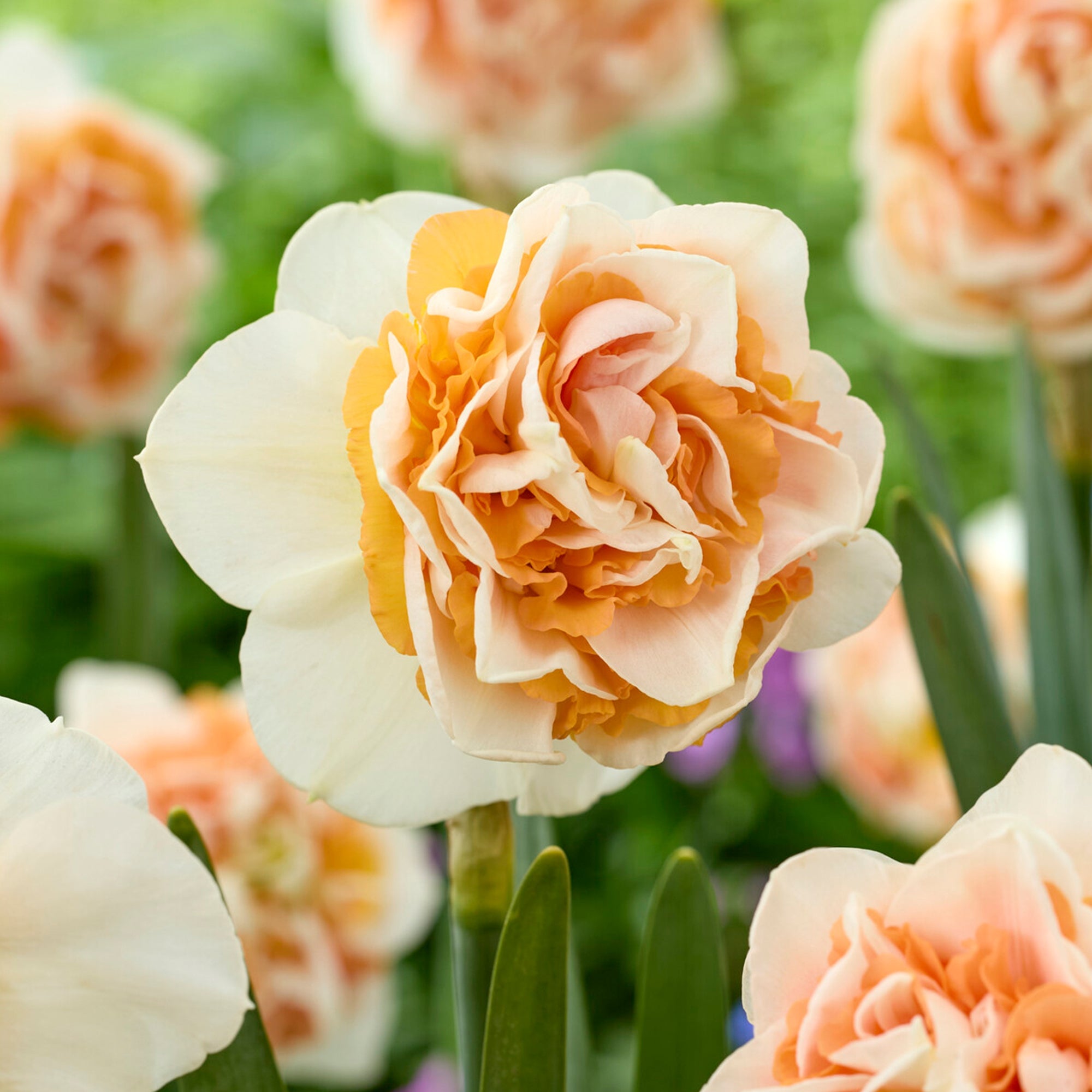
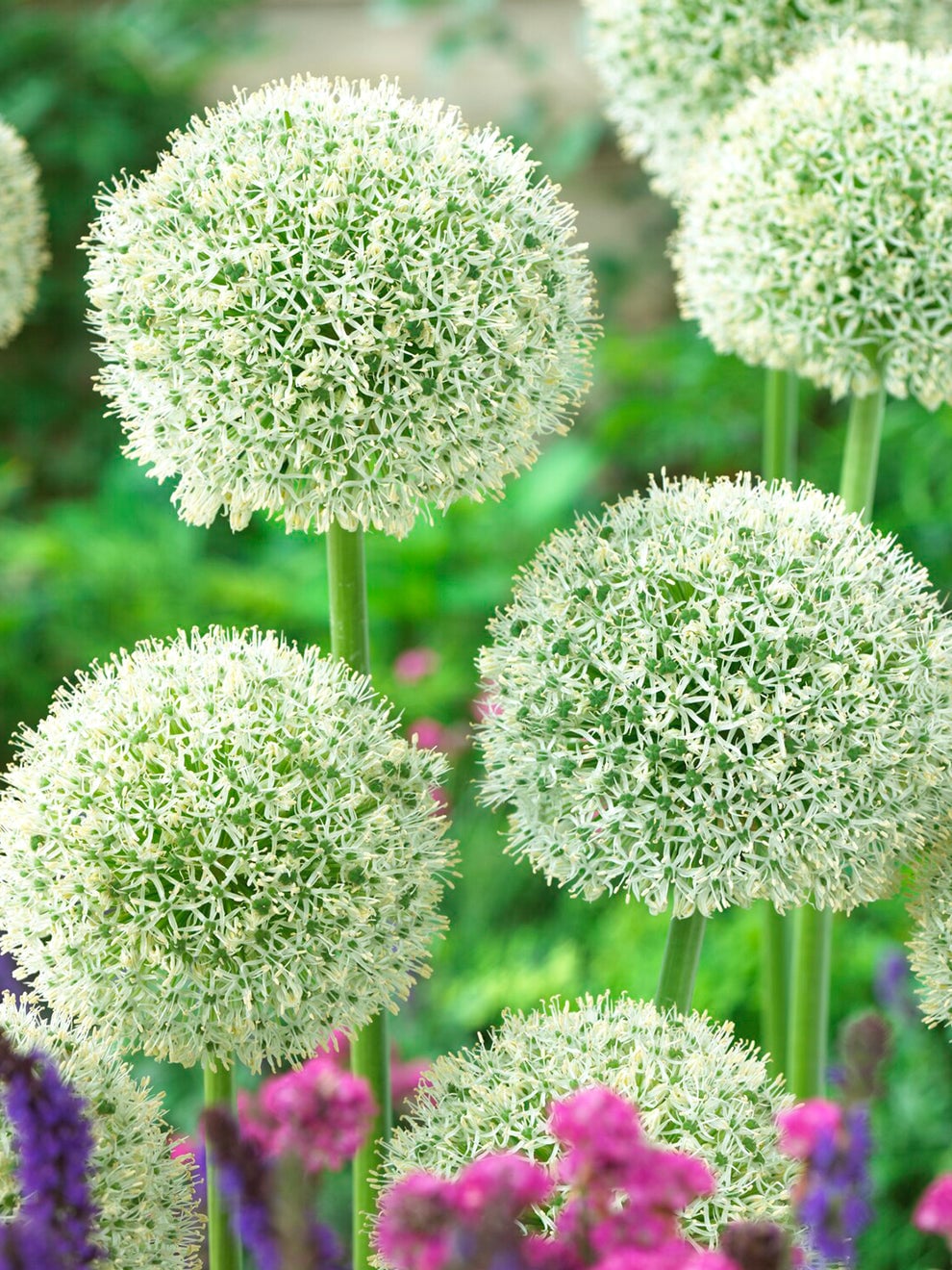
For a longer sequence, Daffodil Break Out adds a creamy double flower; Allium White Giant adds rounded white heads and late-spring height. Confirm timing and mature height on each listing.
Product pages show how widely the range can vary, from low planting to taller accents: from compact tulip choices at the front of a border to taller alliums that work further back. If you are building a colour plan, write down the flowering period and mature height for each selection. This simple note helps prevent a short variety from disappearing behind foliage or a tall flower from obscuring a smaller one.
Autumn planting depends on drainage and placement
DutchGrown’s UK guidance recommends autumn tulip planting, often October or November, in sun or partial shade. Its general rule is depth around three bulb sizes and spacing around two, pointed end up. Check the UK tulip range for variety details and use variety-level guidance.
- Choose a site that gets sun or partial shade appropriate to the variety.
- Check that soil drains freely; prolonged waterlogging is a poor fit for tulip bulbs.
- Use the bulb’s own size to guide depth and spacing, rather than planting every variety at a fixed measurement.
- Keep a note of colour, height and flowering period so the spring layout stays balanced.
Containers make it easier to control the mix and move a display, but they dry and freeze differently from open ground, so drainage holes and suitable compost matter. In a border, avoid placing bulbs where heavy winter wet collects. If your garden is exposed or the soil is dense, look up the variety’s instructions and consider whether a raised bed or container gives it a better chance. Read the planting guidance alongside the product page, since a general rule cannot account for every soil or microclimate.
Cost depends on the variety, pack size and how many bulbs you need for a visible group; exact listing details can also change with seasonal stock. Rather than comparing unlike pack formats, first decide how much area you want to plant, then review the current selection for that variety. The DutchGrown™ shop pages are the place to confirm availability and current product information. We would not buy a colour combination before checking those practical details. Plan for a group, not one bulb, if you want the flowers to read as a display.
Ready to plan your spring colour?
For a low-growing, naturalistic display, start with Daniella or Little Beauty; for a more graphic focal point, consider Slawa and use its warm edges to connect with paler flowers. DutchGrown™ is most useful here as a catalogue of distinct varieties with product-specific growing notes, rather than as a one-size-fits-all bulb solution.
Our recommendation is to choose by site first, palette second, then confirm stock and planting guidance on the UK listing. One limitation is that product photographs cannot show how the bulbs will perform in your soil or local weather, so success still depends on drainage, placement and seasonal conditions.
Choose Daniella for a compact natural look, Slawa for contrast, and plant only where drainage suits the bulb.

