



Share This Article
Portable power is easy to oversimplify. A small unit can be ideal for a phone and laptop, while a larger station may make sense for a campsite, van or short backup period at home. The difficult part is matching capacity and outputs to the way you will actually use them.
We reviewed the UK Jackery range as a set of practical options rather than a single winner. The brand sells portable power stations, solar generator bundles, solar panels and accessories, so the useful question is not simply whether Jackery is good. It is which combination gives you enough power without paying for bulk and capacity you will rarely use.
Some links in this article are affiliate links: if you make a purchase through them, we may receive a small commission.
Before you read on
- Explorer 100 Plus is the compact option for phones, tablets and light travel use.
- Explorer 1000 Pro is the larger step for campsite, van and backup workloads.
- Solar Generator 500 pairs a power station with solar charging for longer off-grid sessions.
- Pricing is shaped by capacity, outputs, charging methods and bundle contents, so check the UK store for the current figure.
Jackery makes portable power a range decision
The brand’s product pages are most useful when they state a concrete use case. The Explorer line is built around portable battery storage, while a Solar Generator listing brings the storage unit and solar hardware together. A shopper can therefore start with their devices and setting, then decide whether a station alone or a bundle is the better fit. Check Jackery’s current UK range
Explorer 100 Plus keeps the smallest setup easy to carry
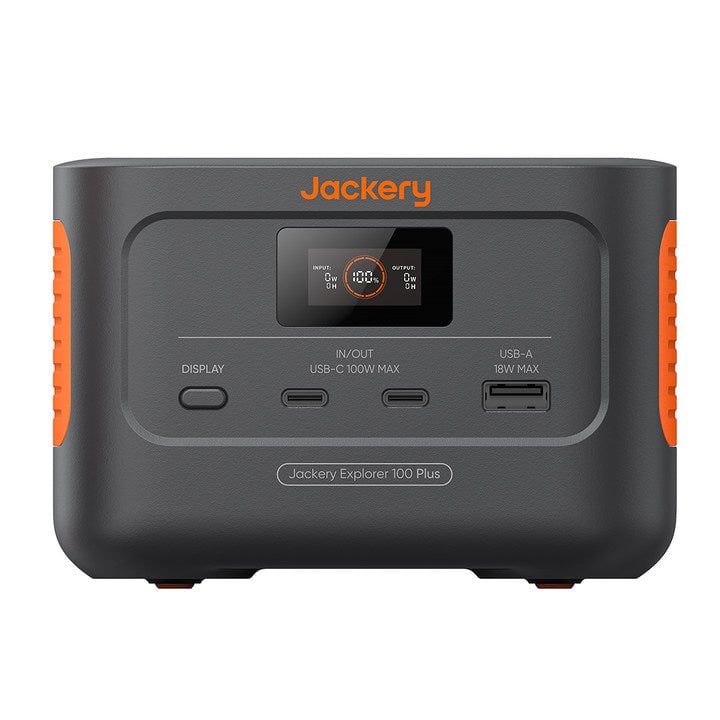
The Jackery Explorer 100 Plus is the clearest fit for readers who want a compact power reserve rather than a home system. The UK listing describes a 99Wh, 128W portable power station with a long-life LFP battery, battery-management protections and dual USB-C charging and discharging. Its airline-approved positioning and low weight also point to travel, study and day-trip use rather than high-draw appliances.
That small format is the strength, but also the limit. It is better suited to phones, tablets, cameras and selected laptops than kettles, heaters or cooking equipment. The product page lists the unit with accessories, which is useful for a ready-to-go kit, but readers should still check the included cables and their own device requirements. View the Explorer 100 Plus product page and compare its current listing before choosing a larger model.
- Best suited to: personal electronics, travel and light emergency charging.
- Key advantage: portable LFP storage in a compact format.
- Main limitation: limited suitability for high-draw appliances.
Explorer 1000 Pro gives bigger loads more headroom
The Jackery Explorer 1000 Pro moves the proposition towards camping, van use and short periods of backup at home. The physical format is larger and the price tier is higher because the store is selling more storage and output capability. That makes it more relevant when several devices need charging, when a trip lasts longer or when a small station would be running close to its limits.
The trade-off is straightforward: more headroom means more weight, more space and a larger financial commitment. We would not recommend choosing it simply because it is the biggest-looking option. Start with the devices you need to run, their wattage and how long you need them powered. See the Explorer 1000 Pro details before deciding whether its extra capacity is useful to you. The store’s current specification and bundle contents should be the final reference.
Solar Generator 500 makes solar input part of the plan
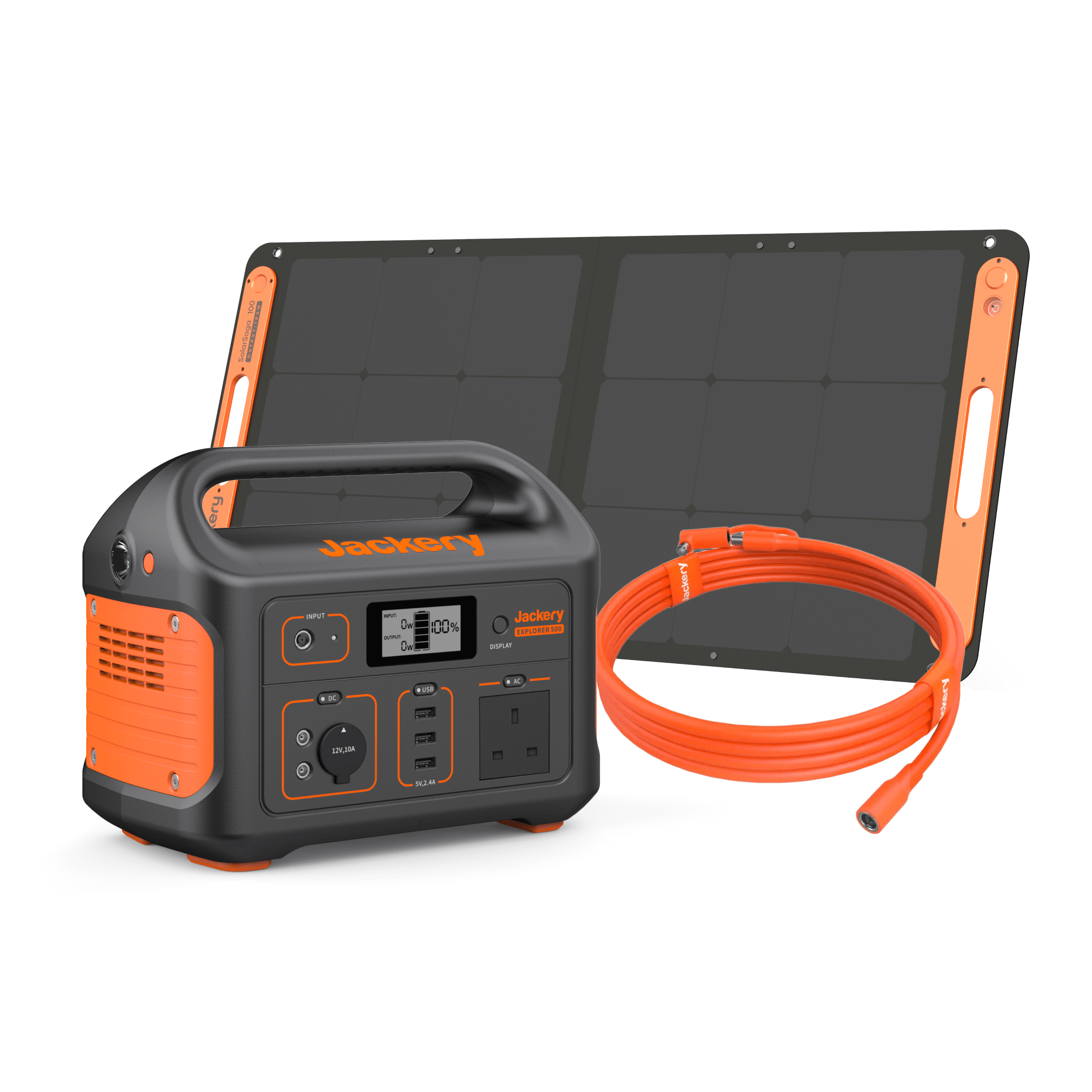
The Jackery Solar Generator 500 with Accessory Cable is aimed at readers who want a more complete off-grid setup. The product name signals the bundle logic: storage is paired with the hardware needed to connect it into a broader portable-power routine. That can be useful for camping, garden work and travel where access to mains power is inconsistent.
Solar charging is not a promise of constant output. It depends on panel choice, weather, orientation, daylight and the devices being used at the same time. The bundle therefore makes most sense for readers willing to plan around those conditions. Review the Solar Generator 500 listing and check the included accessories before assuming it contains every part of a complete solar array.
- Choose solar input when extending time away from mains power matters.
- Choose a station alone when convenience and plug-in charging are the priority.
- Check the bundle if you already own compatible panels or charging cables.
The range works best when the use case is specific
There are limits. Product names, accessories and bundles make direct comparison less immediate, and the weight and capacity jump between tiers may be more than a casual user needs. Solar equipment also rewards realistic expectations about weather and charging time. Finally, prices can move with stock, bundle contents and seasonal store changes, so a figure seen elsewhere should not be treated as a lasting reference.
- Match the station to the highest-draw device, not only the number of gadgets.
- Check output types, charging inputs, weight and included accessories.
- Decide whether solar charging is a real requirement or an occasional extra.
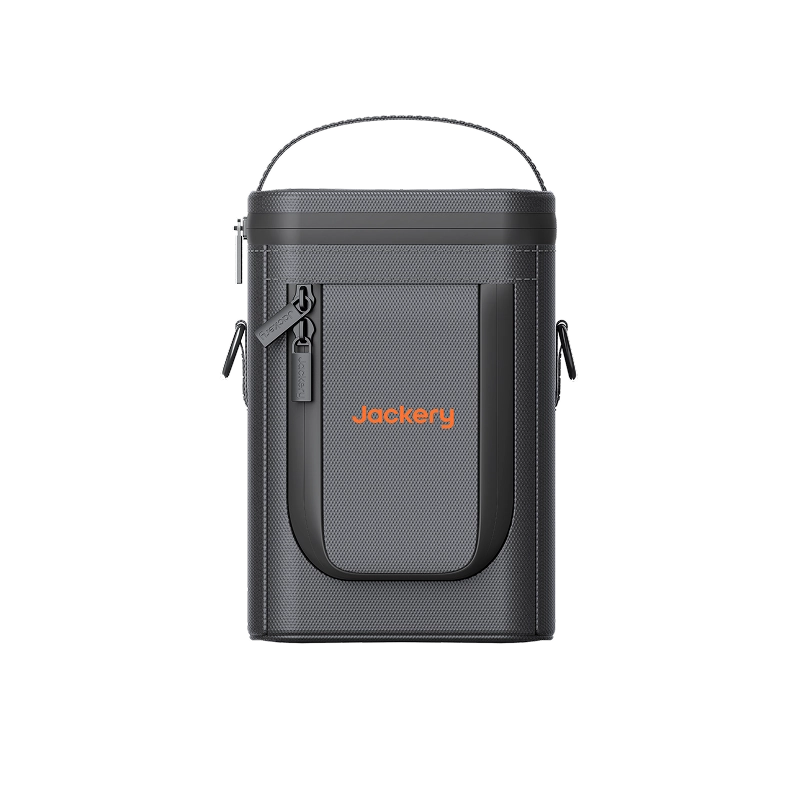
- Leave room for protective storage and cables if the station will travel often.
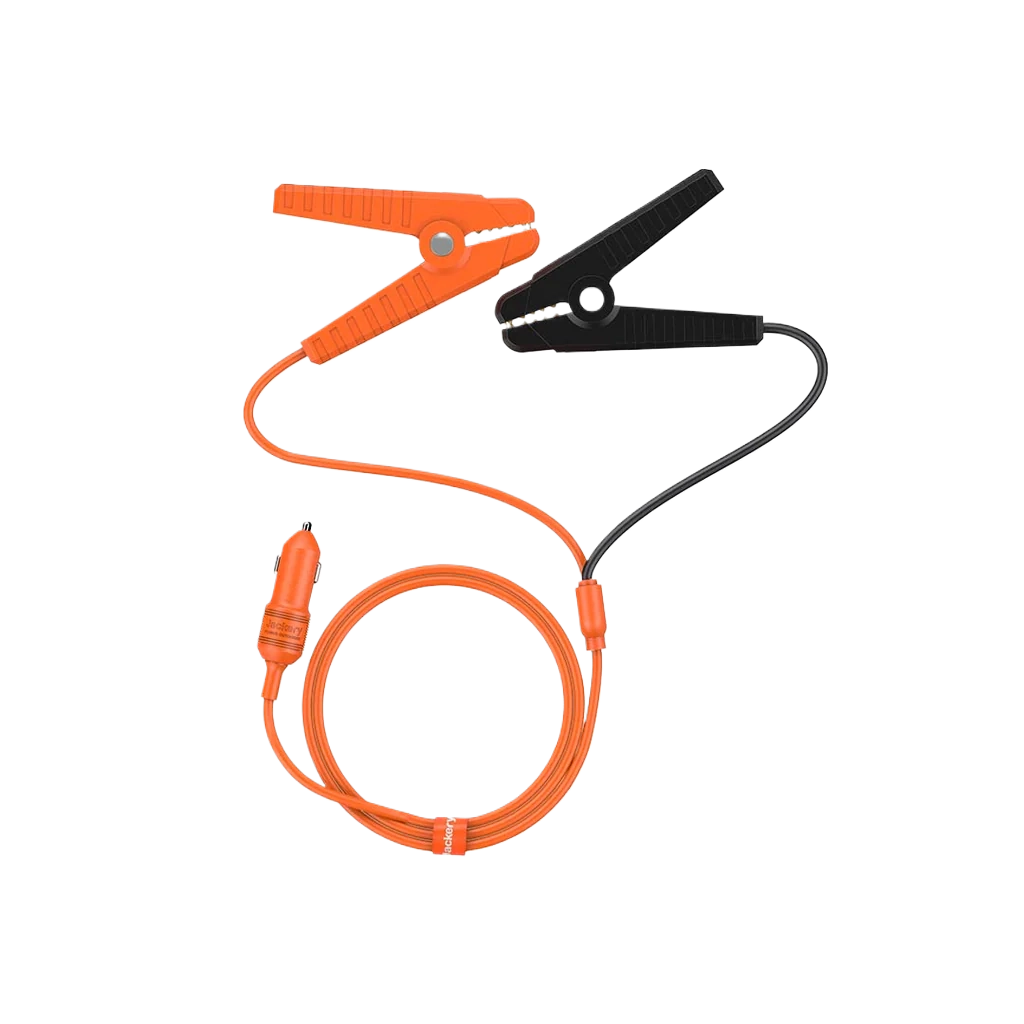
For vehicle-related emergencies, the store also lists a 12V car battery charging cable with clamps. That is a specialist accessory for compatible 12V lead-acid batteries, not a universal solution for every vehicle or an electric-car charger. Read the compatibility wording carefully before adding it to a kit. View the Jackery accessory range
Ready to choose a Jackery setup?
We recommend Jackery to readers who can name the devices, setting and duration they need to cover. The Explorer 100 Plus is the sensible compact route; the Explorer 1000 Pro is the more capable travel and backup option; and the Solar Generator 500 is the better fit when solar-assisted time away from mains power is central to the plan. Check the Explorer 100 Plus, compare the Explorer 1000 Pro, or review the Solar Generator 500, then confirm the current specifications and store listing.
The honest limitation is that a larger Jackery setup is not automatically better. It costs more, takes more room and may duplicate equipment you already own. For occasional phone charging, the smallest model can be enough; for appliances or extended backup, size the system carefully rather than relying on the product name alone.
Jackery is worth considering when its range is matched to a specific power need, with the Explorer 100 Plus best for light travel and larger systems reserved for genuine higher-demand use.

