


Share This Article
I have spent enough time comparing ferry crossings to know that the cheapest headline fare is rarely the whole story. You also need to think about the ship, the hours onboard, your travelling companions and how much faff you want at either end. So I reviewed the public route and ship information for Irish Ferries, focusing on what a real UK traveller can actually choose. My short version: it is a particularly convincing option for a car trip to France, but the best experience depends on booking the right accommodation and not treating the crossing as an afterthought.
My review criteria were simple: route usefulness, onboard comfort, facilities, family and pet practicality, and how clearly the site explains the choices. I checked the dedicated Dublin to Cherbourg route page, the ship pages and the stated cabin and facility options. Prices are not fixed products here: the fare changes with dates, vehicle, passengers and accommodation, so I have marked where you need to check a live quote.
What Irish Ferries actually offers
Irish Ferries is a passenger and car ferry operator serving Ireland, Britain and France. Its useful distinction is that you are choosing more than a ticket: you are choosing a named ship, a route and an onboard setup. The site highlights direct Ireland to France sailings, Britain to France travel, cabins, food, shopping and pet-friendly arrangements. That makes it feel closer to planning a small moving hotel than hopping on a commuter boat.
- Direct car travel can make a French road trip easier, especially with luggage or sports kit.
- Named ships give the booking more character and different facility mixes.
- Cabin choice matters on longer crossings, with inside, window and upgraded options visible on the ship pages.
- Pet facilities are a meaningful advantage for travellers who do not want to fly.
The catch is that the homepage is busy and fare information is quote-led. You need to put in your exact journey before you can sensibly judge value. I would not trust a generic “from” price as a final budget; use the live booking flow and compare the total with and without a cabin.

The ships: the choice is more than decoration
The clearest strength in my research was the amount of detail on the individual ship pages. Ulysses is presented with cabins, Club Class seating, a cinema, reception, shopping and family-friendly spaces. That is the sort of information I want before paying for a crossing, because it lets me match the ship to the people in the car. The downside is that not every route gives you complete control over the vessel, so check the sailing details rather than assuming the biggest ship will operate. I would also scan the current sailing choices before getting attached to one ship.
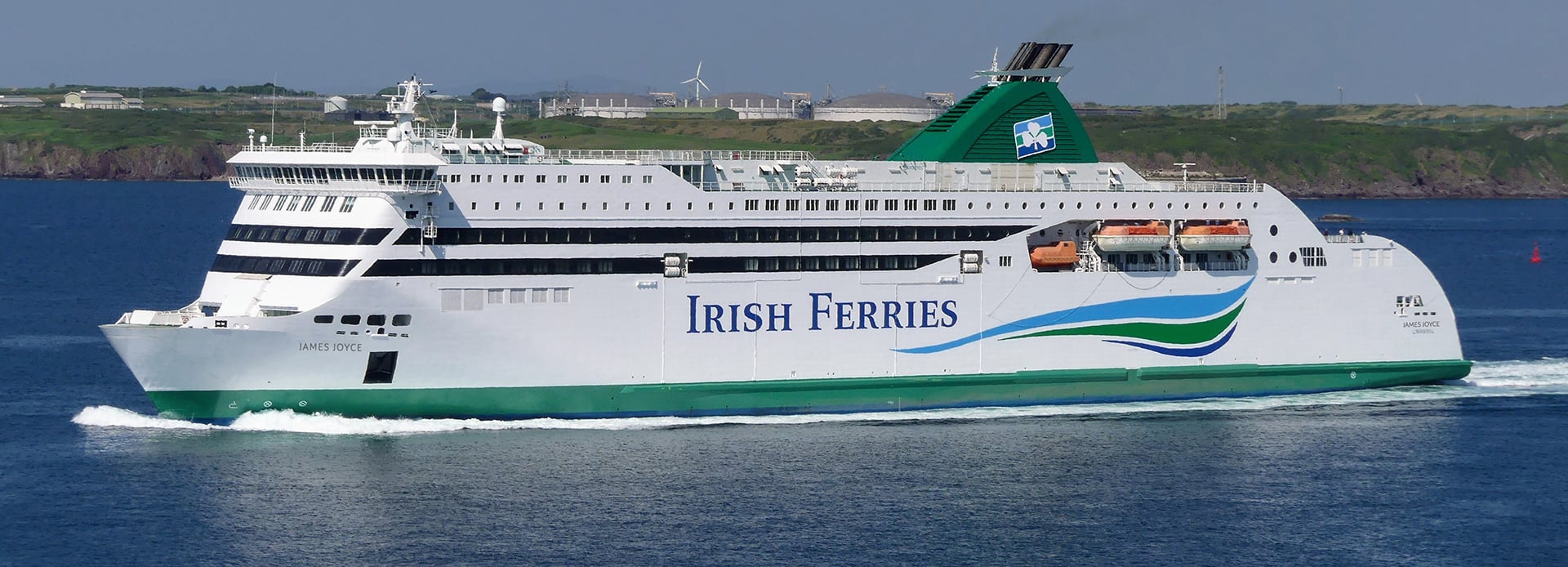
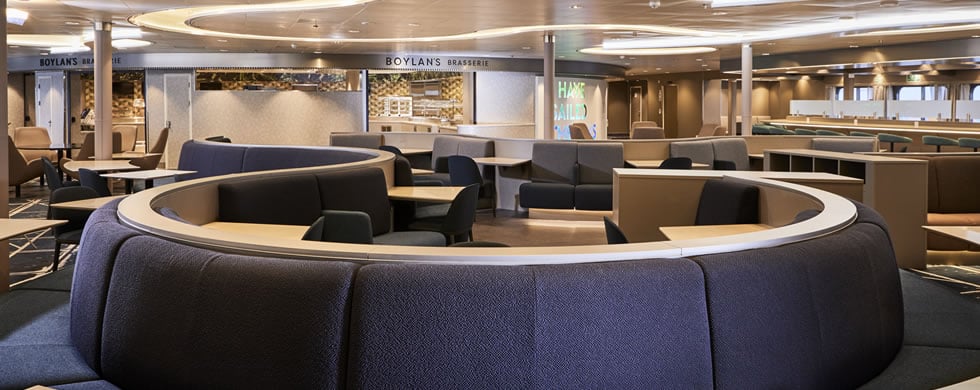
James Joyce is another concrete option, with Boylan’s Brasserie, Club Class, a children’s play area and a dedicated pet den shown on its page. That combination looks particularly practical for a family or a long drive with a dog. I like that the facilities are described as part of the ship rather than buried in vague “premium experience” language. Still, the photos are not a substitute for checking opening times and what is included in your fare. The James Joyce facilities page is worth opening on mobile before you travel.
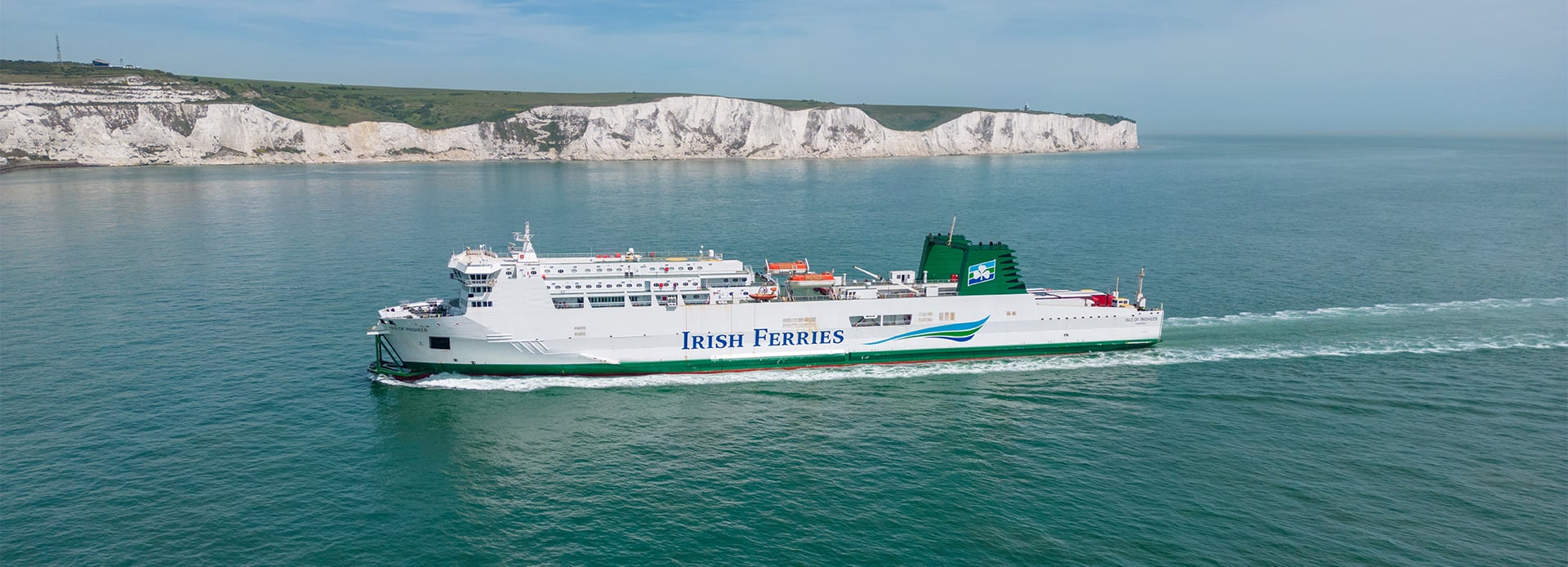
Isle of Inisheer gives the range a different feel. Its page shows two- and four-berth cabins, including window and pet-friendly configurations, plus a drivers’ lounge and onboard dining. For me, that is a strong choice when the cabin is the priority rather than having the fullest entertainment offer. The practical decision is to select the accommodation that solves your particular problem: sleep, privacy, a view or travelling with an animal. See the cabin options before you build your budget.
- Choose the route first, then see which ship is scheduled.
- Compare a standard seat with a cabin upgrade for the full crossing.
- Check pet and vehicle rules before paying, not at the port.
These are genuine booking choices, not interchangeable product cards. The Irish Ferries route search is therefore more useful than shopping by ship name alone. My verdict on the fleet is positive: there is enough range to make the crossing feel tailored, but the booking interface still asks you to do a little homework.
Cabins, food and the details that change the trip
A cabin is the upgrade I would investigate first. On a daytime sailing it may feel unnecessary, but on an overnight trip a bed, private space and the ability to shut the door can be worth more than squeezing the fare down. Window cabins also make the crossing feel less like dead time. I would price the cabin both ways, because the difference can be surprisingly reasonable on some dates and painful on others.
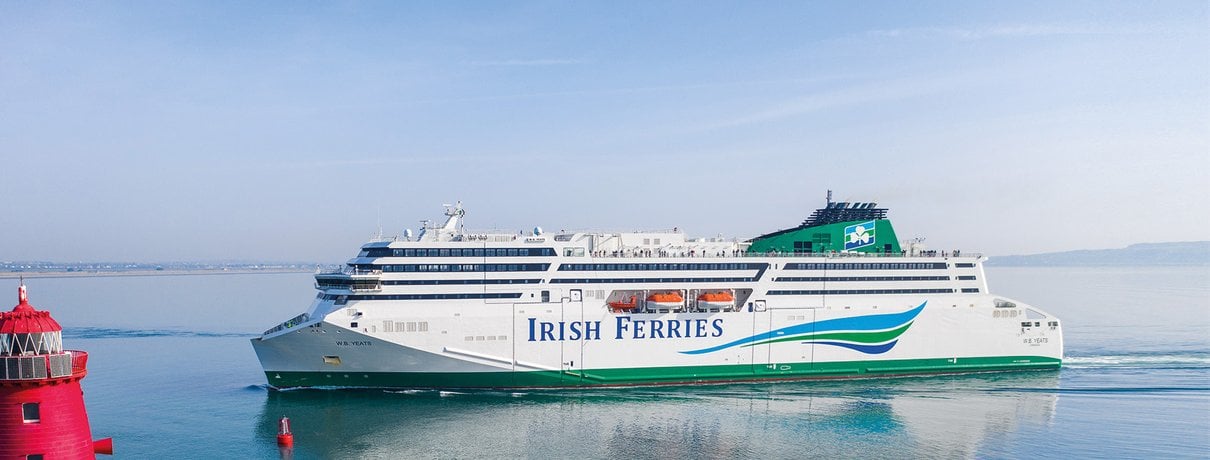
Food is another area where expectations need to stay realistic. The ships list cafés, bars and onboard dining options, including Boylan’s Brasserie and Café Lafayette on W.B. Yeats. That gives you choice, and it is much nicer than relying entirely on sandwiches packed at home. But a ferry restaurant is still a ferry restaurant: I would treat it as convenience and atmosphere, not a destination meal. The useful win is being able to eat, stretch your legs and break up the journey.
- Best for sleep: a private cabin on an overnight crossing.
- Best for a view: a window cabin or time on the outer deck.
- Best for families: a ship with play space and easy food access.
- Best for pets: check the pet-den or pet-cabin arrangement on the assigned ship.
Pet travel is one of Irish Ferries’ strongest practical points. The James Joyce page makes the pet den visible, while Isle of Inisheer shows pet-friendly cabin options. That transparency is reassuring, although owners should still read the route-specific rules, documentation requirements and check-in instructions. A pet-friendly ship does not mean every sailing or every cabin type is automatically available, so I would reserve this early through the booking page.
Pros, cons and who I think should book
The pros are tangible: you can take your own car, bring more luggage, choose a cabin, keep a pet journey in the mix and arrive with the freedom to drive on. The ship pages also make the onboard experience feel more considered than a bare transport service. For a family, camper or couple planning a longer French trip, those benefits can outweigh a lower flight fare once transfers, bags and car hire are included.
The cons are equally real: live pricing is variable, the website can feel information-heavy, crossings take longer than flying and the final experience depends on the assigned sailing. You also need to price the whole trip, including fuel, port access, food and any cabin. The company is not promising a boutique cruise, and it would be misleading to review it as one. This is comfortable, functional travel with a few genuinely nice touches.
- Book it if: you want your own car in France or need flexible luggage.
- Consider it if: you are travelling with a dog and value a calmer journey.
- Think twice if: your only priority is the fastest possible arrival.
- Price carefully if: you need a cabin, premium seating or a fixed travel budget.
For a first search, I would start with the Dublin to Cherbourg details if France is the destination, then cross-check the James Joyce facilities, Ulysses accommodation and Isle of Inisheer cabins. That sequence gives you a much more honest picture than judging a fare tile in isolation.
After researching the options, I would choose Irish Ferries for a relaxed, car-led trip where the crossing is part of the journey. I would not choose it solely to save time. The evidence points to a flexible, well-equipped service, with the main caveat being that you must check the live fare and exact sailing details.
Irish Ferries is worth booking when the car, cabin and pet-friendly flexibility make the crossing itself part of the value.

