



Share This Article
I have a soft spot for a beautifully organised drawer, but I am also suspicious of anything described as a lifestyle essential. That is why MUJI is interesting. Its promise is not loud branding or a rapid trend cycle. It is a wide edit of useful clothing, storage, stationery, beauty and homeware built around restrained design. The real question is how that approach compares with the high street, IKEA-style storage and more fashion-led alternatives when you are spending actual money.
After looking at the UK range, my short answer is that MUJI is strongest when function and visual calm matter more than the absolute lowest price. Some products are excellent value, some are plainly premium, and availability can be patchy. Here is where it earns the difference.
What makes MUJI different from typical alternatives?
The appeal is consistency. A supermarket home aisle might be cheaper, and a trend retailer will give you more colour, but MUJI makes the everyday pieces feel as though they belong together. The brand focuses on materials, proportion and repeatable systems rather than putting a giant logo on the front. That makes it particularly appealing for small flats, capsule wardrobes and anyone who wants their home to look composed without turning it into a showroom. You can compare the current edit before making a list.
- Understated design: neutral colours and simple shapes are easy to combine.
- Useful variety: one shop covers clothing, furniture, food, skincare and travel.
- System thinking: storage and stationery are designed to work in families.
- Practical details: sizes, dimensions and material information are usually clear.

MUJI vs high street clothing
Against a typical high street jumper, the Unisex Soft Polyester Blend Jumper is a good example of the trade-off. The UK listing showed it at £31.95 on sale, against a displayed standard price of £79.95. The soft polyester blend and relaxed unisex shape are geared towards easy layering, not a dramatic seasonal silhouette. That is a better proposition than a very cheap knit that pills after a few wears, provided you like the quiet fit and can find your size.
Fashion-led alternatives win on choice and immediate trend appeal. They may also beat MUJI during a deep clearance event. But MUJI wins for a repeat-wear wardrobe: neutral clothing is less tied to one season, and the lack of prominent branding makes the pieces easier to mix with what you already own.
There is also a comfort question. A budget knit can look similar on a product page, but the real test is how it feels during a long commute, how it washes, and whether you reach for it next winter. MUJI does not eliminate that uncertainty, and its minimalist cut will not suit everyone. It does make the buying decision pleasantly straightforward: inspect the fabric, check the measurements, and decide whether the price fits your intended number of wears. Check the jumper listing while the sale price is visible.
- Choose MUJI if you want low-fuss layers and a calm palette.
- Choose the high street if trend variety or a very low entry price comes first.
- Check the fabric composition and measurements before assuming every piece is natural fibre.
My clothing verdict: browse MUJI clothing when you are building a capsule, but wait for a promotion if the standard price feels ambitious.
MUJI storage vs IKEA and budget homeware
This is where the comparison gets more nuanced. The Stainless Steel Shelving Unit – Width 58 cm – 4 Tier was listed at £319. That is not a casual impulse buy, and IKEA has more obvious budget options for a whole room. MUJI’s case is its slim, modular-looking presence and the sense that the unit is furniture rather than a temporary fix. See the homeware range if you are comparing finishes.
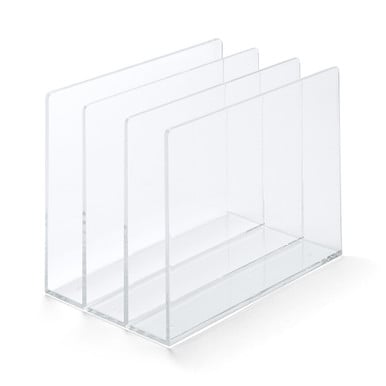
At the other end, the Acrylic 3 Partition Shelf – S was showing at £4 sale price, with an £8.95 standard price. It is a much more convincing value play for a desk, bathroom shelf or small cupboard. Compared with generic plastic organisers, clear acrylic keeps the contents visible and feels less visually heavy. View the small storage options for similar pieces.
- For a full storage wall, compare total cost with IKEA before committing.
- For small zones, MUJI’s compact organisers are easier to justify.
- Measure first, especially with shelving, doors and delivery access.
- Think about replacement pieces if you expect to expand later.
The small products that make the range work
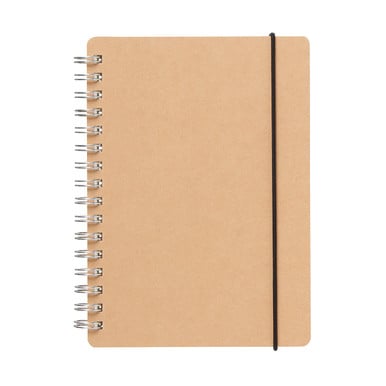
A comparison should not only focus on expensive hero pieces. The High Quality Paper Double Ring Notebook with Dot Grid A6 was listed at £4.95. That is competitive with a decent stationery shop notebook, while the A6 format, double rings and dot grid make it genuinely useful for lists, sketches and travel planning. It is the kind of small purchase that explains the brand’s staying power.
The same logic applies to MUJI’s beauty, travel and food categories. You can find cheaper basics elsewhere, but the wider MUJI edit makes it simple to build a coordinated everyday kit. The catch is that stock and prices move, and a product marked down today may not be available when you return next month. Browse the lifestyle categories before you decide.

Who should choose MUJI?
I would recommend MUJI to shoppers who value cohesive design, compact living and products that do their job without visual noise. It is particularly good for a considered refresh: one organiser, one notebook, one reliable layer, rather than a trolley full of things you did not plan to buy.
- Best fit: capsule wardrobes, renters, tidy desks and small-space storage.
- Think twice: if lowest price, bold colour or instant availability is essential.
- Best strategy: compare dimensions, check the current price and buy the pieces you will use repeatedly.
So, is MUJI worth it? For the £4 to £5 stationery and organiser pieces, usually yes. For furniture, the answer depends on whether the design and modular feel justify paying more than a budget alternative. For clothing, I would choose it selectively and look for sale pricing. That is an honest recommendation, but it is still a recommendation.
MUJI is worth choosing when calm design and dependable everyday function matter more than the cheapest possible price.

