


Share This Article
I have become suspicious of wellness shelves that promise to fix everything with one pastel bottle. So I approached Happy V with a fairly practical question: does this range make women’s health easier to navigate, or does it simply add more products to the bathroom cabinet? The brand positions itself around science-backed, gynecologist-recommended formulas for vaginal, gut, urinary and hormone health, and says it has served more than 1,000,000 customers. Those are meaningful claims, but they are still claims, so this is my independent read of the range, not a substitute for medical advice.
My first impression is that Happy V has a clearer job for each product than many generalist supplement brands. The site groups products by a recognisable concern, displays one-off prices alongside subscribe-and-save options, and gives shoppers a quiz if they do not know where to start. That lowers the initial friction. It also creates a risk: the more targeted the promise, the more important it is to check the label, dosage and suitability for your own situation.
How I assessed the range
I looked for specifics rather than vibes: a clear intended use, a price that is visible before checkout, a format I could imagine using consistently, and sensible boundaries around what a supplement can realistically do. I also considered whether the products work as standalone purchases or whether the merchandising nudges you toward a kit before you know what you need.
- Clarity: is the use case understandable at a glance?
- Routine fit: will the format make daily use easy?
- Value: does the price make sense for the number of servings?
- Evidence language: are benefits framed with appropriate restraint?
One thing I liked immediately is the breadth without pretending every product is interchangeable. Prebiotic + Probiotic is aimed at vaginal pH and gut support, while Debloat + Digest is positioned around digestion. That distinction matters. A probiotic is not a universal answer to bloating, and a product marketed for urinary comfort is not a treatment for an infection. The best part of this range is its organisation; the part requiring the most consumer discipline is deciding which concern is actually yours.
The products that stood out
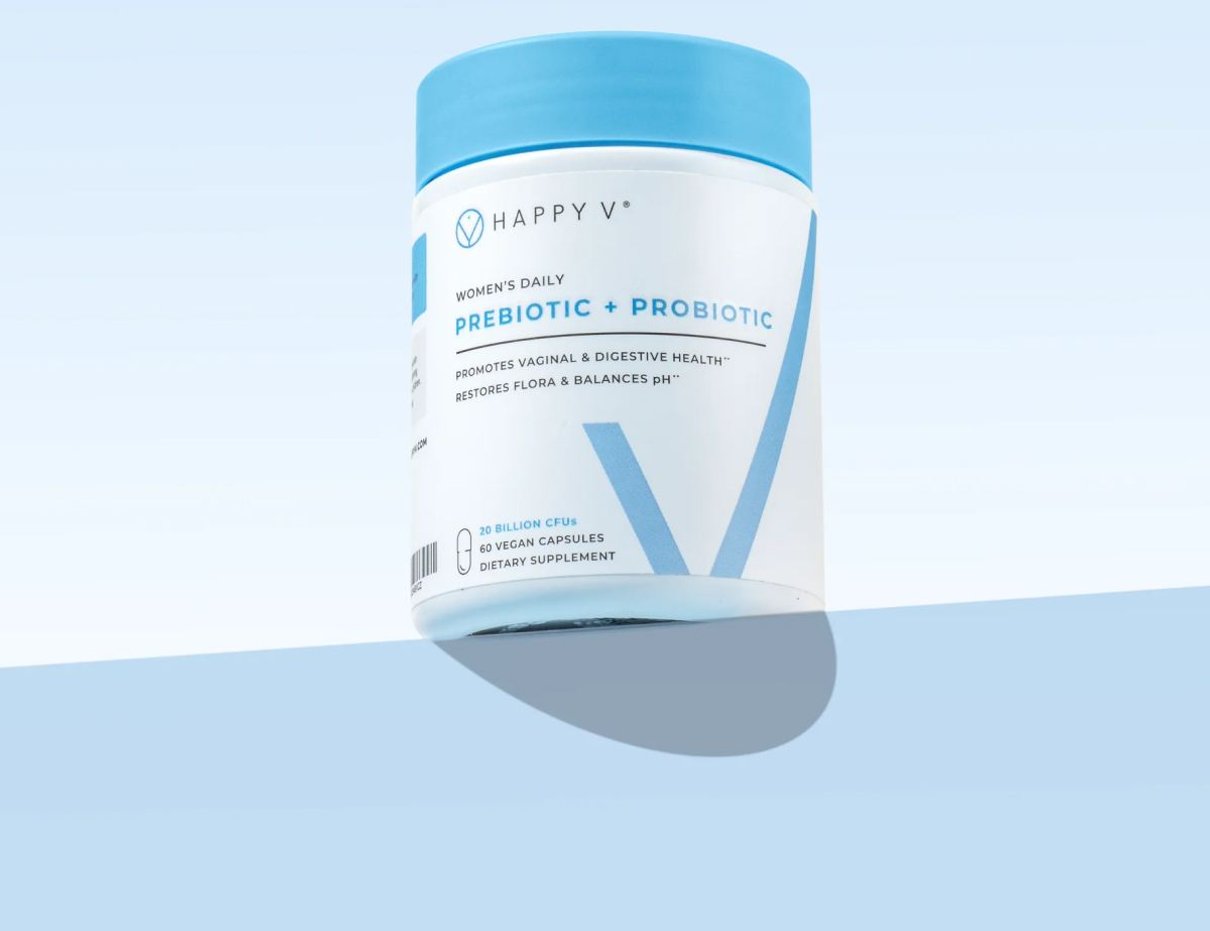
Prebiotic + Probiotic is the most obvious entry point, priced at $44.99. The bottle-and-capsule format is familiar, and the positioning is broad enough to appeal to someone building a foundational routine. I would not expect overnight changes, and I would check the full strain and serving information before committing. Still, among the products I reviewed, it has the clearest everyday use case. The site also presents a subscription price, which may help regular users, although subscribing only makes sense once the product has earned a place in your routine.
- Prebiotic + Probiotic: best fit for a simple daily gut and vaginal-health routine.
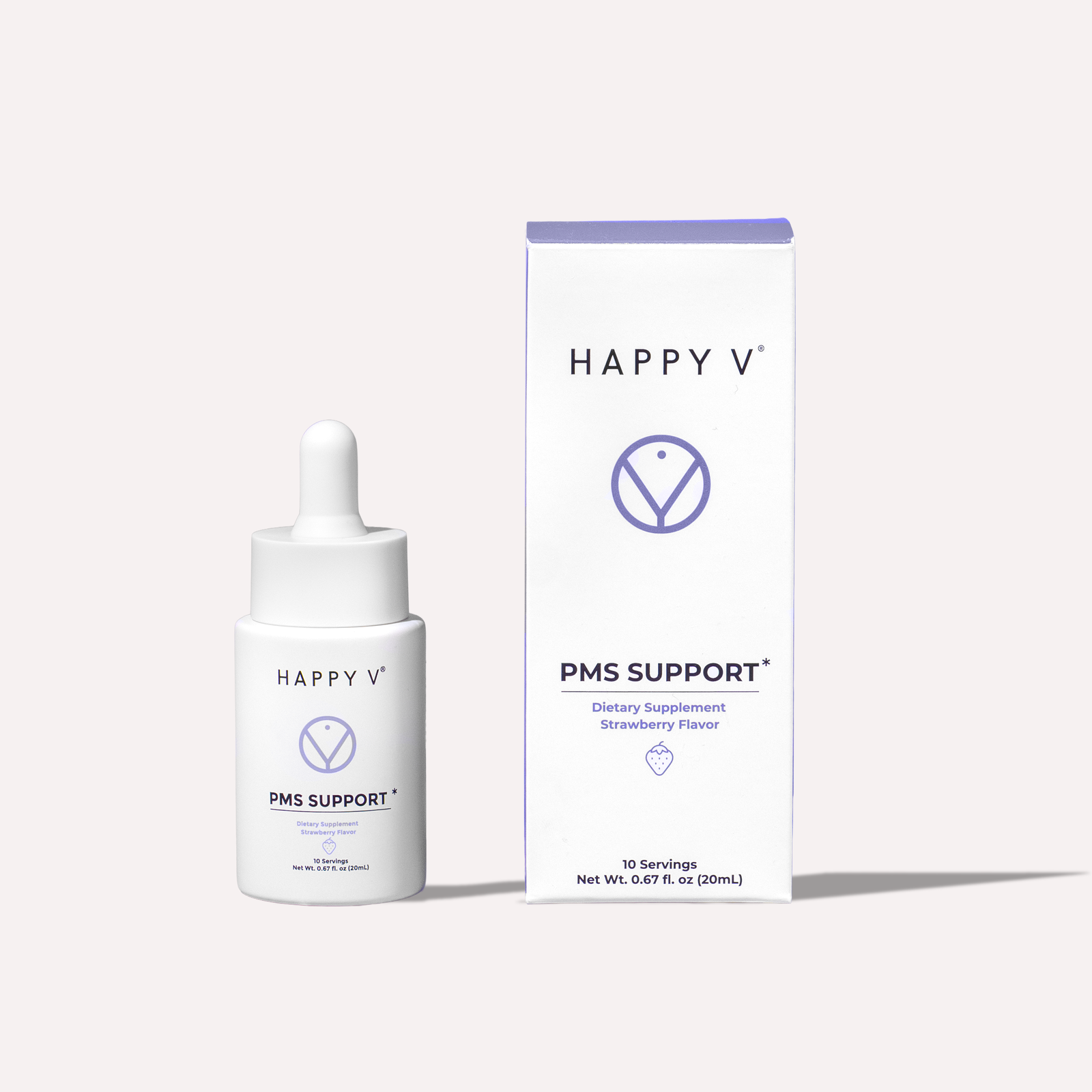
- Debloat + Digest: the more targeted option for digestion-focused shoppers.
- PMS Support: a strawberry-flavoured liquid format with 10 servings.
Debloat + Digest costs $39.99 and is designed for people who want support around bloating, constipation and nutrient absorption. This is a useful distinction from the probiotic, but it is also where I would moderate expectations. Digestive symptoms have many causes, and a supplement cannot diagnose the cause. I like the product as a clearly framed experiment for a specific routine, not as a blanket promise. If your symptoms are persistent or painful, speak to a clinician instead of escalating the shopping basket. You can also compare the current Debloat + Digest details before deciding.
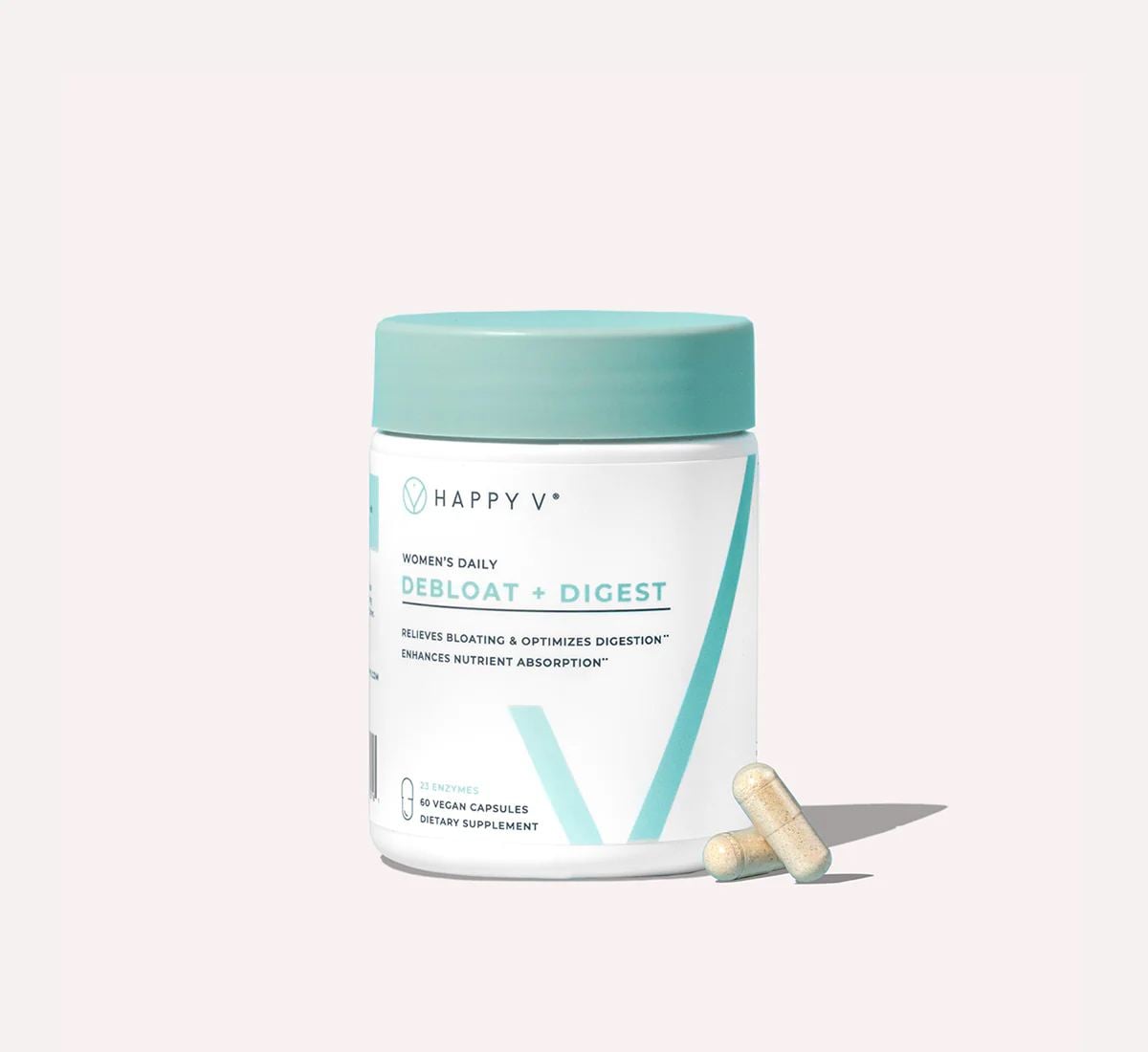
PMS Support is listed at $29.99. The small bottle and box show a 10-serving, strawberry-flavoured dietary supplement, with the brand describing it as support for cramps, mood and energy during the cycle. That is a more defined proposition than a vague “balance” product. The short serving count is both a pro and a con: it may be convenient for occasional use, but it makes the cost-per-month question more noticeable.
Where the brand earns trust
The strongest trust signals are practical. Clean formulas, visible product purposes, free returns and a wide selection mean shoppers are not forced into one giant bundle. The brand also links to a learning centre, FAQs and reviews, which is the kind of supporting information I want around intimate-care products. I would still read the ingredient panel and check with a pharmacist if you are pregnant, managing a condition, or taking medication.
- Good range architecture: products are grouped by vaginal, gut, urinary and hormone goals.
- Accessible formats: capsules, liquid servings and kits cover different routine preferences.
- Useful purchase flexibility: one-off buying sits alongside subscription savings.
- Important caveat: marketing language is not the same as clinical proof for your individual symptoms.
The drawbacks I would not ignore
The first drawback is decision fatigue. A shopper can move from a single bottle to a multi-product kit very quickly, and the total can become substantial. More products is not automatically more care. Start with one clearly relevant item, track how you feel, and only then consider adding another. The second is that several benefits are necessarily personal and gradual, so the polished presentation can make the outcome seem more certain than it is.
I also noticed that some prices are easiest to understand once you separate one-time purchase from subscription. That is normal ecommerce practice, but it deserves attention. Check the serving count, renewal terms, shipping and return policy before placing a recurring order. If you are curious about the softer, non-supplement side of the brand, the Premium Gua Sha is listed at $29.99 and comes with a stainless-steel tool and leather sleeve. It is a nice self-care extra, but it is not evidence for the supplement claims.

My final buying checklist
Before ordering, I would keep the decision deliberately boring. That is usually how a wellness purchase becomes useful rather than aspirational.
- Name the specific concern you want to support.
- Read ingredients, servings and warnings, not just the headline benefit.
- Choose one product before considering a bundle.
- Review subscription and return terms at checkout.
- Get medical advice for pain, unusual discharge, fever or persistent symptoms.
So, is Happy V worth considering? Yes, with a measured approach. The range is more thoughtfully organised than the average wellness storefront, and the products I reviewed have clear use cases and visible prices. My favourites are the Prebiotic + Probiotic for a straightforward foundation and PMS Support for a more specific cycle-related format. I would treat Debloat + Digest as a targeted trial, not a cure-all, and I would skip the subscription until I knew I could feel a genuine routine benefit.
That is the honest verdict: attractive presentation, sensible range structure and useful choice, balanced by the familiar supplement reality that results vary and strong claims deserve careful reading. If the product matches your actual need, the Happy V collection is easy to browse. If not, no amount of bundle packaging should persuade you otherwise.
Happy V is a credible, well-organised starting point for targeted women’s wellness, provided you shop for one evidence-aware need at a time.

